

Fluid and Electrolytes

FREE FLUID & ELECTROLYTES NCLEX® PRACTICE QUESTIONS
Take Free NCLEX Nursing Practice Questions From NURSING.com on fluid and electrolytes Nursing Topics to Get You Ready for the NCLEX® Exam, Just Select A Topic Below. All questions written by trained nurse educators.

Fluid Balance NCLEX® Question
Electrolytes NCLEX® Questions (Primary Electrolytes)
Want 6,000+ NCLEX® Style Practice Questions?
Join NURSING.com today for thousands of practice questions and NCLEX® simulation
💬 Reviews for NURSING.com
(from students like you)


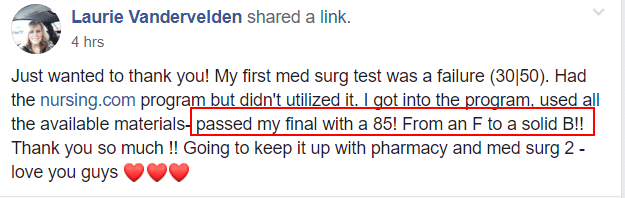


FLUID AND ELECTROLYTE NCLEX QUESTIONS
NCLEX Questions On Fluid and electrolytes: can be very Challenging to answer . . .
. . . Because It Includes Topics Like
practice questions
imbalance
rationale
medsurg
- Imbalanaces
- Pediatrics
- Potassium
- Sodium
- Fluid Shifts
- and more . . .
5 Tips for answering Fluid and electrolyte NCLEX questions
1. Master Your Basics:
Before tackling fluid and electrolyte questions, ensure you have a solid understanding of the fundamentals. Review key concepts (and take practice questions) like osmosis, diffusion, active transport, and the role of different electrolytes in the body, such as sodium, potassium, calcium, and magnesium. Understanding these principles will be the foundation for your success.
2. Identify the Imbalance:
When presented with a fluid and electrolyte question, first identify the type of imbalance indicated. Is it hyponatremia (low sodium), hyperkalemia (high potassium), or another electrolyte issue? Knowing the specific imbalance is crucial for selecting the right intervention.
3. Assess for Clinical Manifestations:
Pay close attention to the patient's symptoms and vital signs mentioned in the question. Different electrolyte imbalances present with distinct clinical manifestations. For example, hyperkalemia can lead to ECG changes, while hyponatremia may cause confusion and muscle cramps. These cues will guide your answer selection.
4. Prioritize Safety and Urgency:
Fluid and electrolyte imbalances can be life-threatening. When choosing an intervention, prioritize actions that address the most critical issues first. For instance, if a patient is experiencing severe dehydration with hypotension and tachycardia, administering intravenous fluids to improve circulation takes precedence over addressing electrolyte imbalances.
5. Review Electrolyte Sources:
Understand where electrolytes are primarily regulated and exchanged in the body. For example, potassium is mainly regulated in the kidneys, while sodium is regulated by the kidneys and influenced by dietary intake. This knowledge will help you identify appropriate interventions, such as potassium supplements or adjusting sodium intake.
Here's an example NCLEX practice question focusing on Med-Surg Fluid and Electrolytes:
A patient with a sodium level of 120 mEq/L presents with confusion, seizures, and muscle cramps. What should the nurse prioritize in the care of this patient?
A) Administer IV normal saline.
B) Administer IV potassium supplement.
C) Encourage a low-sodium diet.
D) Administer IV calcium gluconate.
Answer and Rationale:
The patient's low sodium level (hyponatremia) is causing neurological symptoms, making this an urgent situation. To address this, the nurse should prioritize administering IV normal saline (Option A) to raise the sodium level. Hyponatremia can lead to cerebral edema and seizures, so prompt correction is crucial.
Administering IV potassium (Option B) is not appropriate in this scenario as it may exacerbate the hyponatremia. Encouraging a low-sodium diet (Option C) is a long-term preventive measure but not an immediate intervention. Administering IV calcium gluconate (Option D) is unrelated to the patient's sodium imbalance.
By focusing on these fluid and electrolyte-specific tips, you'll be better equipped to approach NCLEX practice questions in this area confidently and accurately. Remember, practice and a solid grasp of the fundamentals are key to success.
Dive Deeper Into F&E
As you dive deeper into the world of nursing and start tackling those fluid and electrolyte NCLEX questions, you might find yourself in a surprising situation – actually enjoying them! Yes, you read that right. Fluid and electrolyte questions, initially perceived as daunting, can turn into fascinating puzzles that unlock the secrets of the human body.


You Are the Detective
Picture this: you're the healthcare detective, and the clues are hidden in the intricate dance of ions and fluids within the body. Understanding the delicate balance of electrolytes, like sodium, potassium, calcium, and magnesium, becomes your superpower.
Now, why is this newfound appreciation for fluid and electrolytes so important? Well, it's because these tiny ions and the fluids they travel in play a starring role in the grand theater of human health. Think of the heart, that remarkable organ. It's not just a muscular pump; it's a symphony conductor for life itself. When you grasp how electrolytes influence heart function, you're not just answering questions – you're unlocking the very rhythm of existence.
Fluid and electrolyte knowledge isn't just about acing an exam; it's about being a skilled healthcare provider. You see, the heart isn't just crucial for love songs and romance; it's the driving force behind countless disease processes. From heart failure to arrhythmias, from dehydration to kidney diseases – fluid and electrolyte imbalances are often at the heart of these issues.
So, when you answer those fluid and electrolyte NCLEX questions, you're not just checking off a box on your way to becoming a nurse. You're gaining insight into the profound mechanisms that sustain life. You're acquiring the expertise to save lives and make a difference in the healthcare world. And trust me, that's something to truly enjoy and be proud of on your journey through nursing school.