

FREE HEMATOLOGY, ONCOLOGY and IMMUNOLOGY NCLEX® PRACTICE QUESTIONS
Take Free NCLEX Nursing Practice Questions From NURSING.com on hematology, oncology and immunology Nursing Topics to Get You Ready for the NCLEX® Exam, Just Select A Topic Below. All questions written by trained nurse educators.

Oncologic (Cancer) Disorders NCLEX® Questions
Immunologic Disorders NCLEX® Questions
Want 6,000+ NCLEX® Style Practice Questions?
Join NURSING.com today for thousands of practice questions and NCLEX® simulation
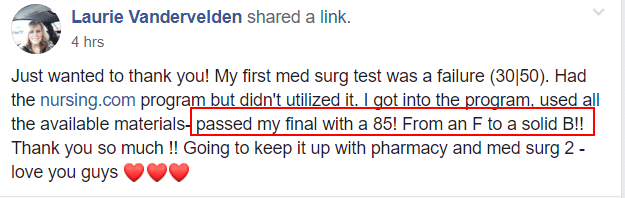
💬 Reviews for NURSING.com
(from students like you)




HEMATOLOGY, ONCOLOGY (Cancer) and IMMUNOLOGY NCLEX® PRACTICE QUESTIONS
NCLEX Questions On Hematology, Oncology, and Immunology: can be very Challenging to answer . . .
. . . Because It Includes Topics Like
- Immunologic Disorders
- Oncology (Cancer)
- Hematology Disorders
- and more . . .
5 Tips for answering HemOnc and Immunology NCLEX questions
1. **Embrace the Power of Basics:**
Start your journey through the intricate world of hematology, oncology, and immunology by firmly grasping the fundamental concepts. This includes understanding how blood components function, the mechanisms behind cancer development, and the critical role of the immune system in maintaining health. A solid foundation will serve as your compass when navigating complex questions.
2. **Decipher the Disease Process:**
When facing NCLEX questions, the first step is to decipher the underlying disease process. Pay close attention to the patient's symptoms, laboratory results, and diagnostic findings. This will allow you to accurately identify the specific hematological, oncological, or immunological issue at hand.
3. **Holistic Care is Key:**
Remember that nursing care extends far beyond treating the disease itself. In the realms of hematology, oncology, and immunology, patients often face multifaceted challenges. Be attuned to their emotional and psychosocial needs, offering support and guidance that encompasses their physical and emotional well-being.
4. **Become a Medication Maven:**
Develop a comprehensive understanding of common medications and treatment modalities used in these fields. This includes knowing the mechanisms of action, potential side effects, and nursing considerations for each. Armed with this knowledge, you can confidently choose appropriate interventions and educate patients about their treatments.
5. **Stay Informed About Immunologic Disorders:**
Immunology is a dynamic field with continuous advancements. Stay updated on the latest trends and emerging therapies related to immunologic disorders. Being aware of recent breakthroughs can prove invaluable when tackling questions concerning cutting-edge treatments or novel management strategies.
Let's illustrate these tips with a sample NCLEX question:
**NCLEX Practice Question with Answer (rationale):**
A patient diagnosed with stage III Hodgkin's lymphoma experiences night sweats, unexplained weight loss, and painless swelling of the cervical lymph nodes. The healthcare provider orders a lymph node biopsy. What should the nurse prioritize before the procedure?
A) Administer a dose of chemotherapy.
B) Assess the patient for signs of infection.
C) Provide emotional support and education.
D) Prepare the patient for radiation therapy.
**Answer and Rationale:**
In this scenario, the patient's presentation strongly suggests Hodgkin's lymphoma, which requires a definitive diagnosis through a lymph node biopsy. The priority nursing action before the procedure is to assess the patient for signs of infection (Option B). Lymph node biopsy carries a risk of infection, especially when the immune system may already be compromised due to cancer.
While chemotherapy (Option A), emotional support and education (Option C), and radiation therapy (Option D) are all essential components of cancer care, ensuring the patient's safety by identifying and managing potential infections takes precedence in this specific situation.
Build a strong foundation
Imagine yourself on this incredible journey through the world of nursing, where you encounter the profound realm of oncology (cancer), hematology, and immunology. Initially, these topics might appear as intricate as untangling a web of fine threads.
However, as you delve deeper into them, you'll discover something truly astonishing - the profound impact of understanding cancer's intricate complexities.


Apply Critical Thinking
Now, here's a secret that experienced nursing students willingly share: once you become comfortable with answering cancer, hematology, and immunology NCLEX questions, you might not only cope with them but genuinely enjoy the challenge. Yes, you read that right! These subjects, often seen as formidable hurdles, can become your intellectual playground.
As you navigate the intricate landscape of cancer, hematology, and immunology, you're not merely preparing for an exam; you're embarking on a journey that will profoundly shape your nursing practice. Cancer is more than just a word to study; it's the key to understanding and managing a plethora of disease processes that affect countless lives.
From the various types of cancer in oncology to the intricate mechanisms of chemotherapy, and from immune responses against cancer cells in immunology to the world of autoimmune disorders linked to cancer, you're gaining knowledge that will make you an indispensable healthcare provider in the battle against this relentless adversary.
So, fellow nursing students, embrace the challenge of cancer, hematology, and immunology. Dive into the depths of these subjects, for within them lies the wisdom that will guide you throughout your nursing career. You're not just answering questions; you're exploring the profound impact of cancer and the resilience of the human spirit, and that's a journey worth treasuring."