







Lesson plans contain all that you need to help your students find success in learning these difficult to understand nursing topics.
By the end of the lesson, nursing students will adeptly grasp the essentials of heart failure, recognizing it as pump failure due to factors like MI, hypertension, and valve disorders. They'll comprehend diagnostic methods, including ...
By the end of the lesson, the nursing student will be able to interpret arterial blood gases (ABGs), demonstrating a comprehensive understanding of acid-base imbalances, oxygenation status, and related issues. They will assimilate the ...
By the end of the lesson, the nursing student will decipher the complexities of EKG waveforms, breaking down the P wave (atrial depolarization), QRS complex (ventricular depolarization), T wave (ventricular repolarization), and ST segment...
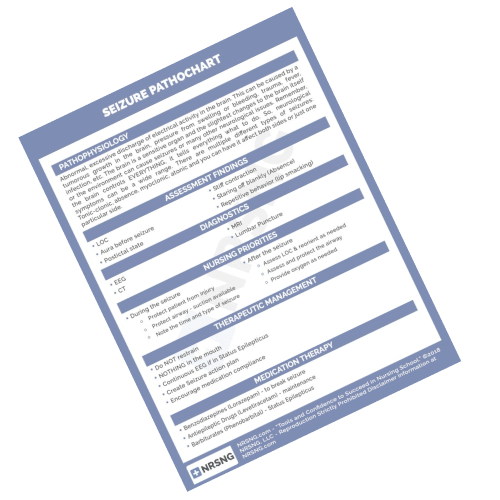
By the end of the lesson, the nursing student will adeptly understand the pathophysiology of seizures, recognizing abnormal electrical activity in the brain as the root cause. The lesson's top priorities, emphasizing safety, airway protection...
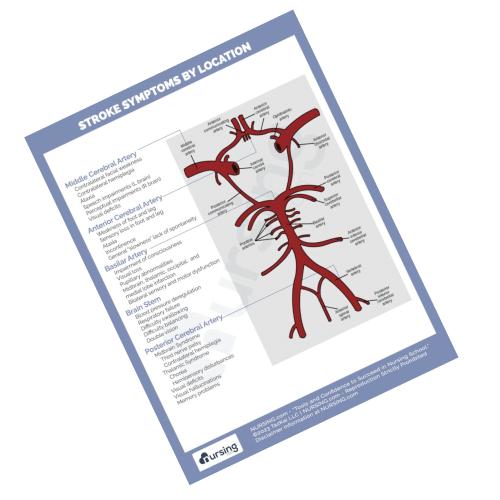
By the end of the lesson, the nursing student will comprehend the pathophysiology of hemorrhagic strokes, recognizing how bleeding in or around the brain, often due to a ruptured vessel, is exacerbated by factors such as hypertension and aneurysm rupture...
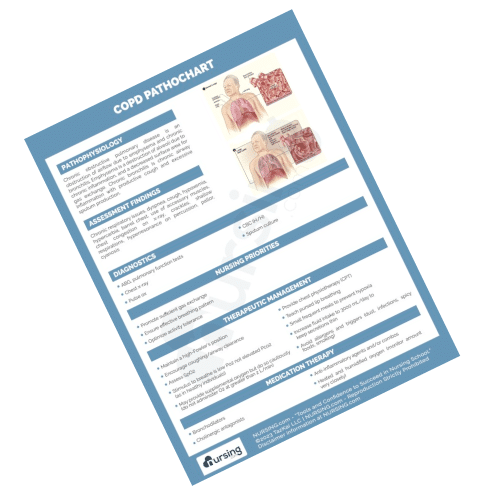
By the end of the lesson, the nursing student will be able to comprehend the intricacies of Chronic Obstructive Pulmonary Disease (COPD), encompassing emphysema and chronic bronchitis. They will understand the pathophysiology, recognizing that in a healthy individual...
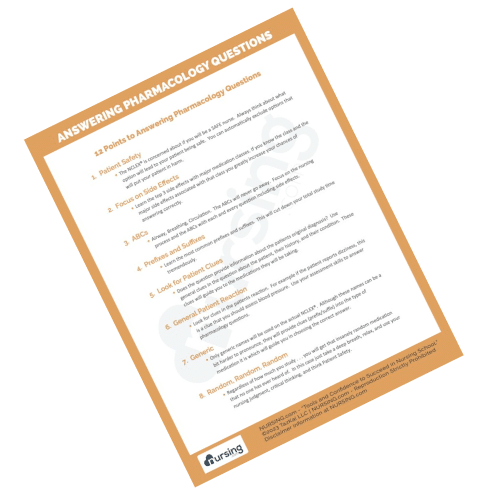
By the end of the lesson, the nursing student will demonstrate an understanding of medication side effects across major classes, enhancing their ability to identify potential adverse reactions. Incorporating knowledge of prefixes and suffixes...
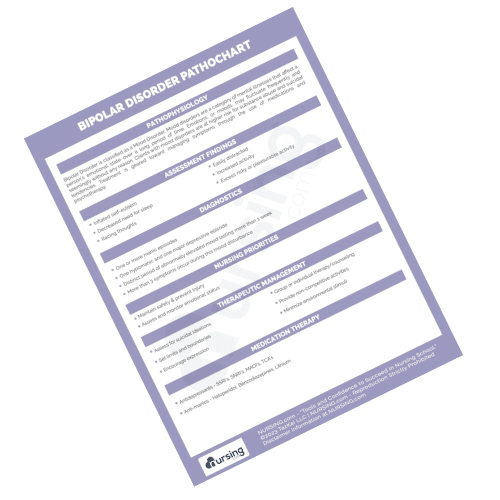
By the end of the lesson, the nursing student will be able to understand and apply essential concepts related to mood disorders, particularly bipolar disorder and depressive disorders. The lesson will cover the assessment of bipolar disorder, distinguishing between manic and depressive...
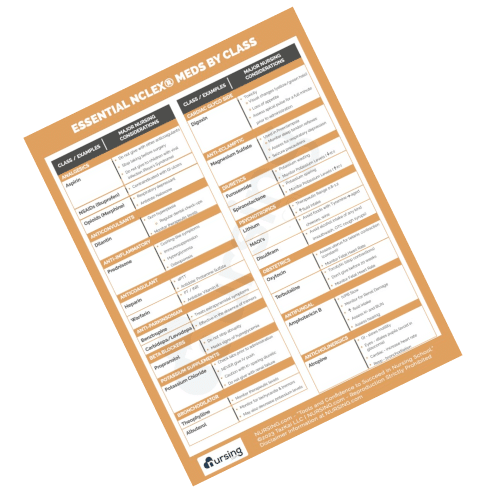
By the end of the lesson, the nursing student will be able to identify and understand key medications commonly encountered on the NCLEX, focusing on Analgesics, Anticonvulsants, Anti-inflammatory/Steroids, Anticoagulants, Anti-Parkinsonian drugs...
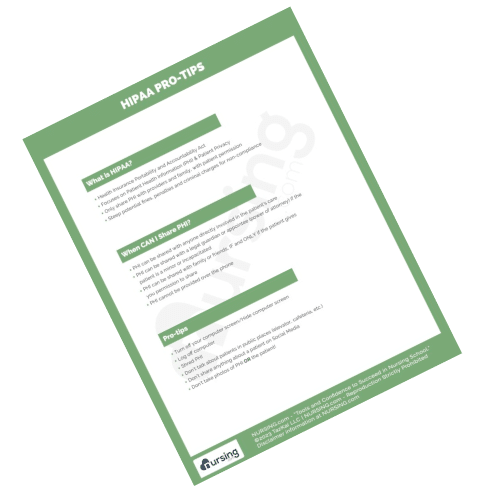
In this lesson, nursing students will delve into the core aspects of HIPAA, unraveling the Health Insurance Portability and Accountability Act's significance in safeguarding patient health information. The focus extends to understanding...
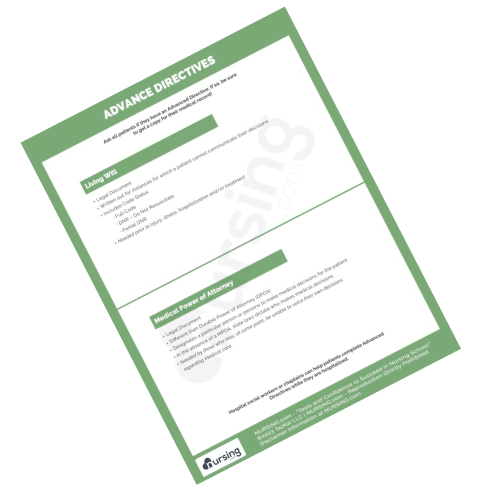
Understand and articulate the significance of Advance Directives, including Living Wills and Medical Power of Attorney, in the realm of patient care and advocacy. This involves recognizing these legal documents as crucial ...
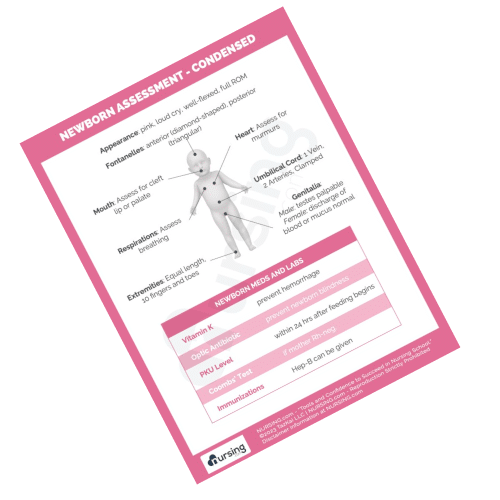
By the end of the lesson, the nursing student will be able to comprehensively understand the importance of immediate skin-to-skin contact after an infant is delivered. This includes the crucial role it plays in stabilizing vital...

Create engaging, evidence-based case studies in seconds – tailored for nurse educators to inspire critical thinking and clinical excellence . . . with ONE CLICK.

Welcome to the Happy Nurse Educator Podcast with Jon Haws and Abby Rose from NURSING.com where we take nurse educators from discouraged and stressed to motivated and passionate.
91,938 nursing students every year are rejected from nursing schools in part due to a lack of faculty.
Think about that.
That's a 100,000 nearly nursing students that are being kept away from this journey of becoming a nurse, entering the hospital floor, and helping with this growing population of patients.
All because of a lack of nursing school faculty, not only that but it gets worse.
Nursing schools experience an 11.8% faculty attrition rate, 11.8% of nursing school faculty are leaving that profession every single year.
Not only are students failed in this traditional system, but this also means faculty are being failed.
You are overworked and lack resources and you're underpaid and some of you may even be new to this phase of your career, this side of nursing and that gets discouraging as well.
Let us take some of that burden off your shoulders.
NURSING.com includes a full curriculum suite developed by experienced nurse educators based on the most current evidenced based practice. Classroom implementation is as simple as the click of a mouse.

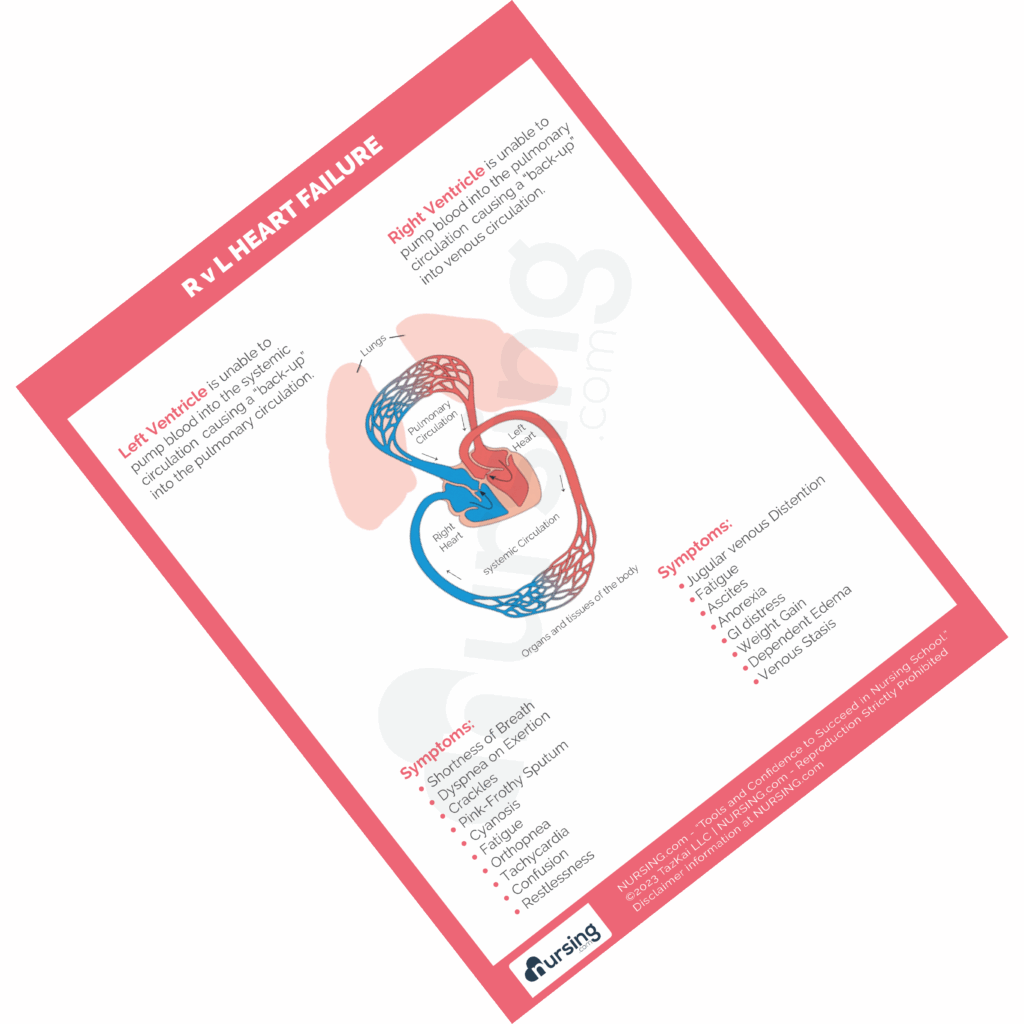
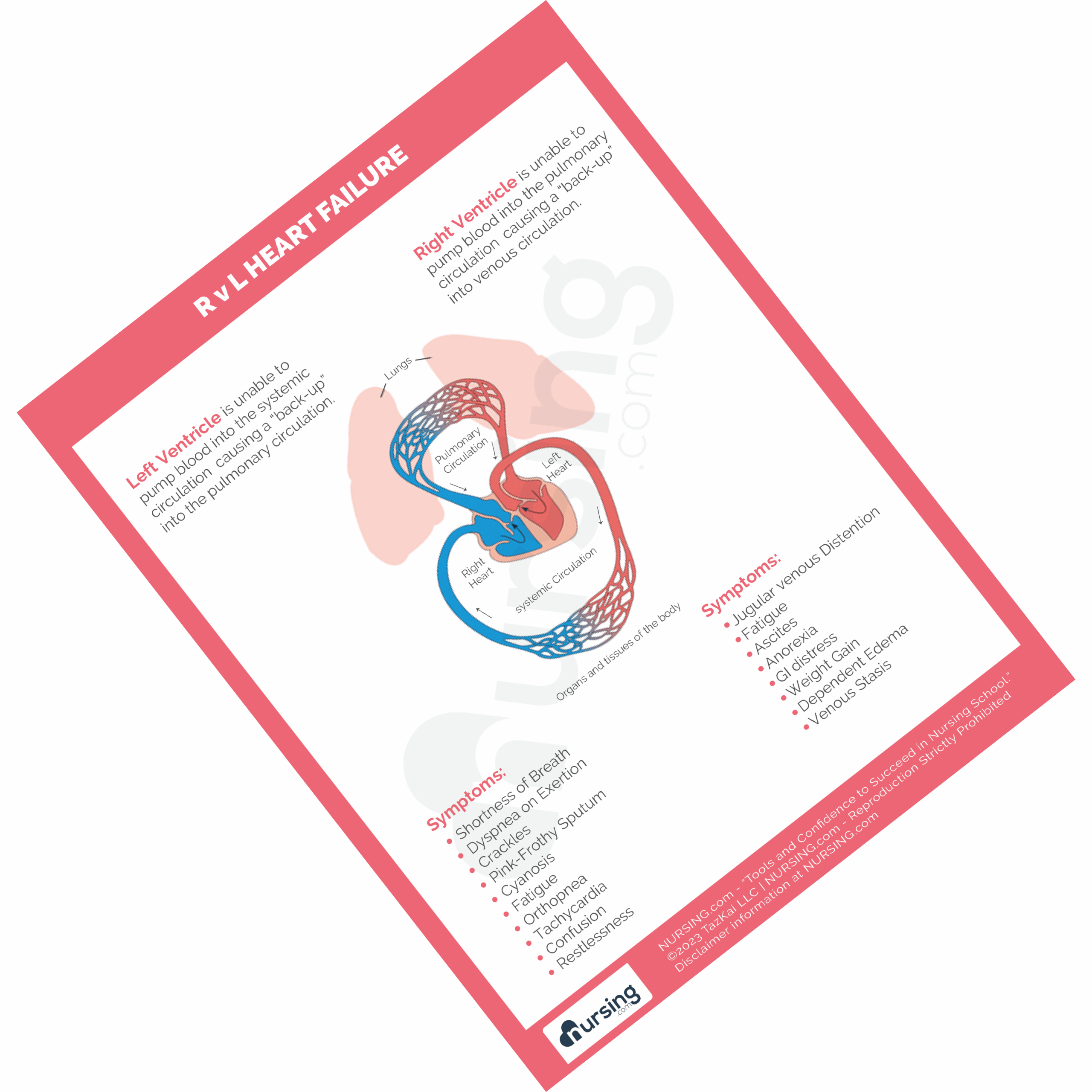
By the end of the lesson, nursing students will adeptly grasp the essentials of heart failure, recognizing it as pump failure due to factors like MI, hypertension, and valve disorders. They'll comprehend diagnostic methods, including BNP, chest X-rays, and echocardiograms. Clinical signs, like peripheral edema and jugular venous distention, will be dissected for practical application in patient care.
In addition, students will gain insights into the correlation between heart failure and decreased oxygenation, activity intolerance, weight gain, and nausea. Em- phasizing the real-world impact, this lesson aims for that "aha" moment, ensuring students carry a profound understanding of heart failure into clinical practice.
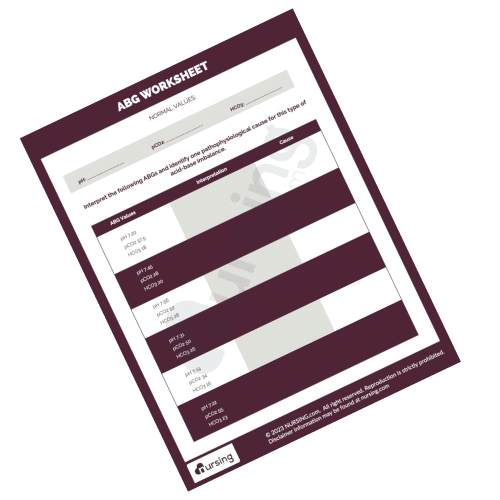
By the end of the lesson, the nursing student will be able to interpret arterial blood gases (ABGs), demonstrating a comprehensive understanding of acid-base imbalances, oxygenation status, and related issues. They will assimilate the three-step approach to identify acidosis, alkalosis, or normal values for CO2 and HCO3, determining respiratory or metabolic sources, and evaluating compensation.
Additionally, the nursing student will proficiently assess oxygenation status, recognizing hypoxia, hypoxemia, and low saturation, while also discerning other ABG-related concerns such as elevated lactic acid and base deficit. This lesson objective empowers the nursing student to navigate ABGs with confidence, integrating physiological principles into clinical interpretation and decision-making.
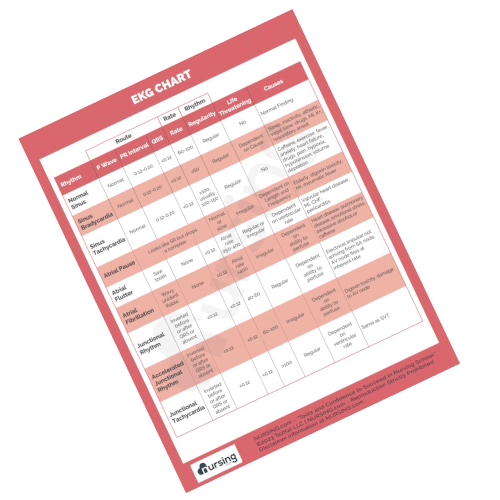
By the end of the lesson, the nursing student will decipher the complexities of EKG waveforms, breaking down the P wave (atrial depolarization), QRS complex (ventricular depolarization), T wave (ventricular repolarization), and ST segment. With a grasp on the PR, QRS, and QT intervals, the student will learn to recognize abnormalities like prolonged PR intervals, prolonged QRS complexes, and tall T waves. This newfound skill set extends to practical applications such as assessing abnormal waveforms, checking pulses in response to irregularities, and understanding therapeutic management principles in relation to EKG findings.
Moreover, the nursing student will delve into the realm of EKG rhythms, establishing a foundational understanding that goes beyond mere identification to encompass the ability to recognize and report abnormal waveforms effectively. The lesson's objective is to empower the student not just with theoretical knowledge but with the practical skills needed for nuanced EKG interpretation and application in clinical settings.
By the end of the lesson, the nursing student will adeptly understand the pathophysiology of seizures, recognizing abnormal electrical activity in the brain as the root cause. The lesson's top priorities, emphasizing safety, airway protection, and medication compliance, will equip the student to prioritize patient well-being.
In the before phase, students will learn the importance of timely medication administration and seizure precautions. During a seizure, they will master maintaining a patent airway, ensuring safety measures, and effectively communicating with the medical team. Postictally, students will comprehend the significance of keeping the patient safe and documenting crucial details. Patient education will focus on medication compliance, seizure care, and empowering families to respond appropriately during episodes.
By the end of the lesson, the nursing student will comprehend the pathophysiology of hemorrhagic strokes, recognizing how bleeding in or around the brain, often due to a ruptured vessel, is exacerbated by factors such as hypertension and aneurysm rupture. They will identify immediate visibility on CT scans and common presentations like the distinctive "worst headache of my life." Additionally, the lesson will empower students to discern risk factors such as hypertension, substance abuse, anticoagulant therapy, and trauma, while understanding complications like seizures and vasospasm due to blood as an irritant to brain tissues.
The goal is to equip students with the knowledge and critical thinking skills necessary for comprehensive nursing care in both acute and preventive contexts.
By the end of the lesson, the nursing student will be able to comprehend the intricacies of Chronic Obstructive Pulmonary Disease (COPD), encompassing emphysema and chronic bronchitis. They will understand the pathophysiology, recognizing that in a healthy individual, elastic air sacs facilitate breathing, contrasting with COPD where inflammation and damage impair elasticity and obstruct airways with mucus.
Nursing points will guide students in assessing characteristic signs, such as a barrel chest and adventitious breath sounds, and comprehending therapeutic management, including the cautious use of oxygen and chest physiotherapy.
The lesson objective is for the nursing student to develop competence in oxygenation, gas exchange monitoring, and providing comfort to COPD patients while integrating patient education on smoking cessation and adaptive breathing techniques.
By the end of the lesson, the nursing student will demonstrate an understanding of medication side effects across major classes, enhancing their ability to identify potential adverse reactions. Incorporating knowledge of prefixes and suffixes, the nursing student will streamline their study approach, recognizing generic medication names on the NCLEX®. With a focus on client clues and medical diagnoses, they will adeptly connect symptoms to appropriate medications, showcasing a holistic understanding of pharmacological principles. By mastering the rationale behind medication administration, the nursing student will exhibit critical thinking, judgment, and prioritize client safety in their responses, preparing them for success in real-world nursing scenarios.
By the end of the lesson, the nursing student will be able to understand and apply essential concepts related to mood disorders, particularly bipolar disorder and depressive disorders. The lesson will cover the assessment of bipolar disorder, distinguishing between manic and depressive states, and understanding the therapeutic management, including medication administration and interventions for manic episodes.
The nursing student will acquire knowledge of key medications like anti-anxiety meds, antipsychotics, and mood stabilizers, with a focus on lithium, emphasizing the importance of regular labs and fluid intake. Furthermore, the lesson will instill competence in implementing interventions during manic episodes, ensuring a safe environment, promoting appropriate behaviors, and recognizing signs of hyperactivity. Throughout the lesson, nursing concepts such as safety, mood affect, coping, and patient education will be interwoven, providing a holistic understanding of managing mood disorders in a clinical setting.
By the end of the lesson, the nursing student will be able to identify and understand key medications commonly encountered on the NCLEX, focusing on Analgesics, Anticonvulsants, Anti-inflammatory/Steroids, Anticoagulants, Anti-Parkinsonian drugs, Beta Blockers, Potassium supplements, Respiratory drugs, Cardiac Glycosides, Antihypertensives, Psychotropic drugs, Maternity drugs, Antifungals, Anticholinergics, Oncology medications, Anti-Gout medications, and Ophthalmic medications (miotics and mydriatics).
Through this lesson, nursing students will acquire knowledge about medication classes, indications, contraindications, and essential nursing considerations. The emphasis will be on recognizing potential side effects, monitoring for complications, and understanding the rationale behind medication administration. This foundational knowledge will empower students to approach NCLEX questions with confidence and ensure safe medication practices in clinical
settings.
In this lesson, nursing students will delve into the core aspects of HIPAA, unraveling the Health Insurance Portability and Accountability Act's significance in safeguarding patient health information. The focus extends to understanding the nuances of patient privacy, emphasizing the "Need to Know" principle. Nursing points will guide students through PHI pitfalls, instructing them on practical measures like turning off computer screens and avoiding public discussions.
Furthermore, the lesson delves into the profound impact of HIPAA violations on various healthcare roles, emphasizing the far-reaching consequences for individuals and institutions. The objective also highlights the integration of nursing concepts such as health policy, ethical and legal practice, professionalism, and patient education. By the end, students will be adept at educating patients on their right to privacy, fostering a foundation for ethical and lawful nursing practice.
Understand and articulate the significance of Advance Directives, including Living Wills and Medical Power of Attorney, in the realm of patient care and advocacy. This involves recognizing these legal documents as crucial tools for honoring patient wishes, ensuring patient advocacy, and navigating decisions related to resuscitation efforts.
Comprehensively grasp the distinctions between Living Wills and Medical Power of Attorney, distinguishing the specific scenarios each addresses. Identify the components of a Living Will, focusing on its role as a legal document outlining patient preferences when communication is impaired. Discern the purpose of a Medical Power of Attorney, recognizing its distinct nature from Durable Power of Attorney, and appreciate its role in designating individuals to make medical decisions for patients when they are unable to do so. Relate the necessity of these directives to specific health conditions, emphasizing their importance for both healthy individuals and those facing potential medical challenges. Recognize the nursing implications in educating patients about advance directives, including the role of chaplains in facilitating these crucial discussions and ensuring proper documentation in healthcare settings.
By the end of the lesson, the nursing student will be able to comprehensively understand the importance of immediate skin-to-skin contact after an infant is delivered. This includes the crucial role it plays in stabilizing vital parameters such as respirations, temperature, blood sugar, and blood pressure, while fostering bonding and facilitating breastfeeding. The lesson will empower the student to perform a thorough assessment of the newborn, employing the APGAR scoring system and conducting a head-to-toe evaluation. The nursing student will gain proficiency in therapeutic management techniques, including proper suctioning with a bulb syringe, promoting the first cry for lung clearance, and maintaining temperature stability through appropriate measures.
The nursing concepts of safety, thermoregulation, clinical judgment, and patient education will be intricately woven into the lesson, ensuring the student comprehends the significance of each aspect in the care of the newborn. Additionally, the lesson will highlight the golden hour, emphasizing the benefits of keeping the mother and baby in skin-to-skin contact for at least an hour, promoting maternal-infant bonding and facilitating the initial breastfeeding experience. This comprehensive understanding will empower the nursing student to deliver safe, patient-centered care to newborns and their mothers.