
Why Use Nursing Mnemonics
From the moment I embarked on my nursing education, I realized that remembering everything was an uphill battle. Picture this: stacks of textbooks, countless flashcards, and endless pages of notes.
Nursing school is an exhilarating journey, but let’s face it, it can also be overwhelming. Are you also feeling overwhelmed by the sheer volume of information you need to remember in nursing school? Trust me, you’re not alone.
It can be incredibly challenging to keep it all in your head.
As I navigated through the vast sea of medical terminology, complex concepts, and intricate procedures, I stumbled upon a lifeline that would forever change my study game:
Nursing Mnemonics!
In this blog post, we’ll explore how nursing mnemonics can be your secret weapon for remembering crucial information. I’ll give you 25 of the most common nursing mnemonics used in nursing school and NCLEX prep.
Before we discover creative memory aids that will make your nursing school journey a whole lot easier and more enjoyable, click below to get a free downloadable nursing mnemonic cheat sheet – take it with you wherever you go!

Nursing Mnemonics Covered in This Blog Post
|
|
|
What is a Nursing Mnemonic
A nursing mnemonic is a memory aid or technique used to assist nursing students in recalling and retaining important information related to various aspects, such as anatomy, pharmacology, procedures, assessments, and more.
Mnemonics typically involve creating acronyms, catchy phrases, visual associations, or other creative devices to simplify complex concepts and make them easier to remember.
How can Nursing Mnemonics Help You on Your Nursing School Exams and The NCLEX?
Here are 5 reasons why nursing mnemonics can be extremely helpful for studying and preparing for nursing school exams and the NCLEX.
- Retention and recall: Mnemonics help improve your ability to remember important information.
- Organization and categorization: Mnemonics can help you organize and categorize large amounts of information.
- Simplification of complex concepts: Nursing mnemonics simplify complex concepts by breaking them down into smaller, more manageable parts.
- Application of critical thinking: Nursing mnemonics often incorporate critical thinking strategies, such as prioritization, assessment, and decision-making.
- The quick reference during exams: Mnemonics offers a quick reference during exams, allowing you to recall information on the spot.
25 Must-Know Nursing Mnemonics to Remember for Nursing School and The NCLEX
Below are 25 of the most commonly used nursing mnemonics for nursing school and the NCLEX.
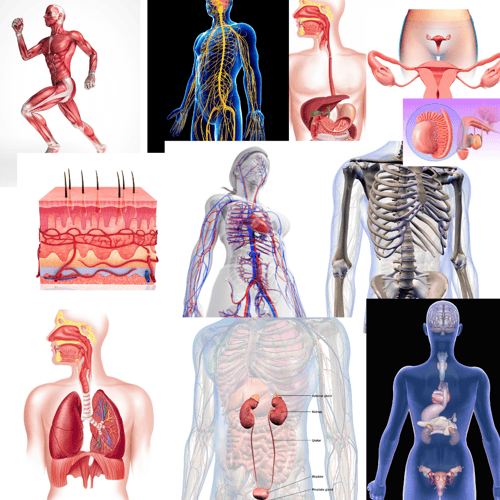
10 Major Body Systems Nursing Mnemonic
This nursing mnemonic will help you remember the 10 major body systems.
MR DICE RUNS
| M | Muscular |
| R | Respiratory |
| D | Digestive |
| I | Integumentary |
| C | Circulatory |
| E | Endocrine |
| R | Reproductive |
| U | Urinary |
| N | Nervous |
| S | Skeletal |
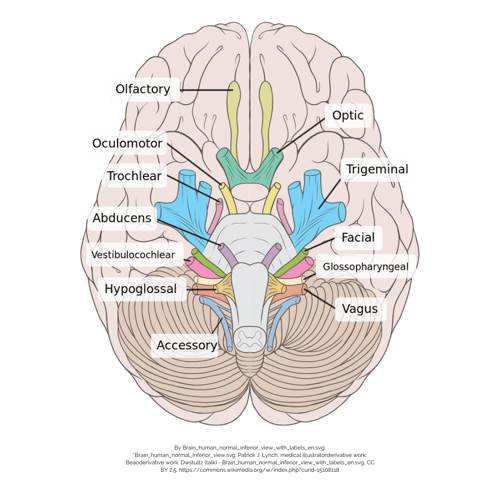
Cranial Nerve Nursing Mnemonic
This nursing mnemonic will help you remember the order of the twelve cranial nerves. Remember the Spinal Accessory nerve (CN XI) can also be called the “Accessory”.
Oh Oh Oh To Touch And Feel Very Good Velvet AH!
| O | Olfactory |
| O | Optic |
| O | Oculomotor |
| T | Trochlear |
| T | Trigeminal |
| A | Abducens |
| F | Facial |
| V | Vestibulocochlear |
| G | Glossopharyngeal |
| V | Vagus |
| A | Accessory |
| H | Hypoglossal |
Description of The Cranial Nerves
The cranial nerves are part of the peripheral nervous system. They extend off the base of the brain, they supply the head, neck, and shoulders.
These nerves could either be sensory – meaning their purpose is to receive signals and bring them to the brain for interpretation. Or motor – meaning they help produce some sort of action. Or they could have both sensory and motor pathways, in which case we call them mixed.
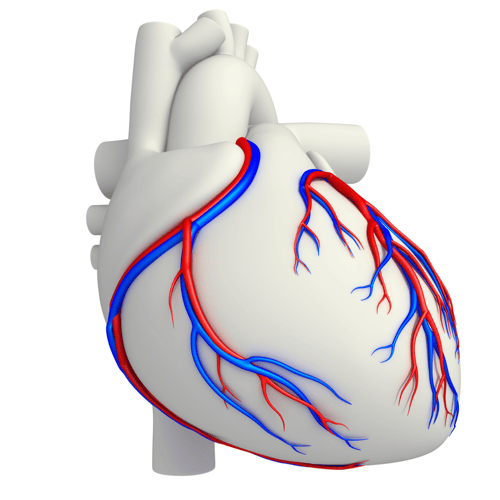
Coronary Arteries – Location Nursing Mnemonic
This nursing mnemonic will help you remember the locations of the different coronary arteries on the right and left sides.
I have a RIGHT to CAMP if you LEFT off the AC
| R | Right |
| C | Coronary |
| A | Artery |
| M | Marginal Artery |
| P | Posterior Intraventricular Artery |
| L | Left |
| A | Anterior Descending Artery |
| C | Circumflex Artery |
Description of Coronary Arteries
Coronary arteries are blood vessels that play a critical role in supplying oxygenated blood to the heart muscle. Understanding their location is essential in comprehending the pathophysiology of various cardiac conditions and their clinical implications.
Post-Partum Assessment Nursing Mnemonic
Make sure to assess the following in patients postpartum:
- Breasts – engorgement
- Uterus -check for bogginess (firming up and dropping to original location)
- Bowel- flatus, bowel movement, frequency
- Bladder – note frequency and amount of urination. The patient may have a catheter, and check for anything unusual like blood or sediment in urine.
- Lochia – normal post-partum vaginal discharge, note color and amount
- Episiotomy-laceration/C-section-incision – check for any signs that the wound is not properly healing.
BUBBLE
| B | Breasts |
| U | Uterus |
| B | Bowels |
| B | Bladder |
| L | Lochia |
| E | Episiotomy-laceration/C-section – incision |
Why do a Post-Partum Assessment
Performing a postpartum assessment is crucial as it allows the nurse to closely monitor the health and well-being of both the mother and newborn following childbirth. This assessment provides an opportunity to evaluate the recovery progress of the mother, assess any potential complications or concerns, and ensure appropriate interventions are implemented.

Trauma – Assessment (Emergency) Nursing Mnemonic
Always remember your ABC and patient safety. Once those have been secured, you can move on to less vital components.
ABCDEFGHI
| A | Airway |
| B | Breathing |
| C | Circulation |
| D | Disability |
| E | Expose / Examine |
| F | Full set of Vitals |
| G | Give Comfort Measures |
| H | Head-to-Toe Assessment |
| I | Inspect Posterior |
Reasons For a Trauma Assessment
Rapid assessment and treatment of the trauma patient is essential to their overall survival. Working through this framework will aid in remembering where to focus your efforts.
%20Nursing%20Mnemonic.png?width=500&height=500&name=Trauma%20%E2%80%93%20Assessment%20(Emergency)%20Nursing%20Mnemonic.png)
Anticholinergics Medication – Side Effects Nursing Mnemonic
Anticholinergic medications are drugs that block the activity of the neurotransmitter acetylcholine. “Anti” means NOT – so these are all the things your patients CAN’T do because of Anticholinergics’ side effects.
4 Can’ts
| CAN’T | See – Blurred Vision |
| CAN’T | Pee – Urinary Retention |
| CAN’T | Spit – Dry Mouth |
| CAN’T | S*** – Constipation |
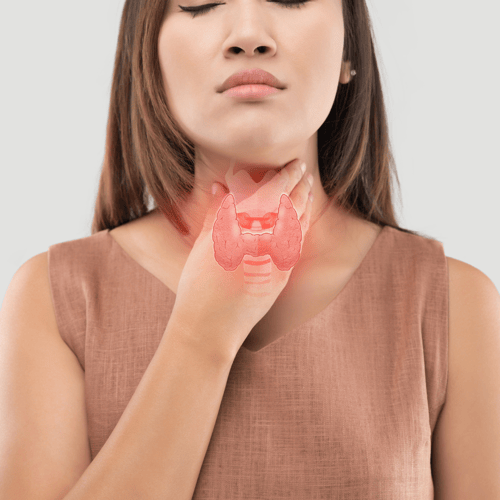
Symptoms of Hypothyroidism Nursing Mnemonic
Hypothyroidism is a condition where the thyroid gland doesn’t produce enough thyroid hormones, resulting in a slower metabolism and various health effects. Here is a nursing mnemonic that will help you remember symptoms.
MOM’S SO TIRED
| M | Memory loss |
| O | Obesity |
| M | Malar flush/Menorrhagia |
| S | Slowness (mentally and physically) |
| S | Skin and hair dryness |
| O | Onset gradual |
| T | Tiredness |
| I | Intolerance to cold |
| R | Really low BP |
| E | Energy levels fall |
| D | Depression/Delayed relaxation of reflexes |
Arterial Blood Gases Nursing Mnemonic
First look at the pH: if it is low it is acidosis, high indicates alkalosis.
Second use the ROME mnemonic to determine if you have respiratory vs. metabolic.
For Metabolic look at HCO3. For Respiratory, look at pCO2.
Metabolic Acidosis – pH Low, HCO3 Low. Metabolic Alkalosis – pH High, HCO3 High. Respiratory Acidosis – pH Low, pCO2 High. Respiratory Alkalosis – pH High, pCO2 Low.
ROME
| R | Respiratory |
| O | Opposite |
| M | Metabolic |
| E | Equal |

Circulatory Checks Nursing Mnemonic
Check for the 5 P’s in every neurovascular check. For example, when the patient has a cast, or had some sort of orthopedic or vascular procedure.
5 P’s
| P | Pain |
| P | Paresthesia |
| P | Paralysis |
| P | Pulse |
| P | Pallor (Paleness) |
Why Circulatory Checks Are So Important
Circulatory checks are crucial because they help assess and ensure adequate blood flow throughout the body. They involve evaluating vital signs, peripheral pulses, capillary refill, and skin color, temperature, and moisture.
%20Nursing%20Mnemonic.png?width=500&height=500&name=Circulatory%20Checks%20(5%20P%E2%80%99s)%20Nursing%20Mnemonic.png)
Steps in the Nursing Process Nursing Mnemonic
These are the steps of the nursing process. Gather information, determine the problem and the best approach. Implement your interventions, and then evaluate! Never skip a step!!
ADPIE (A Delicious PIE)
| A | Assessment |
| D | Diagnosis |
| P | Planning |
| I | Implementation |
| E | Evaluation |
Why The Nursing Process Nursing Is So Important
The nursing process is a systematic framework that guides nursing practice and decision-making. It consists of five interrelated steps: assessment, diagnosis, planning, implementation, and evaluation.
.png?width=500&height=500&name=Steps%20in%20the%20Nursing%20Process%20Nursing%20Mnemonic%20(ADPIE).png)
Trauma Surgery – Medical History Nursing Mnemonic
This is a nursing mnemonic for medical history to be obtained on every trauma patient, especially before they go to surgery.
AMPLE
| A | Allergies |
| M | Medications |
| P | Past Medical History |
| L | Last Meal |
| E | Events Surrounding Injury |
What is Trauma Surgery
Trauma surgery is a specialized surgical field that focuses on the management and treatment of traumatic injuries.
The primary goal of trauma surgery is to stabilize and resuscitate trauma patients, ensuring their vital functions are supported and any life-threatening conditions are promptly addressed.
.png?width=500&height=500&name=Trauma%20Surgery%20%E2%80%93%20Medical%20History%20Nursing%20Mnemonic%20(AMPLE).png)
Hyperkalemia – Signs and Symptoms Nursing Mnemonic
Excess potassium is deadly and can kill a patient – so remember the word “Murder”. This will help you remember the signs and symptoms of hyperkalemia.
MURDER
| M | Muscle weakness |
| U | Urine – Oliguria, Anuria |
| R | Respiratory distress |
| D | Decreased cardiac contractility |
| E | ECG changes |
| R | Reflexes- hyperreflexia, or areflexia (flaccid) |
What is Hyperkalemia
Hyperkalemia is a medical condition characterized by higher levels of potassium in the bloodstream. Potassium is an essential electrolyte that plays a crucial role in maintaining proper functioning of cells. However, when potassium levels become excessively elevated, it can disrupt the normal electrical activity of the heart and other organs.
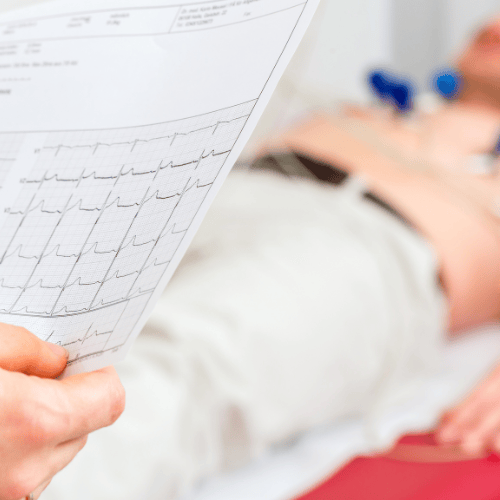
Probable Signs of Pregnancy Nursing Mnemonic
Probable and positive signs and symptoms of pregnancy. These signs indicate a likely pregnancy. Positive signs involve the presence of a heartbeat on ultrasound.
CHOP BUGS
| C | Chadwicks – bluish discoloration of lower uterine segment |
| H | Hegar – softening of lower uterine segment |
| O | Outlining of Fetal Body |
| P | Positive pregnancy test – the presence of gonadotropin in urine |
| B | Ballotement – sinking and rebound of the fetus |
| U | Uterine Enlargement – at 12 weeks gestation felt just above symphysis pubis |
| G | Goodells – Softening of the cervix |
| S | Souffle, Contraction, and Braxton Hicks (painless contraction at 28 weeks) |
Environmental Health Assessment Nursing Mnemonic
Use I PREPARE nursing mnemonic to know what topics to address and assess when determining environmental health risk factors or environmental exposure.
I PREPARE
| I | Investigate potential exposure |
| P | Present work |
| R | Residence |
| E | Environmental concerns |
| P | Past work |
| A | Activities |
| R | Referrals/resources |
| E | Educate |
Heart Murmur Locations Nursing Mnemonic
This nursing mnemonic will help you remember on which phase of heart contraction you would hear a murmur.
hARD ASS MRS. MSD
| hARD | Aortic Regurg = Diastolic |
| ASS | Aortic Stenosis = Systolic |
| MRS. | Mitral Regurg = Systolic |
| MSD | Mitral Stenosis = Diastolic |
What is a Heart Murmur
A heart murmur is an abnormal sound heard during the cardiac cycle. It is often described as a whooshing, swishing, or blowing sound. Heart murmurs can result from various underlying conditions, such as valve abnormalities, structural defects in the heart, or turbulent blood flow within the heart chambers or blood vessels.

Cholinergic Crisis – Signs and Symptoms Nursing Mnemonic
A cholinergic crisis can occur if the body stops properly breaking down Acetylcholine. This can cause overactivity of Acetylcholine at the neuromuscular junction. Acetylcholine is part of Rest & Digest (Parasympathetic) – so we see overactive digestion and secretion.
SLUDGE
| S | Salivation |
| L | Lacrimation |
| U | Urination |
| D | Defecation |
| G | Gastric upset |
| E | Emesis |
Cardiac Valves Blood Flow Nursing Mnemonic
This simple nursing mnemonic helps to remember the order in which blood passes through the four heart valves in sequential order.
Toilet Paper My Ass
| T | Tricuspid |
| P | Pulmonic |
| M | Mitral |
| A | Aortic |
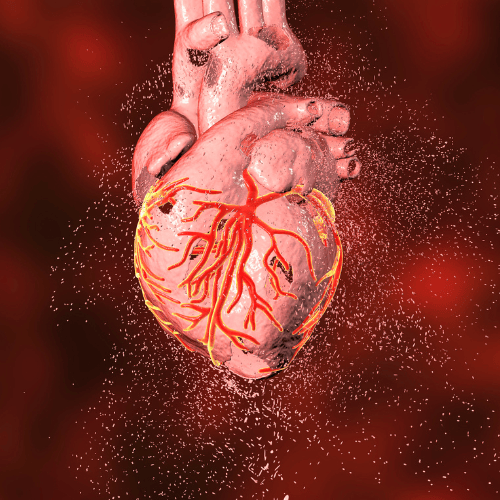
Fetal Distress Interventions Nursing Mnemonic
These interventions should be implemented if a fetus is in distress during induction of labor with uterine stimulants. First things first, STOP the infusion, Mom should be turned to her side, give supplemental O2, Assess mom and baby, and notify the provider.
Stop MOAN
| S | STOP infusion |
| M | Mom turned on the Notify Providerside |
| O | O2 administration |
| A | Assess baby and mom to see if changes occurred |
| N | Notify Provider |
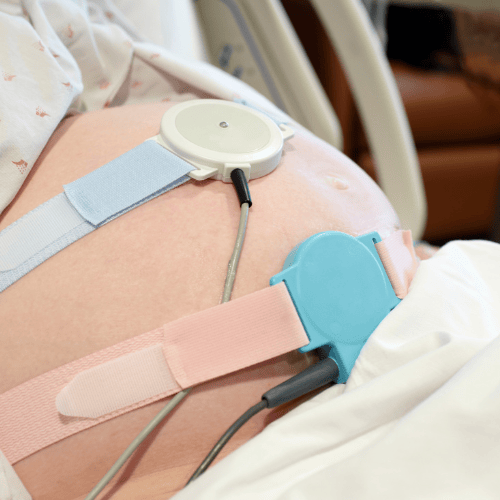
Episiotomy – Evaluation of Healing Nursing Mnemonic
Redness with pain, excess edema, ecchymosis (bruising), or discharge/drainage from the wound can all be signs of problems with healing after an episiotomy. Wound edges should be well approximated. Topical ointments and ice packs may be indicated if there is pain or excess swelling, or other signs of infection.
REEDA
| R | Redness |
| E | Edema |
| E | Ecchymosis |
| D | Discharge, Drainage |
| A | Approximation |

Hypercalcemia – Signs and Symptoms Nursing Mnemonic
The BONES store the most calcium – remember these words that rhyme with BONES to help you remember possible signs and symptoms of hypercalcemia.
GROANS, MOANS, BONES, STONES, OVERTONES
| GROANS | Constipation |
| MOANS | Joint pain |
| BONES | Loss of calcium from bones |
| STONES | Kidney stones |
| OVERTONES | psychiatric overtones (confusion, depression) |
Altered Mental Status Nursing Mnemonic
There are many reasons why a patient may present with altered mental status. Neurological injury is not the only reason for AMS! Make sure you explore all possibilities.
AEIOU TIPS
| A | Alcohol/drugs |
| E | Endocrine |
| I | Insulin |
| O | Overdose |
| U | Uremia |
| T | Trauma |
| I | Infection |
| P | Psychiatric |
| S | Shock |
Addisons Assessment Nursing Mnemonic
Assessment findings of Addison’s Disease – caused by LOW secretion of adrenal hormones – glucocorticoids, mineralocorticoids, and androgens.
STEROID
| S | Sugar and sodium low |
| T | Tired and muscle weakness |
| E | Electrolyte imbalance of high Potassium and high Calcium |
| R | Reproductive change |
| O | lOw blood pressure |
| I | Increased pigmentation of the skin |
| D | Diarrhea and nausea, Depression |
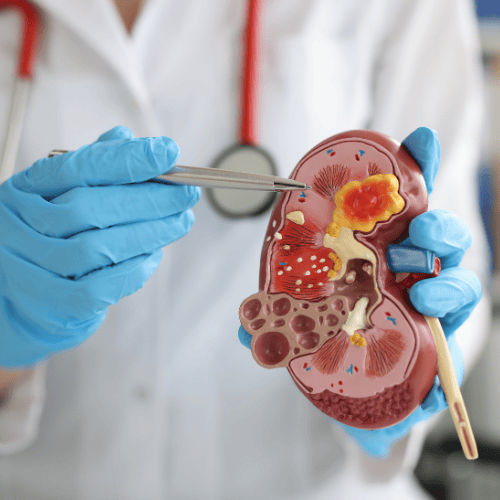
Multiple Sclerosis Symptoms Nursing Mnemonic
Common symptoms associated with multiple sclerosis, a disease that causes demyelination in the central nervous system.
DEMYELINATION
| D | Diploplia |
| E | Eye movement painful |
| M | Motor: weakness and spasticity |
| Y | nYstagmus |
| E | Elevated temperature |
| L | Lhermitte’s phenomenon |
| N | Neuropathic pain |
| A | Ataxia |
| T | Talking slurred |
| I | Impotence |
| O | Overactive bladder |
| N | Numbness |

Heart Sounds Nursing Mnemonic
Aortic and Pulmonic (A&P): 2 words, 2 spaces; these coincide in that they are both in the 2nd intercostal space.
A is immediately to the right of the sternum, and P is immediately to the left of the sternum.
Erb’s point: Erb has 3 letters; you can find this point in the 3rd intercostal space (just to the left of the sternum), also the 3rd space to auscultate Tricuspid: 5th intercostal, just to the left of the sternum.
Tri = 3, this is the fourth place to auscultate in the 5th intercostal space! Mitral: Mit sounds similar to mid. Midclavicular area and straight down just below the nipple line.
APE To Man
| A | Aortic |
| P | Pulmonic |
| E | Erbs points |
| T | Tricuspid |
| M | Mitral |

Appendicitis – Assessment Nursing Mnemonic
Psoas sign for appendicitis pain when a patient extends their thigh while lying on their side with knees extended. It indicates irritation to certain abdominal muscles.
McBurney’s sign is if there is deep tenderness at McBurney’s point, which is located on the right side of the abdomen, one-third the distance from the anterior superior iliac spine to the navel.
PAINS
| P | Pain in the right lower quadrant of the abdomen |
| A | Anorexia-loss of appetite |
| I | Increased temperature, WBC (15,000-20,000) |
| N | Nausea |
| S | Signs (McBurney’s, Psoas) |

Conclusion
Mastering the art of memory tricks, specifically nursing mnemonics, can be a game-changer in your journey through nursing school and the NCLEX. These powerful tools empower you to retain and recall essential information with ease, boosting your confidence and performance.
You Can Do This!
Happy Nursing!