
Understanding Angina is Crucial for the NCLEX Exam
Knowing what angina is for the NCLEX exam is crucial because it is a common cardiovascular condition that nursing students are likely to encounter during their careers as a nurse.
Understanding angina’s symptoms, risk factors, and appropriate interventions is essential for providing safe and effective patient care.
.png?width=1200&height=630&name=nclex%20review%20for%20angina%20(2).png)
On the NCLEX exam, questions related to angina may assess a nursing student’s ability to recognize and prioritize symptoms of angina, identify appropriate interventions for managing chest pain, and understand the importance of patient education for those at risk of or diagnosed with angina.
Angina Overview
Angina is chest pain resulting from inadequate blood flow to the heart muscles. If the flow is not restored, it can lead to further damage.
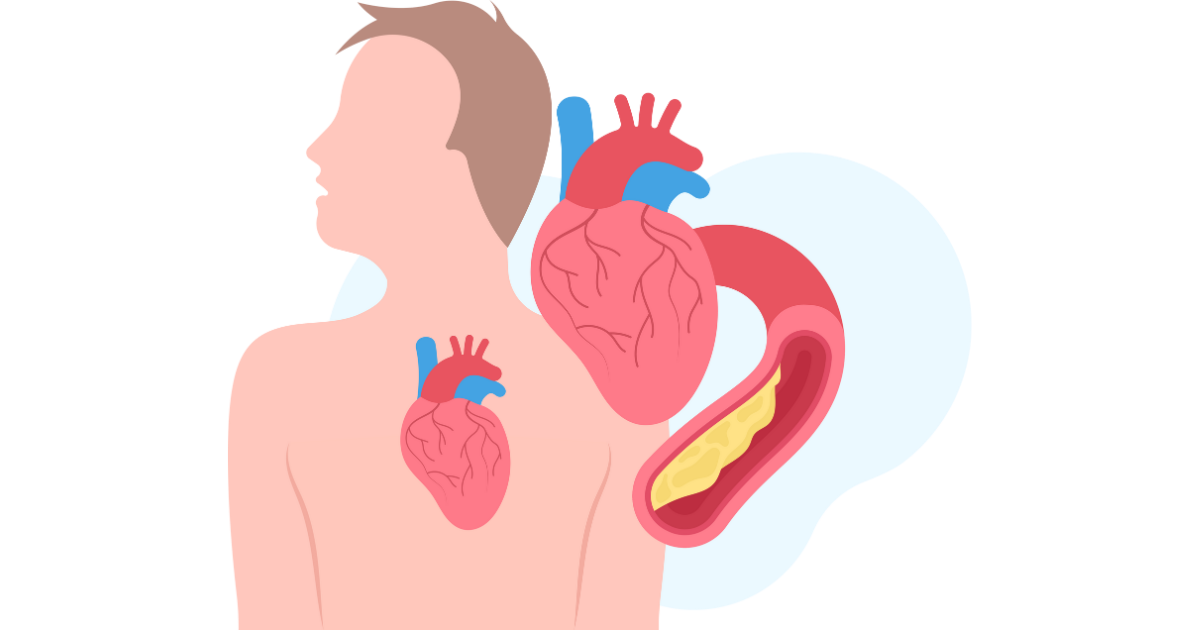
General Information on Angina
Most common cause
- Coronary artery disease (CAD)
- Atherosclerotic plaque ruptures
- Clot forms
- Other causes of Angina
- Anemia
- Heart failure
- Stress/overexertion
- Abnormal rhythms
Types of Angina
-
- Stable – With exertion. Relieved by nitroglycerin
- Unstable – At rest. Lasts longer. Unrelieved by nitroglycerin.
- Variant – Unpredictable.
Desired Outcome for Angina
-
- Restore blood flow, decrease chest pain, and improve activity tolerance.
Nursing Assessment for Angina
- Subjective Data
- Chest pain
- Dyspnea on Exertion
- Objective Data
- Blood pressure
- Hypotension – ↓ cardiac output
- Hypertension – ↑ stress on the heart
- Arrhythmias
- Bradycardias – ↓ cardiac output
- Supraventricular Tachycardia – ↑ stress on the heart
- Atrial Fibrillation – ↑ stress on the heart
- Other
- Syncope
- Pale
- Diaphoretic
- Blood pressure
Therapeutic Management for Angina
- Medication Management (anticipated mediations)
- Thienopyridines (clopidogrel)
- Heparin
- Renin-Angiotensin blockade (ARBS or ACE inhibitors)
- Oxygen
- Morphine (only if indicated by facility)
- Beta Blockers
- Nitrogycerine (per facility policy)
- EKG → Rule out STEMI and monitor arrhythmias
- Monitor vital signs (heart rate, blood pressure, SpO2) for changes
- Cargiac Enzymes → determine myocardial damage
- Cardiac stress test → determine myocardial stress point
- Cluster care → rest to decrease myocardial O2 demands
Nursing Case Study for Angina
Patient Profile:
- Name: John Smith
- Age: 62
- Gender: Male
- Medical History: Hypertension, Hyperlipidemia, Type 2 Diabetes
- Occupation: Retired

Chief Complaint:
John presents to the emergency department with complaints of chest pain that started about 30 minutes ago. He describes the pain as a pressure-like sensation in the center of his chest, radiating to his left arm and jaw. The pain is associated with mild shortness of breath and diaphoresis. He has taken nitroglycerin sublingually, but the pain has not completely resolved.
Assessment Findings:
- Vital signs: Blood pressure 160/90 mmHg, Heart rate 95 bpm, Respiratory rate 20 breaths/min, Oxygen saturation 97% on room air, Temperature 98.6°F (37°C).
- Cardiovascular: Irregular heart sounds, no murmurs or gallops.
- Respiratory: Clear lung sounds bilaterally.
- Skin: Cool and clammy.
- Blood glucose level: 180 mg/dL.
Nursing Interventions:
- Immediate Assessment: Prioritize assessing John’s airway, breathing, and circulation (ABCs). Monitor his oxygen saturation, respiratory rate, and blood pressure frequently.
- ECG Monitoring: Obtain an electrocardiogram (ECG) to evaluate any changes in the cardiac rhythm and ST-segment deviations.
- Oxygen Therapy: Administer supplemental oxygen to maintain oxygen saturation above 94% and alleviate shortness of breath.
- Labs and Testing: Draw blood for cardiac enzyme levels (troponin) and a complete blood count (CBC) to assess for cardiac damage and rule out other potential causes of chest pain.
- Pain Assessment: Utilize a pain scale to assess the severity and quality of John’s chest pain at regular intervals.
Plan of Care:
- Keep John on continuous ECG monitoring.
- Administer oxygen at 2 L/min via nasal cannula to maintain oxygen saturation.
- Administer nitroglycerin sublingually every 5 minutes for a total of three doses, as needed, and reassess chest pain after each dose.
- Administer morphine 2 mg IV as prescribed for chest pain relief.
- Continue to monitor vital signs and pain levels regularly.
- Obtain lab tests as ordered to evaluate cardiac enzyme levels and rule out other causes of chest pain.
- Initiate cardiac telemetry and notify the physician of any significant ECG changes.
- Provide emotional support and reassurance to reduce anxiety.
- Collaborate with the healthcare team to determine further treatment and interventions based on assessment findings and test results.
Outcome:
John’s chest pain subsides significantly after receiving nitroglycerin and morphine. The ECG shows ST-segment depression, indicating myocardial ischemia. Cardiac enzyme levels are elevated, confirming cardiac damage. The healthcare team diagnoses John with unstable angina. He is admitted to the cardiac unit for further management, monitoring, and medication adjustments.
Conclusion and Free Download
This Angina review has equipped you with essential knowledge for tackling the NCLEX with confidence. Understanding the symptoms, interventions, and considerations related to Angina is vital for providing exceptional patient care as a nurse.
Looking for more must-know NCLEX review topics? Download our free eBook, “NCLEX Flash Notes: 77 Must-Know Nursing Topics for the NCLEX,” by simply providing your email address below. I’ll send you a complimentary copy straight to your inbox!
You CAN Do This
Happy Nursing!