Understanding Burn Injuries:
Common Injuries: Burn injuries are a common type of trauma that individuals may experience. Nurses should be knowledgeable about their assessment, classification, and management to provide effective care to patients with burns.
Assessment Skills: Nurses need to accurately assess the severity and extent of burn injuries, including the depth of the burn, percentage of total body surface area (TBSA) affected, and associated complications. This assessment guides treatment decisions and care planning.
Immediate Interventions: Knowledge of burn first aid and initial interventions, such as removing the source of the burn, cooling the burn with running water, and protecting the area, is essential to prevent further injury and promote wound healing.
.png?width=1200&height=630&name=nclex%20review%20for%20angina%20(2).png)
Infection Prevention: Burn wounds are vulnerable to infection. Nurses need to understand infection control practices, wound care techniques, and how to recognize signs of infection in burn patients.
Pain Management: Burn injuries can be excruciatingly painful. Nurses should be skilled in assessing pain levels, administering pain medications, and using non-pharmacological strategies to manage pain.
Fluid Balance: Burn injuries can lead to fluid and electrolyte imbalances due to fluid loss and tissue damage. Nurses need to monitor fluid status, administer intravenous fluids, and recognize signs of dehydration or fluid overload.
Wound Care: Nurses play a crucial role in wound care for burn patients, including dressing changes, wound debridement, and application of topical agents. Understanding the principles of wound healing is important.
Psychosocial Support: Burn injuries can have significant psychological and emotional effects. Nurses should be prepared to provide emotional support, address body image concerns, and facilitate coping strategies.
Rehabilitation: Rehabilitation is an important aspect of burn care. Nurses need to understand the goals of rehabilitation, work with physical and occupational therapists, and support patients’ recovery and reintegration into daily life.
NCLEX Preparation: The NCLEX exam may include questions about burn injuries, their assessment, management, and complications. A solid understanding of this topic is essential for answering these questions accurately.
-1.png?width=740&height=416&name=Burn%20Injuries%20nclex%20review%20(1)-1.png)
Overview on Burn Injuries
Understanding burn injuries equips nursing students to provide safe, compassionate, and patient-centered care to individuals who have experienced burns. It ensures that nursing students are prepared to address the unique challenges and needs of burn patients throughout their recovery journey.
General Information for Burn Injuries
1. Degrees
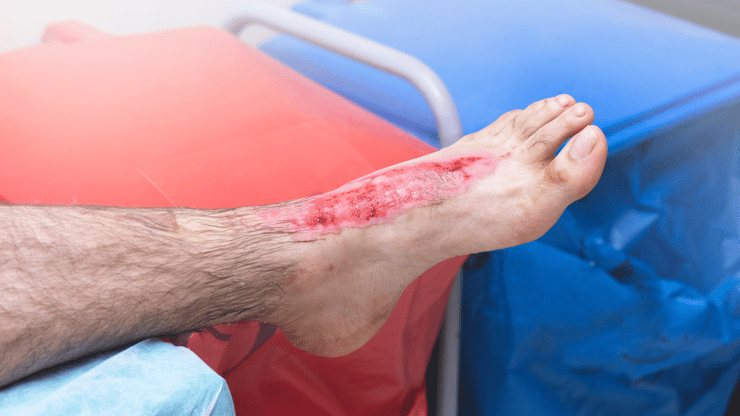
a. First Degree – skin intact, reddened, painful
b. Second Degree – Partial Thickness, broken skin, pain, pink/red, blisters
c. Third Degree – Full Thickness, often painless, white/black eschar
d. Fourth Degree – Muscle and/or bone exposed. Common in electrical burns.
Assessment for Burn Injuries
1. On Arrival to ED/Hospital
a. Determine the total body Surface Area (TBSA) Burned
2.1st and 2nd degree = very painful
3.3rd and 4th may be painless due to nerve damage
4. Impaired temperature regulation
5. Hypovolemia due to third spacing/capillary leak so the client will have ↑ HR, ↓BP
Therapeutic Management for Burn Injuries
1. Fluid Resuscitation
a. Parkland Burn Formula
i. 4 x TBSA (%) x kg
ii. Half over 8 hours
iii. Half over 16 hours
b. Titrate to Urine Output 30-50 mL/hr
c. Assess for edema
2. Administer Antibiotics
3. Aggressive Wound Care
4. Pain Management – typically with opioid
analgesics, PCA if able
5. Optimize Nutrition Intake to promote healing
a. May require NG Tube for feeds or PICC line for
TPN
6. Skin Grafting
a. Autologous – taken from healthy tissue on the
client
b. Allogeneic – another human donor
c. Meshed and stretched over wound
Nursing Case Study for Burn Injuries
Patient Profile:
Michael Johnson, a 35-year-old male, is admitted to the burn unit with severe burn injuries sustained in a house fire. He has full-thickness burns on his face, chest, both arms, and upper back, covering approximately 40% of his total body surface area (TBSA). Michael is in significant pain and visibly distressed.
Assessment:
Upon assessment, Michael’s burns appear pale, dry, and charred. He is in obvious pain, with difficulty moving his arms and shoulders. His vital signs are stable, but he is tachycardic and his blood pressure is slightly elevated.
Interventions:
1. Pain Management:
Collaborate with the healthcare provider to administer appropriate pain medications, including intravenous opioids, to manage Michael’s severe pain.
Utilize non-pharmacological pain management techniques, such as relaxation exercises and guided imagery.
2. Fluid Resuscitation:
Initiate fluid resuscitation according to the Parkland formula to address fluid loss due to the burn injury.
Monitor urine output, vital signs, and laboratory values to ensure adequate fluid balance.
3. Wound Care:
Collaborate with the wound care team to provide meticulous wound care, including cleaning, debridement, and applying appropriate dressings to prevent infection.
Administer tetanus prophylaxis if needed.
4. Infection Prevention:
Maintain strict infection control measures to prevent secondary infections in the burn wounds.
Administer prophylactic antibiotics as prescribed to minimize infection risk.
5. Nutritional Support:
Collaborate with a registered dietitian to provide appropriate nutritional support to promote wound healing.
Administer enteral nutrition if necessary to meet caloric and nutritional needs.
6. Psychological Support:
Offer emotional support to Michael and address his fears, anxieties, and concerns related to his appearance, pain, and recovery.
Provide resources for counseling or support groups to help him cope with the psychological effects of the burn.
7. Range of Motion Exercises:
Collaborate with physical and occupational therapists to initiate range of motion exercises for Michael’s unaffected limbs to prevent contractures.
8. Family Involvement:
Involve Michael’s family in his care plan and provide them with resources to support him emotionally and practically throughout his recovery.
9. Education:
Educate Michael about the healing process, wound care, pain management, and infection prevention to empower him to actively participate in his recovery.
10. Scar Management:
Collaborate with the healthcare team to develop a scar management plan to optimize wound healing and reduce the risk of hypertrophic scarring.
Outcome:
With comprehensive care, pain management, wound care, and psychological support, Michael’s condition gradually improves. His burn wounds begin to heal, and his pain is managed effectively. He receives ongoing support from healthcare professionals and his family, and he engages in a rehabilitation program to regain function and mobility.
Free Download for Burn Injuries
Looking for more must-know NCLEX review topics? Download our free eBook, “NCLEX Flash Notes: 77 Must-Know Nursing Topics for the NCLEX,” by simply providing your email address below. I’ll send you a complimentary copy straight to your inbox!
You CAN Do This
Happy Nursing!