
Learning about Cardiogenic Shock
Learning about Cardiogenic Shock equips nursing students with the skills and confidence to respond effectively in emergency situations, deliver comprehensive care to patients with cardiovascular conditions, and be proactive in promoting cardiac health and prevention strategies.
.png?width=1200&height=630&name=nclex%20review%20for%20angina%20(2).png)
Cardiogenic Shock Overview
Complete pump failure (heart) causes loss of oxygenated blood flow to the body.
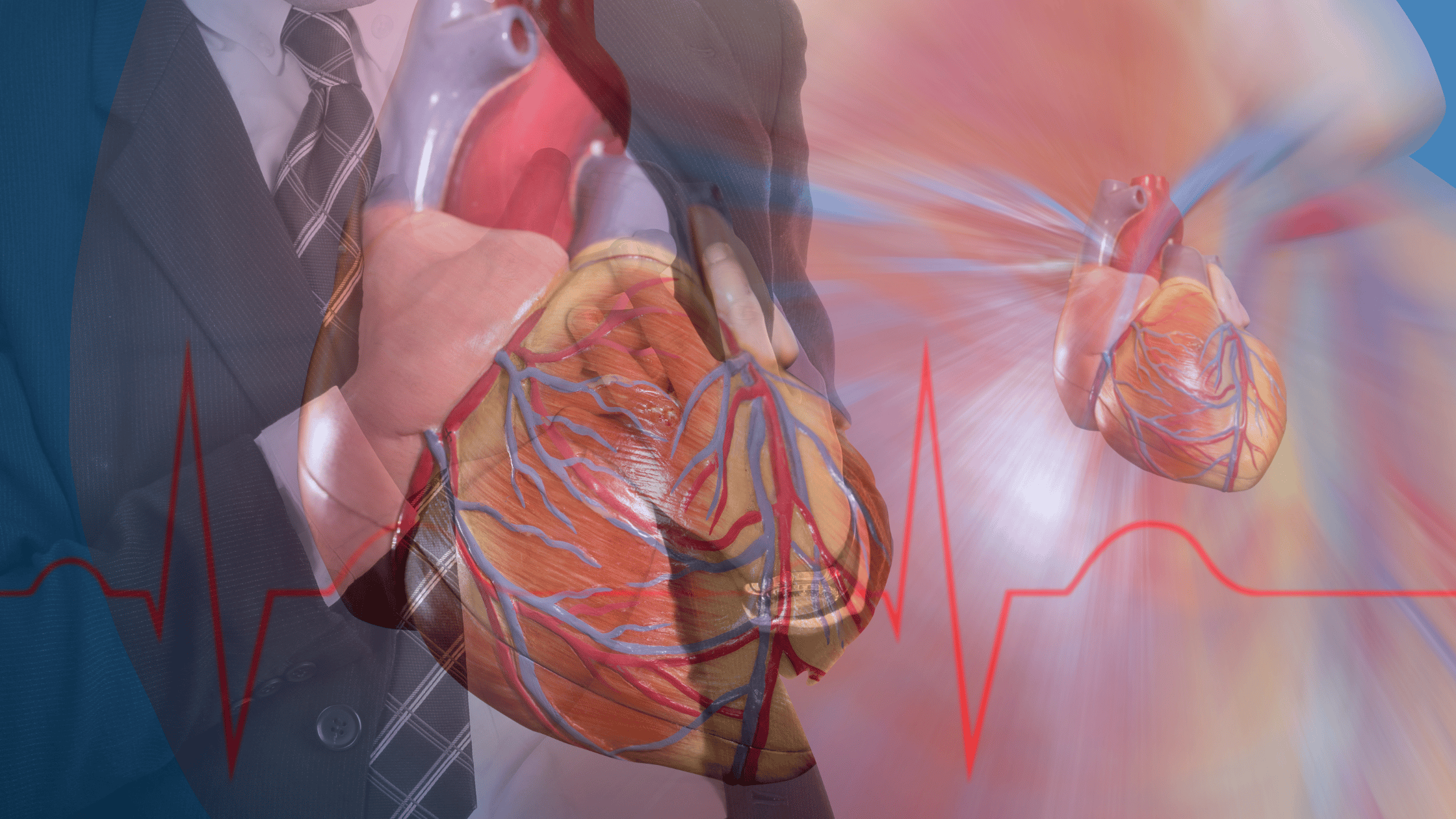
General Information on Cardiogenic Shock
Causes
- Myocardial infarction (MI)
- End-stage cardiomyopathy
- Papillary muscle or valve ruptured.
- Cardiac tamponade
- Pulmonary embolism (PE)
Nursing Assessment for Cardiogenic Shock
Sudden, severe, extreme heart failure
Decreased Perfusion
a. ↓ CO, ↓ BP
b. ↑ HR (compensation)
c. ↑ SVR (compensation)
d. Weak, thready pulses (pump isn’t pumping effectively and strong)
e. Cool, diaphoretic skin
f. Pale, dusky, cyanotic, or mottled skin
g. ↓ urine output
h. ↓ LOC, anxiety
Volume Overload (volume backs up because the pump can’t pump)
a. ↑ CVP
b. JVD
c. Pulmonary Edema→ Crackles, pink, frothy sputum, sudden, severe SOB
Therapeutic Management for Cardiogenic Shock
Treat Cause of the pump failure
a. Revascularization for MI (Percutaneous Coronary Intervention, Coronary Artery Bypass Graft)
b. Thrombolytics or surgical removal for PE
c. Pericardiocentesis for cardiac tamponade
Improve Contractility
a. Dopamine – may ↑ HR
b. Dobutamine
Decrease Afterload
a. Dobutamine
Diuretics
a. Furosemide – for Pulmonary edema
b. Caution – may ↓ BP
Nursing Case Study for
Patient Profile:
- Name: Doug Davis
- Age: 55 years old
- Gender: Male
- Medical History: Hypertension, hyperlipidemia, type 2 diabetes, and a family history of coronary artery disease

Presenting Symptoms:
- Sudden onset of severe chest pain radiating to the left arm and jaw
- Profuse sweating and shortness of breath
- Hypotension and tachycardia
- Anxiety and restlessness
Medical Examination and Diagnostics:
- Electrocardiogram (ECG): Showed ST-segment elevation in leads II, III, and aVF, indicating an acute inferior myocardial infarction (MI).
- Cardiac Biomarkers: Elevated cardiac troponin levels confirmed myocardial injury
- Echocardiogram: Revealed impaired left ventricular function and decreased ejection fraction
Medical History:
Mr. Davis had a history of hypertension and hyperlipidemia, which were managed with antihypertensive medications and statins. He had been non-compliant with his medications and dietary recommendations, contributing to his risk of developing CAD.
Diagnosis:
Mr. Davis was diagnosed with cardiogenic shock secondary to an acute inferior myocardial infarction
Treatment Plan:
Immediate Interventions:
- Rapid Response: The healthcare team activated a rapid response for Mr. Davis, and he was promptly transferred to the cardiac care unit.
- Oxygen Therapy: High-flow oxygen was administered to improve tissue oxygenation
- Intravenous Access: Large-bore intravenous lines were established for fluid resuscitation and medication administration
- Analgesia: Mr. dAVIS RECEIVED morphine for pain relief
- Cardiac Monitor: Continuous cardiac monitoring was initiated to monitor heart rhythm and detect any arrhythmias
- Continuous Blood Pressure Monitoring: An arterial line was placed to continuously monitor blood pressure
Pharmaceutical Therapy:
- Aspirin: Administered for antiplatelet effects to prevent further clot formation.
- Thrombolytic Therapy: Given in the absence of contraindications to dissolve the coronary artery clot and restore blood flow to the heart muscle.
- Intravenous Fluids: Administered cautiously to maintain adequate preload and blood pressure
- Vasopressors and Inotropes: Initiated to improve cardiac contractility and systemic vascular resistance
Invasive Procedures:
- Coronary Angiography: Planned to evaluate coronary artery patency and determine the need for percutaneous coronary intervention (PCI) or coronary artery bypass grafting (CABG).
Hemodynamic Monitoring:
- Pulmonary Artery Catheter: Inserted to measure cardiac output, pulmonary artery pressure, and other hemodynamic parameters.
Continuous Assessment and Monitoring:
- Frequent assessment of Mr. Davis’s cardiovascular status, neurological status, and oxygen saturation.
- Monitoring for potential complications, such as arrhythmias, bleeding, and renal dysfunction
Outcome:
Despite the critical nature of Mr. Davis’s condition, the prompt and comprehensive care provided by the healthcare team stabilized his hemodynamic status. Coronary angiography revealed a critical lesion in the right coronary artery, and successful PCI was performed to restore blood flow. Over the next few days, Mr. Davis showed signs of improvement, with improved cardiac function and reduced reliance on vasopressors and inotropes.
Conclusion and Free Download
This Cardiogenic shock review has equipped you with essential knowledge for tackling the NCLEX with confidence. Understanding the symptoms, interventions, and considerations related to Cardiogenic shock is vital for providing exceptional patient care as a nurse.
Looking for more must-know NCLEX review topics? Download our free eBook, “NCLEX Flash Notes: 77 Must-Know Nursing Topics for the NCLEX,” by simply providing your email address below. I’ll send you a complimentary copy straight to your inbox!
You CAN Do This
Happy Nursing!