
Learning about Chronic Kidney Disease
Chronic kidney disease, often abbreviated as CKD, is a medical condition that gradually impairs kidney function over an extended period. The kidneys, responsible for filtering waste and excess fluids from the blood, begin to lose their efficiency in individuals with CKD.
As the disease progresses, waste products accumulate in the body, leading to a range of health issues. CKD is usually a result of underlying health conditions such as diabetes, high blood pressure, or certain genetic factors.
Early detection and management are crucial to slow down the progression of the disease and minimize complications. Regular monitoring and lifestyle adjustments play a pivotal role in maintaining overall health and well-being for individuals living with chronic kidney disease.
Struggling to keep up in class?
The Nursing School Survival Package gives you a daily plan, visual cheatsheets, and everything you need to stop falling behind.
👉 Get the system that actually works →
My father has stage 3 chronic kidney disease. As a nurse, it can be frustrating trying to educate him and want him to make better choices when it comes to diet, monitoring his blood pressure, and staying hydrated. Luckily for him, he has been stable with this disease for many years. I hope it continues for him for many years to come, so he doesn’t have to go down the road of dialysis.
Overview of Chronic Kidney Disease
1. Progressive, irreversible loss of renal function with an associated decline in GFR <60 mL/min
2. All body systems affected
3. Dialysis is required
4. End-Stage Renal Disease (ESRD) = GFR <15 mL/min

General Information for Chronic Kidney Disease
1. Causes
a. DM, HTN, unreversed acute kidney injury, glomerulonephritis, and autoimmune disorders
2. Diagnostics
a. GFR = Glomerular Filtration Rate
i. mL / min
ii. Normal >90 mL/min
b. Ultrasound shows scarring/damage
c. ↓ Urine output (could be anuric)
d. ↑ BUN, Creatinine
Nursing Assessment for Chronic Kidney Disease
1. CKD affects every body system
2. Azotemia (buildup of nitrogen in the blood→urea)–> ↑ BUN, creatinine, uremia
3. Cardiac (related to RAAS effects) → Volume overload, HTN, and CHF
4. Respiratory → Pulmonary edema (vol. overload)
5. Hematologic =↓ erythropoietin so there is anemia and thrombocytopenia
6. Gastrointestinal→ Anorexia (due to Azotemia) and N/V (due to metabolic acidosis)
7. Neurological (cerebral edema & uremic encephalopathy) → Lethargy, confusion, and coma
8. Urinary→ ↓ Urine output and proteinuria (protein leakage because the kidney is not functioning properly)
9. Skeletal→ Osteoporosis occurs because of an imbalance of calcium and phosphorus needed for healthy bones. The kidneys are not functioning and filtering properly.
Therapeutic Management for Chronic Kidney Disease
1. Epoetin alfa = synthetic erythropoietin
2. Avoid administering Aspirin or NSAIDs (risk for interstitial nephritis)
3. Monitor potassium levels
a. Hyperkalemia → EKG changes (peaked T-waves, flat P, wide QRS, blocks, asystole)
b. Continuous cardiac monitoring
c. Low potassium diet
d. Potassium lowering medications (Kayexalate, insulin/dextrose, calcium gluconate)
4. Phosphate binders to lower phosphorus levels→Given BEFORE meals
5. Calcium supplements to treat the hypocalcemia
6. Hemodialysis or Peritoneal Dialysis
Nursing Case Study for Chronic Kidney Disease
Patient Profile:
Name: Gene Sampson
Age: 62 years old
Gender: Male
Medical History: Hypertension, diabetes
Presenting Symptoms:
- Fatigue and weakness
- Frequent urination
- Elevated blood pressure
- Elevated serum creatinine and blood urea nitrogen (BUN) levels
Medical examination and Diagnostics:
- Physical Examination: Mr. Sampson displayed signs of fluid retention, such as edema in the legs and ankles
- Laboratory Tests: Elevated serum creatinine and BUN levels, indicating impaired kidney function
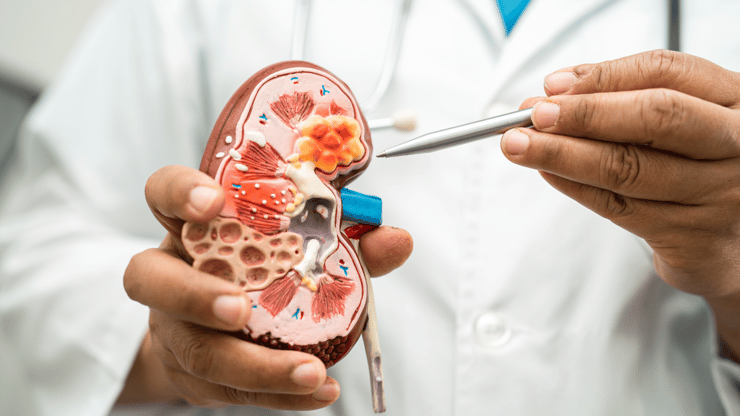
- Kidney Function Tests: Confirmed chronic kidney disease, stage 3
Medical History:
Mr. Sampson had a history of poorly controlled hypertension and diabetes, which contributed to the development of chronic kidney disease
Diagnosis:
Mr. Sampson was diagnosed with stage 3 chronic kidney disease, a progressive decline in kidney function
Treatment Plan:
1. Blood Pressure Management:
Administered antihypertensive medications to maintain target blood pressure levels.
2. Blood Sugar Control:
Worked with the diabetes management team to optimize blood glucose levels
3. Dietary Modifications:
Collaborated with a dietician to implement a kidney-friendly diet to manage electrolyte imbalances
4. Medication Adjustment:
Reviewed all medications to avoid nephrotoxic agents and adjust dosages based on kidney function
Outcome:
With diligent nursing care and multidisciplinary management, Mr. Sampson’s kidney function remained stable, and his symptoms improved. His blood pressure and blood sugar were better controlled, contributing to slowing the progression of chronic kidney disease.
Conclusion
This Chronic Kidney Disease (CKD) review provides essential knowledge for confidently approaching the NCLEX. Understanding its prevention, management, and interventions empowers nurses to provide effective care and save lives.
Struggling to keep up in class?
The Nursing School Survival Package gives you a daily plan, visual cheatsheets, and everything you need to stop falling behind.
👉 Get the system that actually works →
You CAN Do This
Happy Nursing!