
Understanding Diabetes Insipidus (DI) is Important for Nursing Students
Endocrine Disorder: Diabetes insipidus is a rare but important endocrine disorder characterized by excessive thirst and urination due to the inability to regulate water balance. Nurses should be knowledgeable about its pathophysiology, clinical presentation, and management.
Potentially Life-Threatening: Severe cases of diabetes insipidus can lead to dehydration, electrolyte imbalances, and complications such as hypovolemic shock. Nurses need to understand the potential severity of this condition and how to provide appropriate care.
Assessment Skills: Nurses should be skilled in assessing patients for signs of diabetes insipidus, including excessive thirst, polyuria, and signs of dehydration.
“What if I fail?”
You don’t need more questions. You need a real plan.
🎯 SIMCLEX + Flash Notes + ReadyScore = NCLEX Survival Package
Know you’re ready — before test day.
Fluid and Electrolyte Imbalance: Diabetes insipidus can lead to significant fluid and electrolyte imbalances. Nurses need to understand the implications of these imbalances and how to address them.
Diagnostic Tests: Nurses should be familiar with the diagnostic tests used to confirm diabetes insipidus, such as water deprivation tests and urine osmolality measurements.
Medication Management: Understanding the medications used to manage diabetes insipidus, such as desmopressin, and their administration is important for nurses.
Fluid Replacement: In cases of severe dehydration, nurses need to understand fluid replacement protocols to address the increased water loss associated with diabetes insipidus.
Documentation: Accurate documentation of signs, symptoms, interventions, and patient education is crucial for tracking the patient’s condition and providing continuity of care.
NCLEX Preparation: The NCLEX exam may include questions related to diabetes insipidus, its pathophysiology, assessment, interventions, and patient education. A solid understanding of this topic is essential for answering these questions accurately.
Overall, understanding diabetes insipidus equips nursing students to provide safe, patient-centered care to individuals affected by this condition. It ensures that nursing students are prepared to address the unique challenges and needs of patients with diabetes insipidus and contribute to positive patient outcomes.
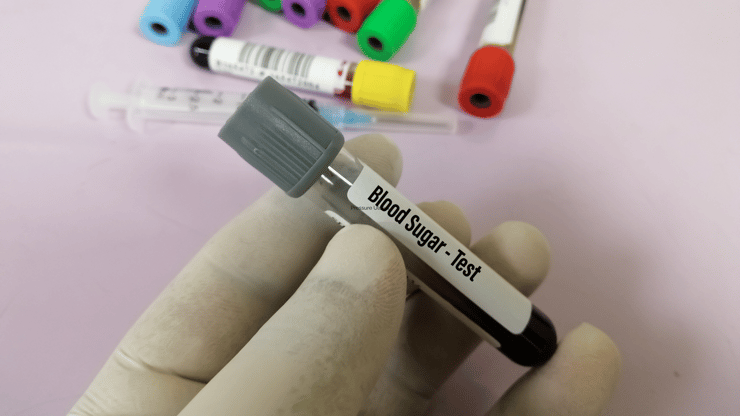
Overview of Diabetes Insipidus
Hyposecretion or failure to respond to antidiuretic hormone (ADH) from the posterior pituitary, which leads to excess water loss
General Information forDiabetes Insipidus
1. Urine output → 4L to 30L in a 24 hour period
2. Excessive dehydration
3. Causes
a. Neurogenic→ stroke, tumor
b. Infection
c. Pituitary surgery (pituitary gland secretes ADH)
Assessment for Diabetes Insipidus
1. Polyuria → Excessive urine output→ dilute urine,
Urine Specific Gravity <1.006
2. Polydipsia (extreme thirst)
3. Hypotension leading to cardiovascular collapse
4. Tachycardia
5. Hypernatremia, neurological changes
Therapeutic Management for Diabetes Insipidus
1. Water replacement
a. PO Free Water (plain water)
b. D5W if IV replacement required
2. Hormone replacement→ DDAVP (Desmopressin/
Vasopressin) → Synthetic ADH
3. Monitor urine output hourly (Report UO >200mL/
hour), monitor urine specific gravity
4. Daily weight monitoring
Nursing Case Study for Diabetes Insipidus
Patient Profile:
Lucas Carter, a 10-year-old boy, is admitted to the pediatric unit with complaints of excessive thirst and urination. His parents report that he has been drinking large amounts of water and needing to use the bathroom frequently, even during the night.
Assessment:
Upon assessment, Lucas appears alert and oriented but slightly dehydrated. He reports feeling thirsty and requests water frequently. His urine output is significantly increased, and his urine appears dilute. His serum electrolyte levels are within normal range, but his serum osmolality is low.
Interventions:
1. Fluid Replacement:
- Collaborate with the healthcare provider to initiate fluid replacement to address Lucas’s dehydration and maintain adequate fluid balance.
2. Diagnostic Tests:
- Collaborate with the healthcare provider to order diagnostic tests, such as water deprivation tests and urine osmolality measurements, to confirm the diagnosis of diabetes insipidus.
3. Medication Management:
- Collaborate with the healthcare provider to initiate desmopressin therapy, a synthetic form of antidiuretic hormone, to manage Lucas’s symptoms and help regulate his fluid balance.
4. Vital Sign Monitoring:
- Monitor Lucas’s vital signs regularly, especially his blood pressure and heart rate, to ensure he remains hemodynamically stable.
5. Neurological Assessment:
- Perform neurological assessments to monitor Lucas’s level of consciousness and cognitive function, as electrolyte imbalances or dehydration can affect neurological status.
6. Patient and Family Education:
- Educate Lucas and his family about the condition, the importance of adhering to medication therapy, and the signs of dehydration to watch for.
7. Fluid and Electrolyte Monitoring:
- Collaborate with the healthcare team to monitor Lucas’s fluid intake and output, as well as his serum electrolyte levels, to prevent imbalances.
8. Emotional Support:
- Provide emotional support to Lucas and his family, addressing their concerns and helping them cope with the challenges of managing a chronic condition.
9. Follow-Up Care:
- Schedule regular follow-up appointments to monitor Lucas’s response to treatment, adjust medication doses as needed, and provide ongoing support.
Outcome:
With comprehensive care and proper management, Lucas’s condition improves. His excessive thirst and urination subside as he receives desmopressin therapy. His fluid balance is maintained, and he is educated about his condition to actively participate in self-management.
“What if I fail?”
You don’t need more questions. You need a real plan.
🎯 SIMCLEX + Flash Notes + ReadyScore = NCLEX Survival Package
Know you’re ready — before test day.
You CAN Do This
Happy Nursing!