
Understanding Gestational Diabetes is Crucial for Nursing Students
Understanding gestational diabetes is crucial for nursing students preparing for the NCLEX exam for several reasons:
Maternal and Fetal Health: Gestational diabetes poses risks to both the pregnant individual and the developing fetus. It increases the risk of maternal complications such as preeclampsia, cesarean delivery, and type 2 diabetes later in life. Additionally, it can lead to fetal macrosomia (large baby), birth trauma, and neonatal hypoglycemia.
Screening and Diagnosis: Nurses play a significant role in identifying pregnant individuals at risk for gestational diabetes through routine screening tests. Understanding the criteria and process for screening helps nurses identify those who need further evaluation.
Patient Education: Nurses educate pregnant individuals about gestational diabetes risk factors, preventive measures, and management strategies. Providing clear instructions on glucose monitoring, dietary modifications, and exercise can positively impact maternal and fetal outcomes.
Medication Management: In some cases, pregnant individuals with gestational diabetes may require insulin or oral antidiabetic medications to manage their blood glucose levels. Nurses need to understand the administration, monitoring, and potential side effects of these medications.
.png?width=1200&height=630&name=nclex%20review%20for%20angina%20(2).png)
Monitoring and Assessment: Regular monitoring of blood glucose levels, fetal well-being, and maternal health status is essential. Nurses must be knowledgeable about interpreting results, recognizing signs of complications, and reporting concerns promptly.
Labor and Delivery Considerations: Nurses need to understand how gestational diabetes can impact labor and delivery. Close monitoring of blood glucose levels during labor, potential adjustments to insulin dosages, and the risk of fetal macrosomia are important considerations.
Postpartum Care: Nurses play a role in educating postpartum individuals about their increased risk for type 2 diabetes and the importance of ongoing glucose monitoring, lifestyle modifications, and follow-up care.
Patient Advocacy: Understanding gestational diabetes empowers nurses to advocate for pregnant individuals by ensuring appropriate screening, diagnosis, and management.
NCLEX Preparation: The NCLEX exam may include questions about gestational diabetes, its assessment, management, and potential complications. A strong grasp of this topic is essential for answering these questions accurately.
Understanding gestational diabetes prepares nursing students to provide safe, competent, and compassionate care to pregnant individuals, promoting positive outcomes for both mothers and babies. It aligns with the nursing profession’s commitment to holistic and patient-centered care.
Gestational Diabetes Overview
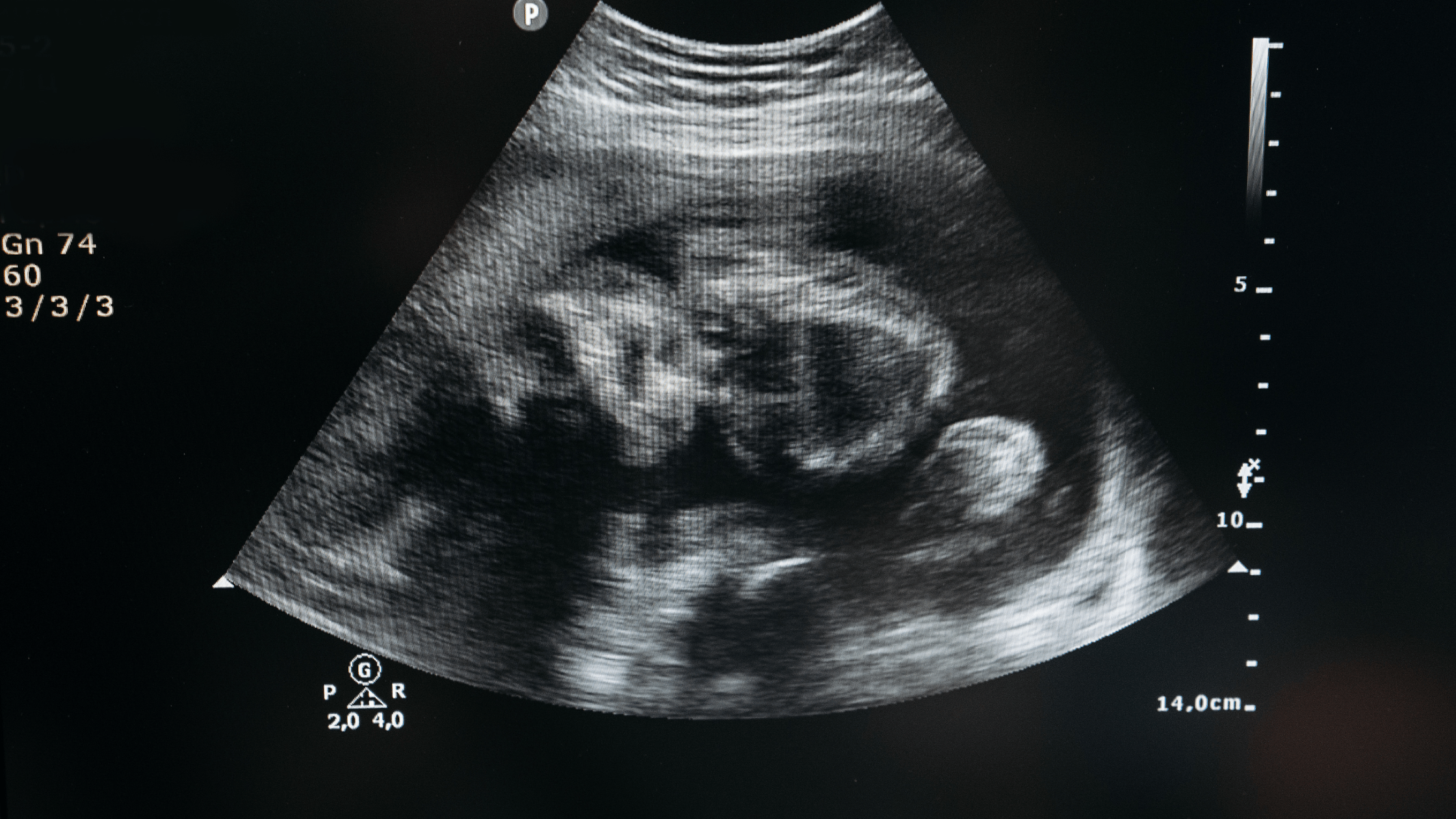
1. Pregnancy can cause insulin resistance because increased weight and hormones cause higher blood sugars
2. but needs a source for glucose.
3. If the mother has high blood sugar, the glucose will cross the placenta.
a. In response to the mother’s hyperglycemia, the fetus’s body produces more insulin causing excessive growth.
b. Maternal insulin will not cross the placenta, only the glucose.
Nursing Assessment for Gestational Diabetes
1. Maternal changes are as follows:
a. 1st trimester: insulin needs are reduced
b. 2nd and 3rd trimester: insulin resistance occurs when hormones increase
i. Insulin needs increase
c. Right after placenta delivers: hormones and insulin requirements decrease
i. Gestational diabetics should no longer require insulin or diet management post-delivery
2. Newborn changes/issues
a. The baby grows faster and larger, but their function is still reflective of age and not size
b. Macrosomic = 4000g
3. Assessments
a. Screen for glucose and protein in urine at regular prenatal visits (glucosuria and ketonuria)
b. Check blood sugar between 24-28 weeks with glucola testing
c. High-risk patients may be screened at the beginning of pregnancy.
Therapeutic Management for Gestational Diabetes
1. Ideal to control with diet and exercise
2. Monitor for typical DM complications (signs of infection, HTN, edema, proteinuria)
Nursing Case Study for Gestational Diabetes
Patient: Hannah
Assessment:
Identify risk factors for gestational diabetes, such as obesity, family history of diabetes, and advanced maternal age.
Monitor blood glucose levels regularly using a glucometer and record the results.
Assess dietary habits and physical activity level to determine the need for modifications.
Evaluate the patient’s understanding of gestational diabetes, its management, and potential complications.
Nursing Diagnoses:
Risk for Maternal and Fetal Injury related to uncontrolled blood glucose levels during pregnancy.
Deficient Knowledge regarding self-care measures and management of gestational diabetes.
Alteration in Nutrition: More than Body Requirements related to elevated blood glucose levels.
Goals:
The patient will achieve and maintain target blood glucose levels within the recommended range.
The patient will demonstrate an understanding of self-care measures and management strategies for gestational diabetes.
The patient’s nutritional intake will align with the recommended dietary plan for gestational diabetes.
Interventions:
1. Blood Glucose Monitoring:
Educate the patient on proper technique for blood glucose monitoring.
Encourage the patient to monitor blood glucose levels as per the healthcare provider’s recommendations.
Collaborate with the healthcare team to adjust insulin or oral antidiabetic medication dosages based on monitoring results.
2. Dietary Management:
Collaborate with a registered dietitian to develop a personalized meal plan that promotes stable blood glucose levels.
Educate the patient about carbohydrate counting, portion control, and the importance of balanced meals.
Emphasize the need for regular meals and snacks to prevent blood glucose fluctuations.
3. Physical Activity:
Assess the patient’s physical activity level and develop an appropriate exercise plan.
Educate the patient about the benefits of regular physical activity in managing blood glucose levels.
Emphasize safe exercises that are suitable for pregnant individuals.
4. Medication Administration:
If insulin or oral antidiabetic medications are prescribed, educate the patient about administration techniques and potential side effects.
Emphasize the importance of adherence to the medication regimen.
5. Patient Education:
Provide comprehensive education about gestational diabetes, its risks, and the potential impact on the mother and baby.
Teach the patient how to recognize signs of hypoglycemia and hyperglycemia and how to respond appropriately.
Discharge Planning:
Provide written instructions on blood glucose monitoring, medication administration (if applicable), meal planning, and exercise guidelines.
Schedule follow-up appointments with the healthcare provider to monitor progress and adjust the care plan as needed.
Conclusion and Free Download
This Gestational Diabetes review provides essential knowledge for approaching the NCLEX with confidence. Understanding its prevention, management, and interventions empowers nurses to provide adequate care and save lives.
Looking for more must-know NCLEX review topics? Download our free eBook, “NCLEX Flash Notes: 77 Must-Know Nursing Topics for the NCLEX,” by simply providing your email address below. I’ll send you a complimentary copy straight to your inbox!
You CAN Do This
Happy Nursing!