
Understanding Parkinson’s disease
Understanding Parkinson’s disease is important for nursing students preparing for the NCLEX exam due to several reasons:
Prevalence: Parkinson’s disease is a common neurodegenerative disorder, and nurses are likely to encounter patients with Parkinson’s disease in various healthcare settings.
.png?width=1200&height=630&name=nclex%20review%20for%20angina%20(2).png)
Complexity: Parkinson’s disease is a complex condition that involves motor and non-motor symptoms. Nurses need to understand its pathophysiology, clinical manifestations, and management.
Progressive Nature: Parkinson’s disease is a progressive disorder that worsens over time. Nurses should be aware of the disease’s trajectory and the changing needs of patients as it advances.
Motor Symptoms: Nurses should be skilled in recognizing and assessing the motor symptoms of Parkinson’s disease, including tremors, rigidity, bradykinesia, and postural instability.
Non-Motor Symptoms: Parkinson’s disease presents with a range of non-motor symptoms, such as cognitive impairment, depression, sleep disturbances, and autonomic dysfunction. Nurses need to understand and address these aspects of the disease.
Medication Management: Nurses should be knowledgeable about the medications used to manage Parkinson’s disease, such as dopamine agonists and levodopa, as well as their potential side effects and interactions.
Nutrition and Swallowing: Parkinson’s disease can affect swallowing and nutrition. Nurses should understand the importance of monitoring nutritional status and providing appropriate dietary modifications.
Fall Prevention: Patients with Parkinson’s disease are at a higher risk of falls due to balance issues. Nurses should implement fall prevention strategies and educate patients and caregivers.
Physical and Occupational Therapy: Collaboration with physical and occupational therapists is crucial for optimizing mobility, maintaining independence, and managing activities of daily living.
Patient Education: Nurses educate patients and caregivers about Parkinson’s disease, medication schedules, symptom management, and the importance of regular follow-up.
NCLEX Preparation: The NCLEX exam may include questions related to Parkinson’s disease, its pathophysiology, assessment, interventions, and patient education. A strong understanding of this topic is essential for answering these questions accurately.
Overall, understanding Parkinson’s disease equips nursing students to provide safe, patient-centered care to individuals with this chronic neurological disorder. It ensures that nursing students are prepared to address the unique challenges and needs of patients with Parkinson’s disease and contribute to positive patient outcomes.
Overview of Parkinson’s Disease
1. Degenerative neurological disorder
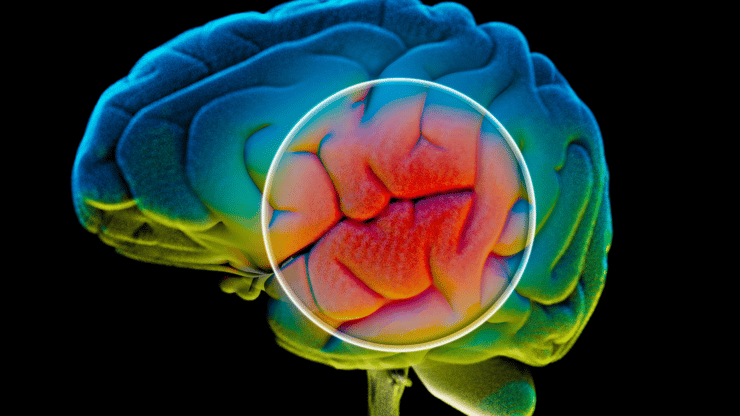
2. Atrophy of substantia nigra → depletion ofdopamine→ Less and less capable of controlled movement
General Information for Parkinson’s Disease
1. Slow, progressive disease, no cure
2. Progressively debilitated and self-care dependent
Assessment for Parkinson’s disease
1. Classic Signs:
a. Pill rolling – tremors in hands (as if rolling a pill between fingers)
b. Shuffling Gait
c. Lip Smacking
d. Bradykinesia – slow movements due to muscle rigidity
e. Resting tremor
f. Akinesia → loss of voluntary movement
g. Blank facial expression
h. Stooped stance
i. Drooling
j. Dysphagia
Therapeutic Management for Parkinson’s Disease
1. Medication therapy
a. Dopaminergic
b. Dopamine agonists→ Levodopa-Carbidopa
c. Anticholinergics
2. The goal is to increase the levels of available dopamine in the CNS
Nursing Case Study for Parkinson’s Disease
Patient Profile:
Robert Smith, a 68-year-old man, presents to the clinic with complaints of tremors in his hands, stiffness, and difficulty walking. He reports that these symptoms have been progressively worsening over the past year, affecting his ability to perform daily activities.
Assessment:
Upon assessment, Robert’s hands exhibit a resting tremor. He has rigidity in his limbs, and his gait is shuffling with reduced arm swing. He reports experiencing stiffness and occasional difficulty initiating movement.
Interventions:
1. Comprehensive Assessment:
Conduct a thorough assessment of Robert’s motor symptoms, non-motor symptoms, and overall functional status.
2. Medication Management:
Collaborate with the healthcare provider to initiate appropriate medication therapy, such as levodopa, to manage Robert’s motor symptoms.
3. Fall Risk Assessment:
Assess Robert’s risk of falls due to his shuffling gait and postural instability. Implement fall prevention strategies and educate him about safe mobility.
4. Physical Therapy:
Refer Robert to a physical therapist to develop a personalized exercise program that focuses on improving balance, strength, and mobility.
5. Occupational Therapy:
Collaborate with an occupational therapist to address Robert’s difficulty with activities of daily living and suggest adaptive techniques.
6. Speech Therapy:
Refer Robert to a speech therapist to address any changes in speech patterns or swallowing difficulties that can occur in Parkinson’s disease.
7. Nutritional Guidance:
Collaborate with a registered dietitian to monitor Robert’s nutritional status and provide guidance on dietary modifications if needed.
Outcome:
With comprehensive care and a multidisciplinary approach, Robert’s condition improves. His motor symptoms become more manageable with medication therapy and targeted exercises. He gains confidence in his mobility, and his quality of life improves as he is able to engage in daily activities with greater ease.
Free Download on Parkinson’s Disease For Nursing Students and NCLEX Prep
Are you looking for more must-know NCLEX review topics? Download our free eBook “NCLEX Flash Notes” as a valuable resource for nursing students. Encourage readers to download their free copy of the “NCLEX Flash Notes.”
You CAN Do This
Happy Nursing!