
Understanding Preeclampsia is Crucial for Nursing Students
Understanding preeclampsia is essential for nursing students preparing for the NCLEX exam, as questions related to this pregnancy-related disorder may be included. Here’s what you need to know:
Definition: Preeclampsia is a pregnancy-related condition characterized by high blood pressure (hypertension) and organ damage, most commonly affecting the liver and kidneys. It usually develops after 20 weeks of gestation.
Etiology: The exact cause of preeclampsia is not fully understood, but it is thought to involve problems with blood vessel function, immune response, and genetic factors.
Risk Factors: Risk factors include a history of preeclampsia in previous pregnancies, first pregnancy, maternal age younger than 20 or older than 40, multiple pregnancies (twins or more), obesity, chronic hypertension, diabetes, and certain autoimmune disorders.
.png?width=1200&height=630&name=nclex%20review%20for%20angina%20(2).png)
Severe Preeclampsia and Eclampsia: Severe preeclampsia involves more pronounced symptoms, such as severe hypertension, significant proteinuria, impaired liver function, kidney dysfunction, and the risk of seizures (eclampsia).
Diagnostic Tests: Preeclampsia is diagnosed through regular blood pressure measurements and urine protein tests. Additional tests may include blood tests to assess organ function and fetal well-being.
Management: The main treatment for preeclampsia is the delivery of the baby. However, if the pregnancy is not far enough along, close monitoring, bed rest, antihypertensive medications, and sometimes corticosteroids to enhance fetal lung maturity may be used.
Complications: Preeclampsia can lead to serious complications for both the mother and baby, including preterm birth, low birth weight, placental abruption, and organ damage.
Postpartum Considerations: Preeclampsia can persist after delivery or develop shortly afterward. Monitor postpartum patients for signs of worsening symptoms.
NCLEX Preparation: Be prepared to answer questions related to the pathophysiology, clinical manifestations, complications, and nursing care of preeclampsia on the NCLEX exam.
Understanding preeclampsia is crucial for nursing students to provide safe and effective care to pregnant individuals at risk for this condition. This knowledge will not only help you succeed on the NCLEX but also equip you to support pregnant patients and ensure the well-being of both mother and baby.
Preeclampsia Overview
1. Hypertensive disorder (140/90)
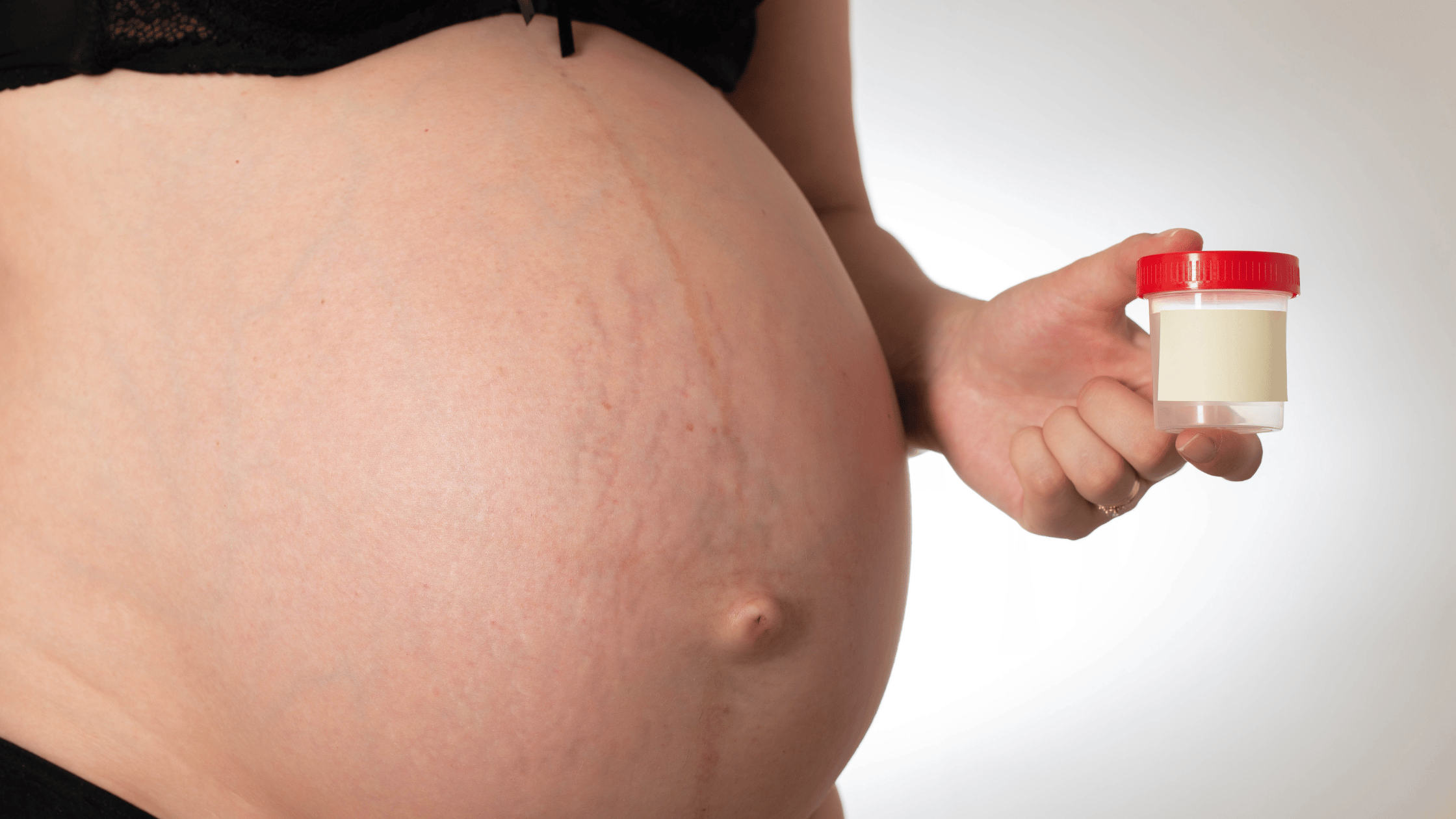
2. Proteinuria
3. After 20 weeks of gestation
General Information for Preeclampsia
1. A woman may or may not be symptomatic but will have elevated blood pressures and proteinuria
a. Proteinuria – >300 mg in a 24 hr urine specimen and a Protein:Creatinine Ratio of >0.3
2. Blood pressures
a. 140/90 or more for two occurrences
i. 4 hours apart
b. Or a systolic 160 mmHg or more
c. Or a diastolic of 90 mmHg or more
i. 140/90 & 160/90 are both classified as preeclamptic hypertension
Assessment for Preeclampsia
1. So what does this client look like?
a. A sudden increase in edema
i. Displayed in hands and face
b. Sudden weight gain
i. Occurs in excess fluid retention
c. Complaints of headache, epigastric, or RUQ pain
d. Vision changes
i. A serious symptom of preeclampsia
ii. From swelling and irritation of the brain and the CNS
e. Proteinuria→ MUST be present to be preeclampsia
2. Fetal assessment
a. Intrauterine growth restriction (IUGR)
i. Placental blood flow is not at its best
Therapeutic Management Preeclampsia
1. Delivery of the baby is the only treatment
2. Magnesium sulfate is given prophylactically
a. Seizure prevention
3. Some antihypertensive drugs might be given to manage BP
Nursing Case Study for Preeclampsia
Patient: Heather Hall
Assessment:
Blood pressure consistently elevated (systolic >140 mm Hg or diastolic >90 mm Hg).
Presence of proteinuria (protein in urine) detected through dipstick testing.
Edema, particularly in the hands and face.
Headache, visual disturbances, and epigastric pain reported.
Fetal monitoring indicates changes in fetal heart rate and activity.
Nursing Diagnoses:
Risk for Maternal Injury related to elevated blood pressure and potential seizures.
Impaired Gas Exchange related to decreased blood flow to vital organs.
Deficient Fluid Volume related to fluid shifts and decreased glomerular filtration.
Interventions:
1. Blood Pressure Monitoring and Medication Administration:
Monitor blood pressure at regular intervals, ensuring accurate measurement techniques.
Administer antihypertensive medications as ordered by the healthcare provider.
Collaborate with the healthcare team to adjust medication dosages as needed.
2. Assessment of Symptoms:
Assess the patient’s symptoms, including headache, visual disturbances, and epigastric pain.
Document changes in symptoms and report to the healthcare provider.
3. Fetal Monitoring:
Monitor fetal heart rate and uterine activity using electronic fetal monitoring.
Notify the healthcare provider of any significant changes in fetal status.
4. Oxygenation and Organ Perfusion:
Position the patient in a comfortable and semi-Fowler’s position to enhance lung expansion.
Administer oxygen therapy as prescribed to maintain adequate oxygen saturation.
5. Fluid Balance Management:
Monitor intake and output closely, including urine output and vaginal bleeding.
Educate the patient about the importance of maintaining hydration within recommended limits.
6. Seizure Precautions:
Ensure a safe environment by keeping the patient’s room clutter-free and avoiding harsh lighting.
Have emergency equipment, such as oxygen and suction, readily available.
7. Medication Education:
Educate the patient about prescribed antihypertensive medications, their purpose, potential side effects, and the importance of compliance.
8. Patient and Family Education:
Educate the patient and family about the signs and symptoms of worsening preeclampsia, the importance of reporting symptoms promptly, and the need for close monitoring.
Evaluation:
Patient’s blood pressure remains within acceptable ranges.
Patient’s oxygenation and organ perfusion are maintained.
Patient maintains optimal fluid balance.
Discharge Planning:
Provide the patient with written instructions on medication regimen, symptoms to report, and follow-up appointments.
Collaborate with the healthcare provider to determine the appropriate timing and mode of delivery, considering the severity of preeclampsia and gestational age.
Conclusion and Free Download
This Preeclampsia review provides essential knowledge for confidently approaching the NCLEX. Understanding its prevention, management, and interventions empowers nurses to provide adequate care and save lives.
Looking for more must-know NCLEX review topics? Download our free eBook, “NCLEX Flash Notes: 77 Must-Know Nursing Topics for the NCLEX,” by simply providing your email address below. I’ll send you a complimentary copy straight to your inbox!
You CAN Do This
Happy Nursing!