
Understanding Thrombocytopenia is Important for Nursing Students
Patient Safety: Thrombocytopenia, characterized by a low platelet count, can lead to an increased risk of bleeding and bruising. Nurses must understand the implications of this condition to ensure patient safety and prevent complications.
Medication Management: Some medical conditions and medications can cause or exacerbate thrombocytopenia. Nurses need to be aware of these factors to provide appropriate care, monitor for adverse effects, and administer medications safely.
Assessment Skills: Nurses need to recognize the signs and symptoms of thrombocytopenia, such as petechiae, ecchymosis, bleeding gums, and nosebleeds. Accurate assessment allows for early intervention and prevention of bleeding episodes.
Struggling to keep up in class?
The Nursing School Survival Package gives you a daily plan, visual cheatsheets, and everything you need to stop falling behind.
👉 Get the system that actually works →
Monitoring: Thrombocytopenia may require frequent monitoring of platelet counts. Nurses need to understand the significance of platelet count values and collaborate with the healthcare team to adjust the care plan accordingly.
Prevention of Bleeding: Nurses play a critical role in preventing bleeding complications in patients with thrombocytopenia. This involves careful handling of patients, implementing fall prevention measures, and avoiding invasive procedures when possible.
Patient Education: Nurses educate patients with thrombocytopenia about self-care measures to prevent bleeding, such as using a soft toothbrush, avoiding activities that can cause injury, and reporting any signs of bleeding promptly.
Documentation: Accurate and comprehensive documentation of platelet counts, bleeding episodes, and interventions is crucial for patient care continuity and communication among the healthcare team.
NCLEX Preparation: The NCLEX exam may include questions related to thrombocytopenia, its causes, assessments, interventions, and potential complications. A solid understanding of this topic is essential for answering these questions correctly.
Overall, understanding thrombocytopenia is essential for nursing students to provide safe, competent, and patient-centered care to individuals with this condition. It ensures that nursing students are prepared to address the unique challenges and needs of patients at risk of bleeding complications.
Overview of Thrombocytopenia
1. A decrease in the circulating platelets (<100,000/mL)
General Information for Thrombocytopenia
1. Causes
a. Aplastic Anemia which will cause a decreased production
b. Autoimmune Disorders which will cause an increase in destruction
c. Medication-induced ie. Heparin-Induced, cytotoxic drugs, some antibiotics
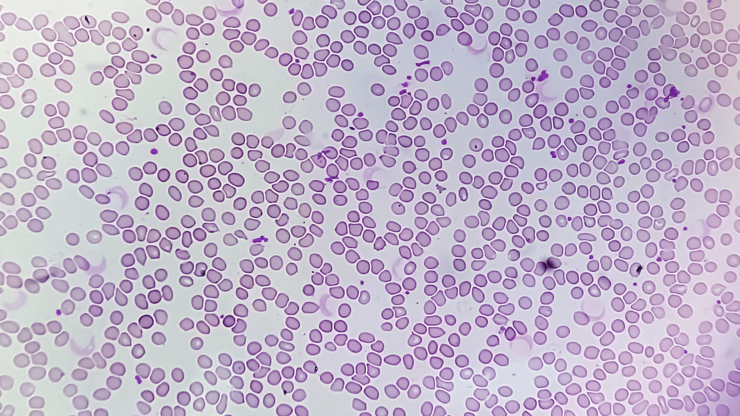
Nursing Assessment for Thrombocytopenia
1. Abnormal Labs
a. ↓ Platelet count
b. ↓ Hgb, Hct
2. Bleeding because there are not enough platelets to clot.
a. This will show as petechiae, epistaxis, GI bleeding (Hematemesis, Melena, Occult blood in the stool), hematuria, and hemoptysis
Therapeutic Management for Thrombocytopenia
1. Platelet transfusions
2. Bleeding precautions→ Avoid invasive procedure, soft-bristled toothbrush, and avoid medications that interfere with coagulation (i.e. Aspirin, Heparin)
Nursing Case Study for Thrombocytopenia
Patient Profile:
John Anderson, a 55-year-old male, has been admitted to the medical-surgical unit with a diagnosis of thrombocytopenia. He presents with petechiae on his skin, easy bruising, and gum bleeding. His medical history includes chronic liver disease and recent chemotherapy for leukemia.
Assessment:
Upon assessment, John has a platelet count of 45,000/mm³ (normal range: 150,000 – 450,000/mm³). He reports feeling fatigued and weak. His skin shows multiple petechial spots, and there is evidence of gum bleeding during oral assessment.
Diagnosis:
John’s presentation is consistent with thrombocytopenia, a condition characterized by a low platelet count. The petechiae, easy bruising, and gum bleeding are classic signs of bleeding due to decreased platelets.
Interventions:
1. Bleeding Precautions:
Implement bleeding precautions, such as using a soft toothbrush, avoiding invasive procedures, and providing nonslip footwear.
Educate John about the importance of fall prevention and reporting any signs of bleeding immediately.
2. Platelet Transfusion:
Collaborate with the healthcare provider to initiate a platelet transfusion, especially if bleeding is significant or if platelet counts continue to drop.
Monitor John closely during and after the transfusion for any adverse reactions.
3. Medication Management:
Review John’s medication list for any drugs that might contribute to thrombocytopenia or increase bleeding risk.
Collaborate with the healthcare provider to adjust or discontinue medications as appropriate.
4. Assessment and Monitoring:
Monitor John’s vital signs regularly, paying close attention to signs of bleeding or complications.
Assess for any signs of internal bleeding, such as abdominal pain, coffee-ground emesis, or black, tarry stools.
5. Patient Education:
Educate John about the nature of thrombocytopenia, its potential complications, and the importance of adhering to bleeding precautions.
Discuss the need for regular platelet count monitoring and any prescribed treatments.
6. Collaboration with Specialists:
Collaborate with hematologists and other specialists to determine the underlying cause of John’s thrombocytopenia and to develop a comprehensive care plan.
7. Emotional Support:
Provide emotional support to John and address his concerns related to his condition, treatment, and potential outcomes.
8. Documentation:
Document John’s platelet counts, interventions, responses to treatments, and any signs of bleeding or improvement.
With appropriate interventions, including platelet transfusion, bleeding precautions, and close monitoring, John’s platelet count stabilizes, and his bleeding symptoms improve. He is educated about thrombocytopenia management and is discharged with a follow-up plan for ongoing care.
Struggling to keep up in class?
The Nursing School Survival Package gives you a daily plan, visual cheatsheets, and everything you need to stop falling behind.
👉 Get the system that actually works →
You CAN Do This
Happy Nursing!