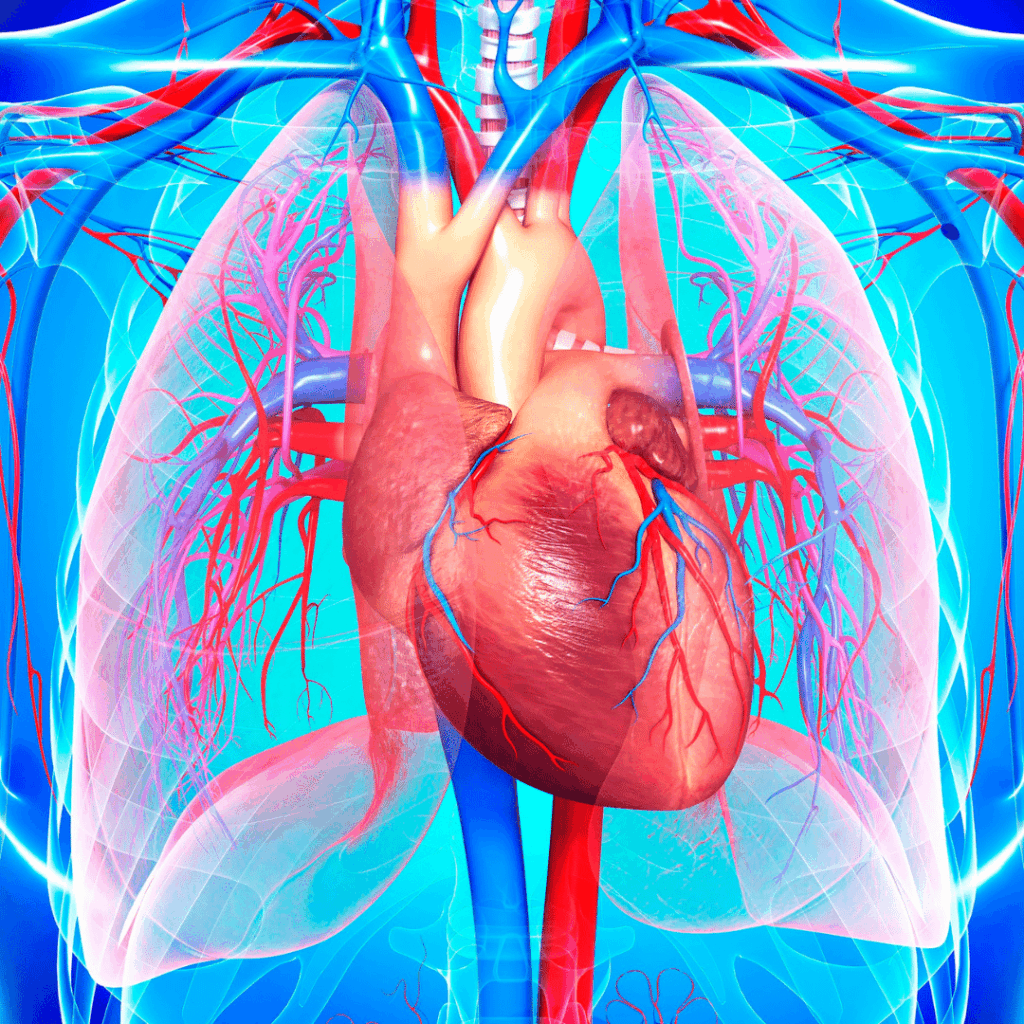
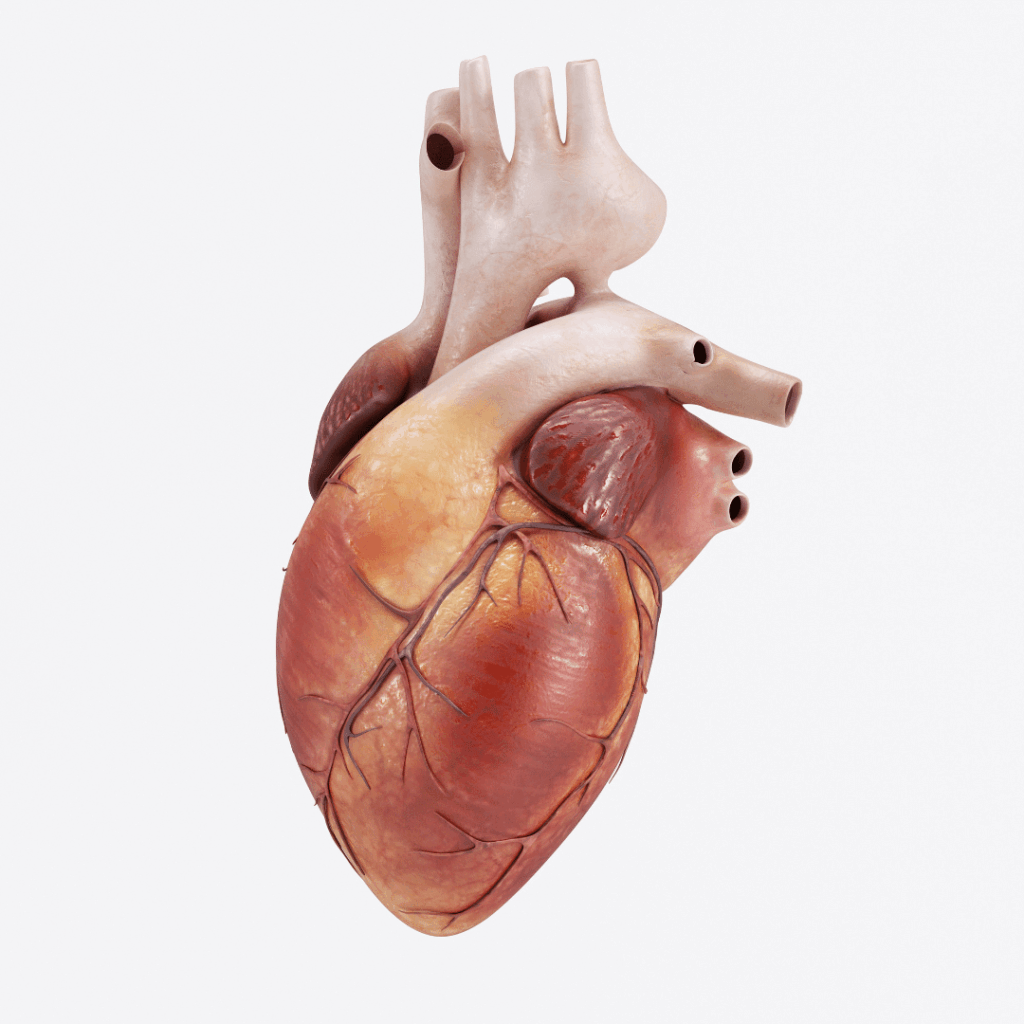
Angina is chest pain caused by reduced blood flow to the heart muscle, often due to blocked arteries, typically triggered by exertion or stress.
Heart failure is when the heart can't pump blood properly, causing symptoms like fatigue, shortness of breath, and fluid retention, often due to heart conditions or other causes.
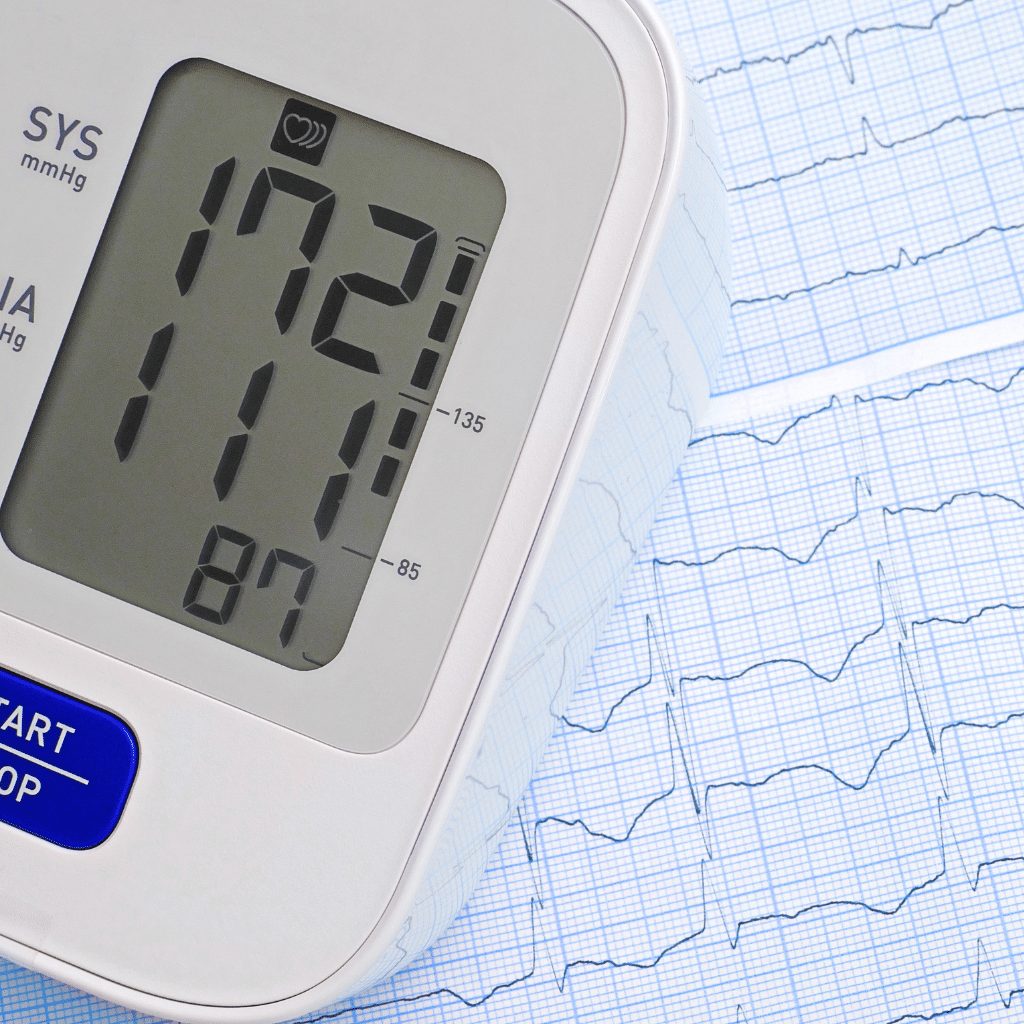
Hypertension is high blood pressure, a chronic condition that strains arteries and raises cardiovascular risks.
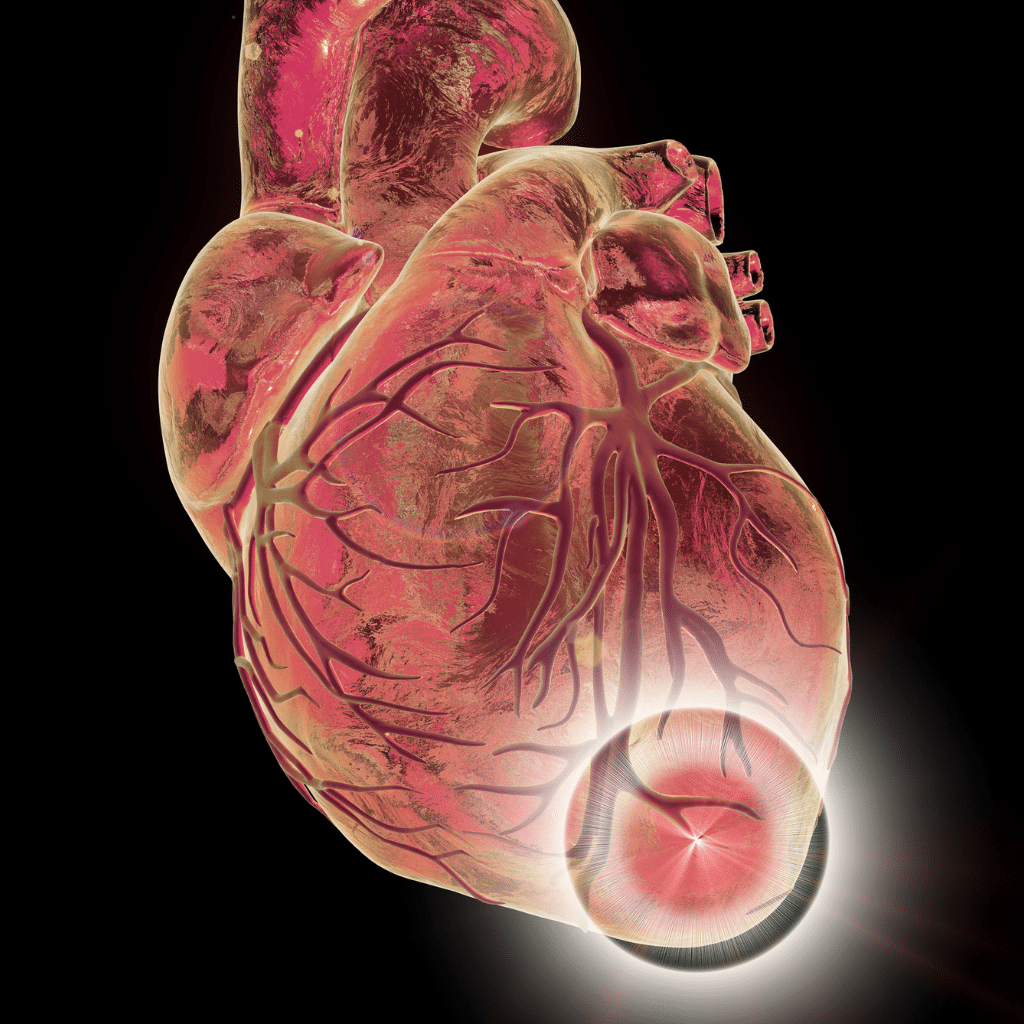
Myocardial infarction, or heart attack, happens when blood flow to the heart muscle is blocked, causing tissue damage and symptoms like chest pain and shortness of breath.
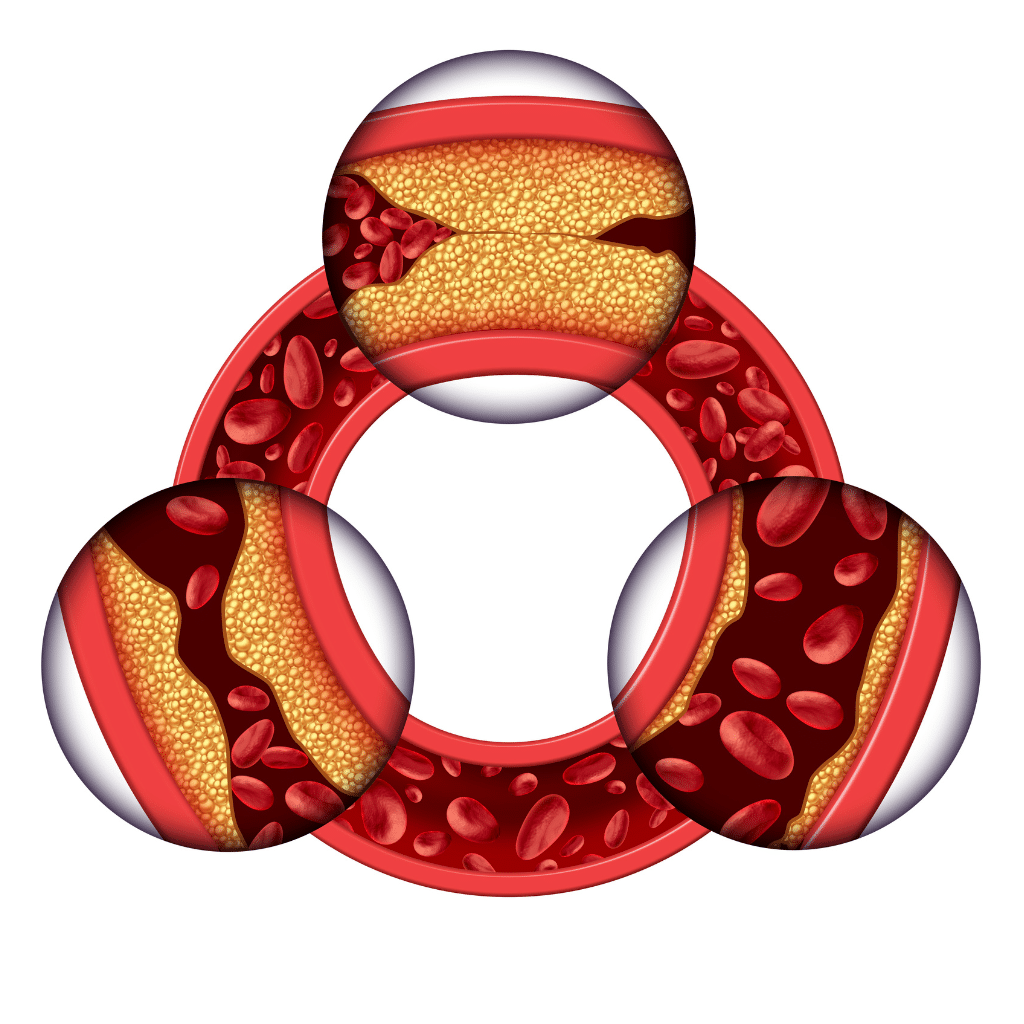
Coronary artery disease is when heart arteries narrow or block from plaque, causing reduced blood flow, chest pain, and heightened heart attack risk.
Now Available: NCLEX Flash Notes eBook
FREE to Download 77 Must-Know Nursing Topics For NCLEX Success
Cardiogenic shock is when the heart's inability to pump results in insufficient blood supply to organs, causing a dangerous drop in blood pressure and organ dysfunction.
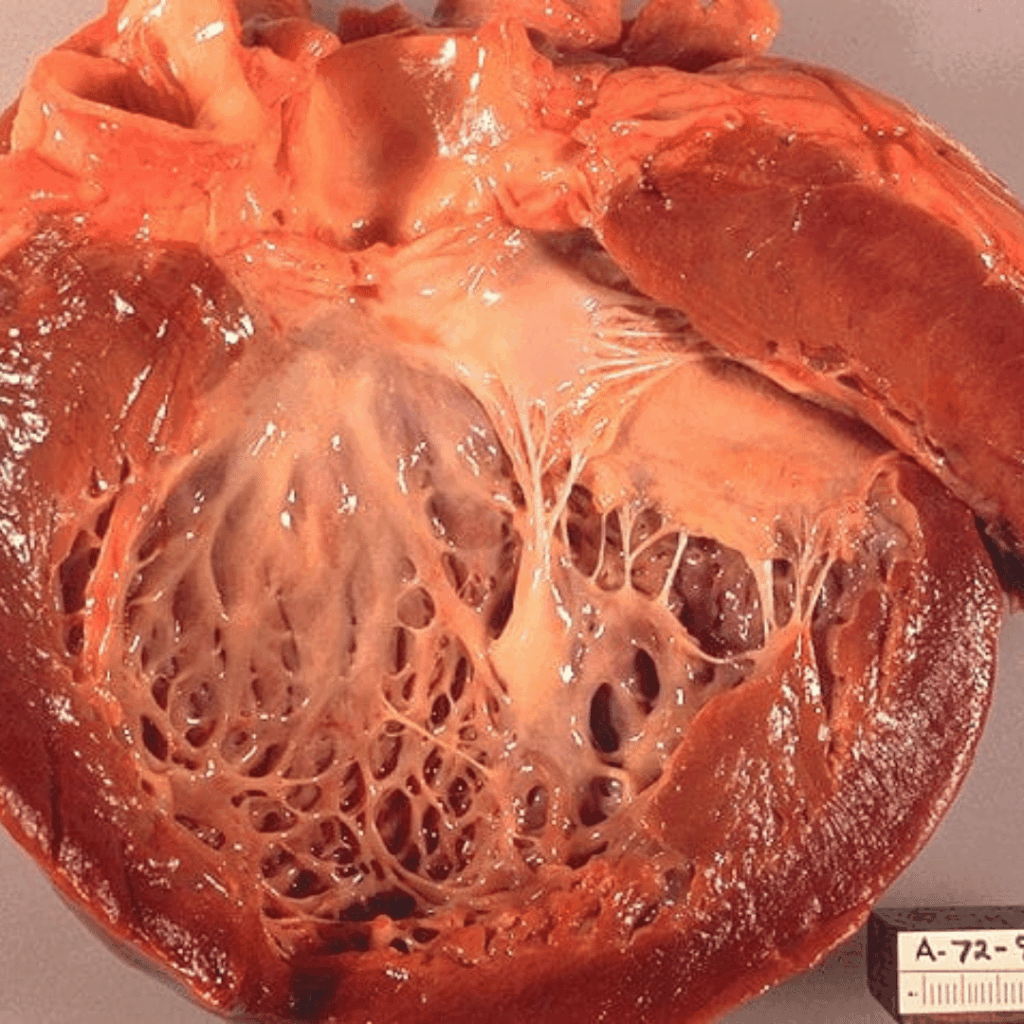
Cardiomyopathy is heart muscle weakening or enlargement causing reduced pumping ability and symptoms like fatigue and breathlessness.
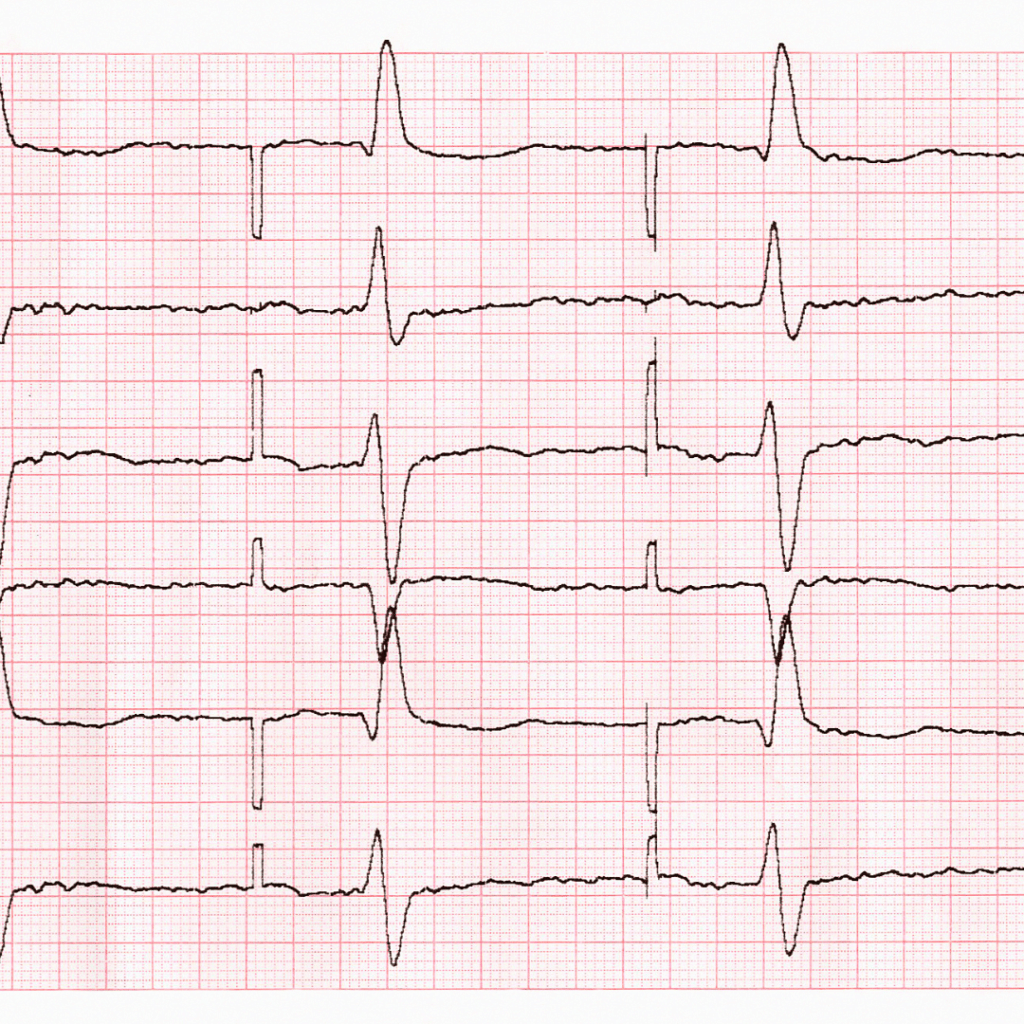
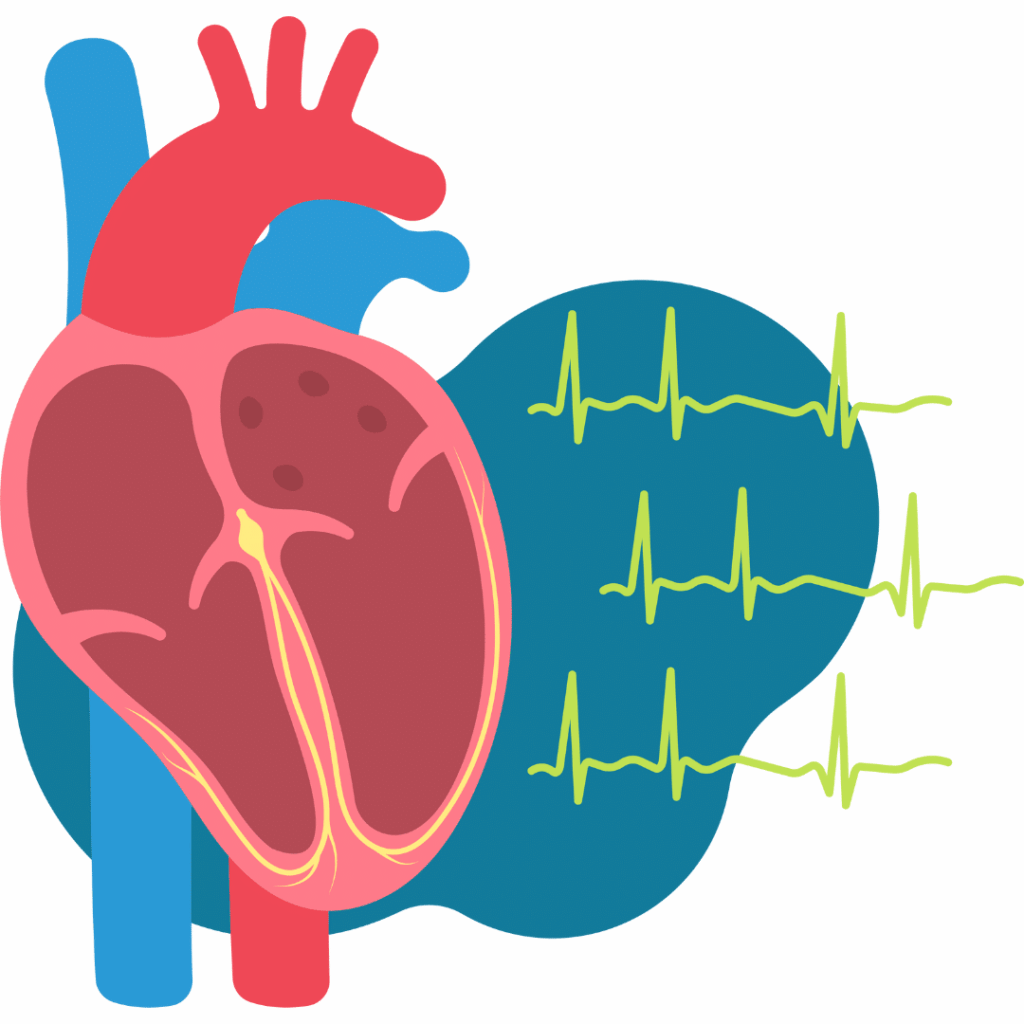
Atrial fibrillation is an irregular heart rhythm where the atria quiver instead of contracting normally, leading to symptoms like palpitations and an increased stroke risk.
Thrombophlebitis is vein inflammation with clot formation, causing pain, redness, and swelling, with potential for clot migration and complications.
Sinus tachycardia is a faster heart rate caused by the sinus node, often due to factors like stress or exercise, without underlying heart problems.
Hypovolemic shock is a severe condition due to substantial blood or fluid loss, causing low blood pressure, rapid heart rate, and compromised organ function.
Distributive shock occurs from blood vessel dilation, causing low blood pressure and poor circulation due to factors like infections or allergic reactions.
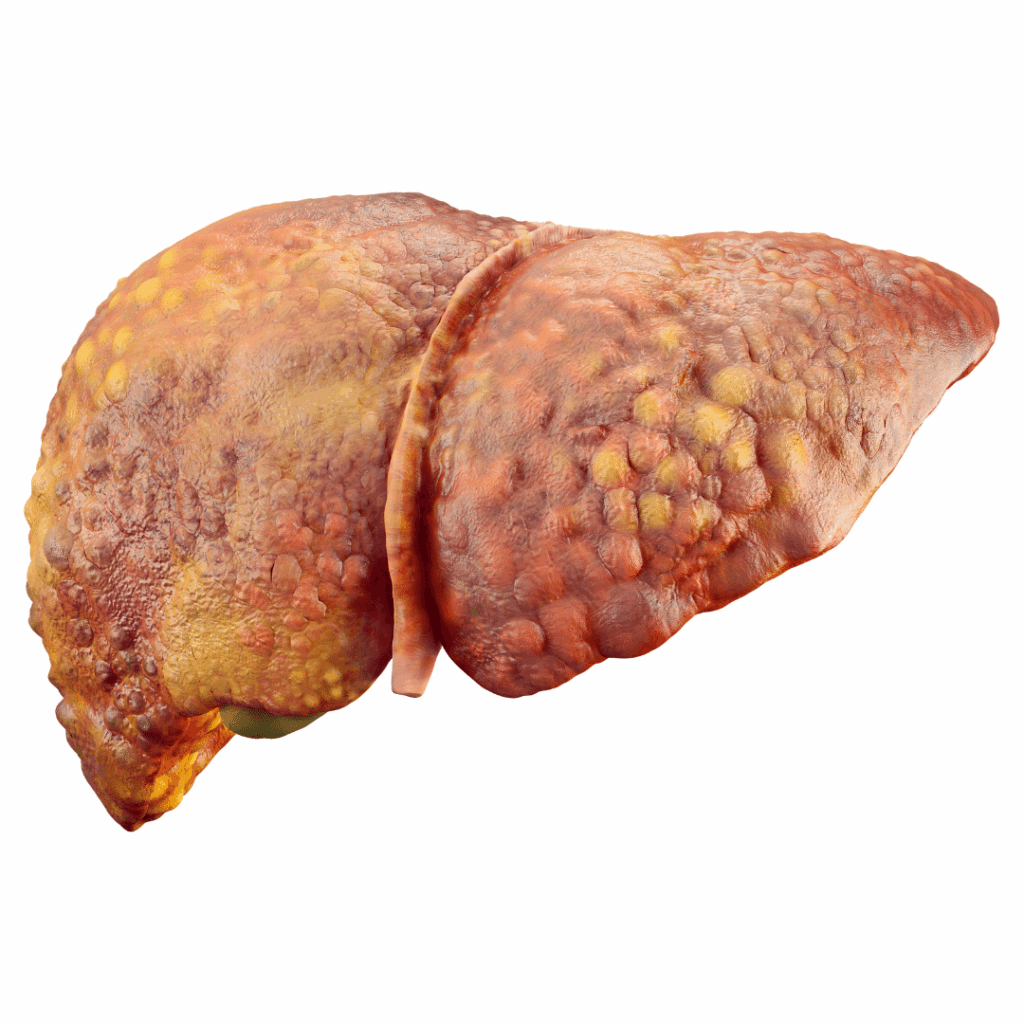
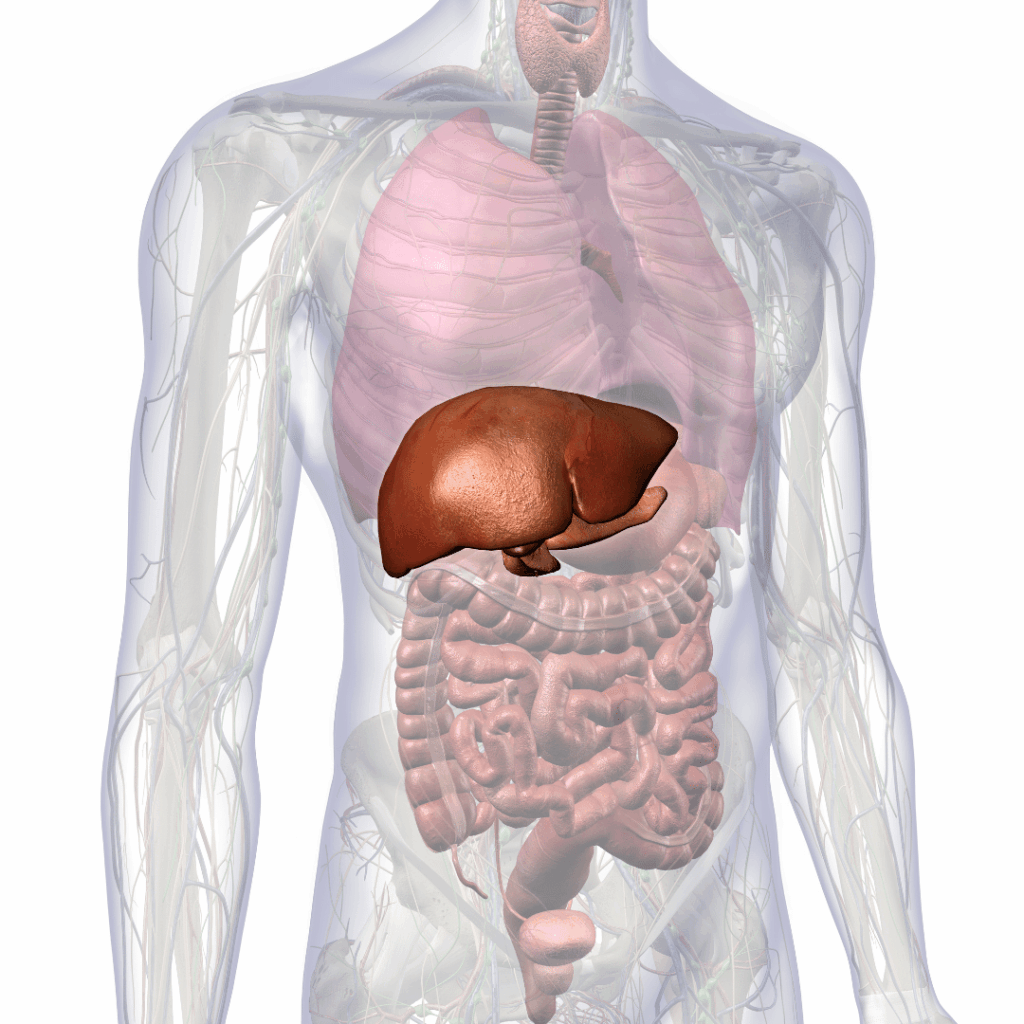
Cirrhosis is advanced liver scarring from long-term damage, reducing function and causing complications due to factors like alcohol abuse or hepatitis.
Peptic ulcer disease is stomach or duodenal sores from factors like excess acid or bacterial infection, causing symptoms like abdominal pain.
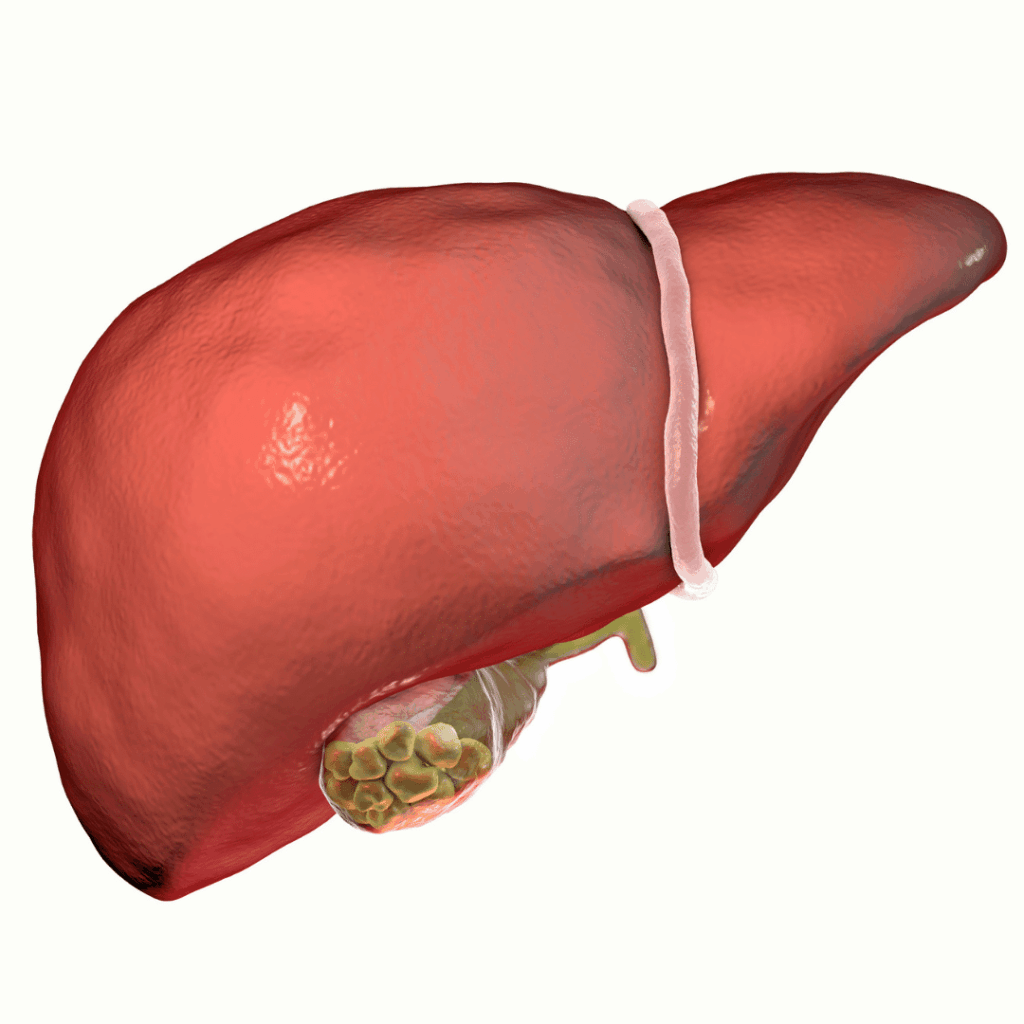
Cholecystitis is inflammation of the gallbladder, typically due to gallstones blocking the bile duct, causing symptoms like abdominal pain, nausea, and fever.
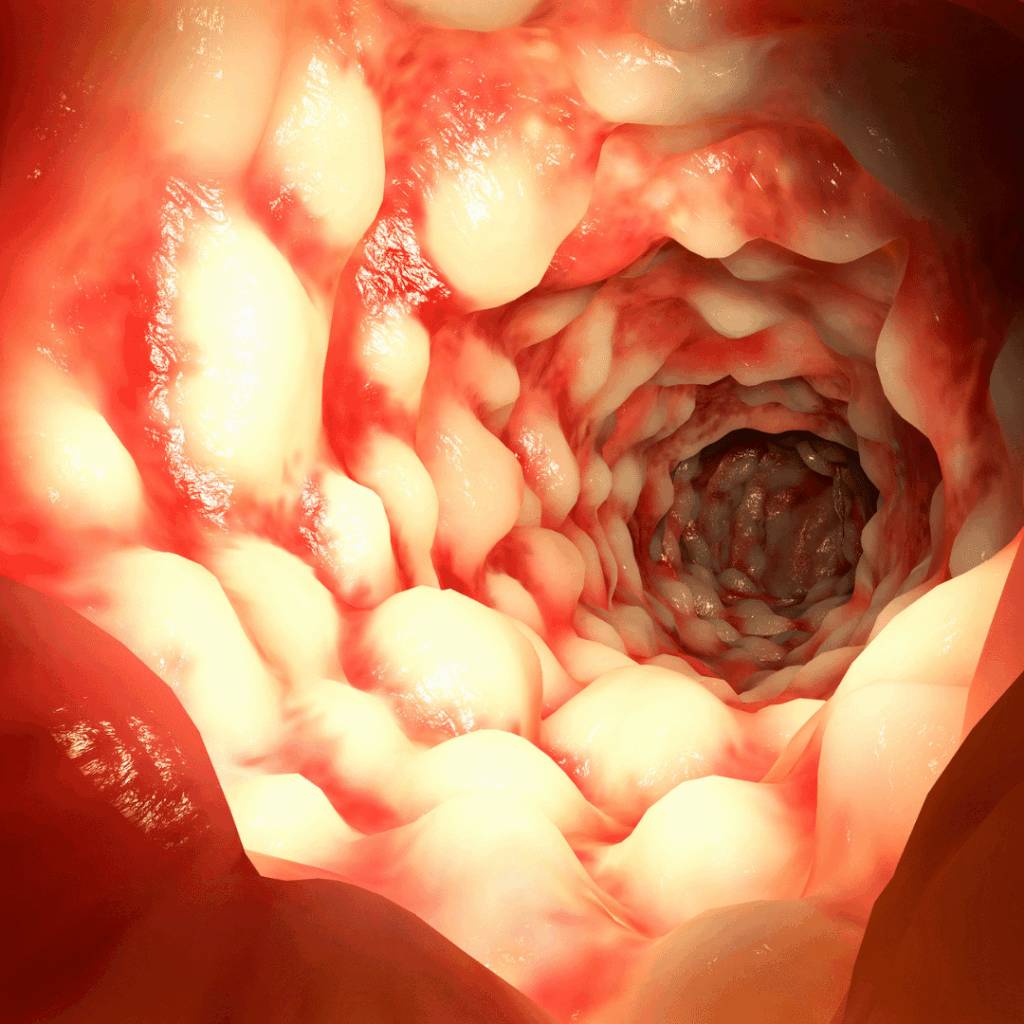
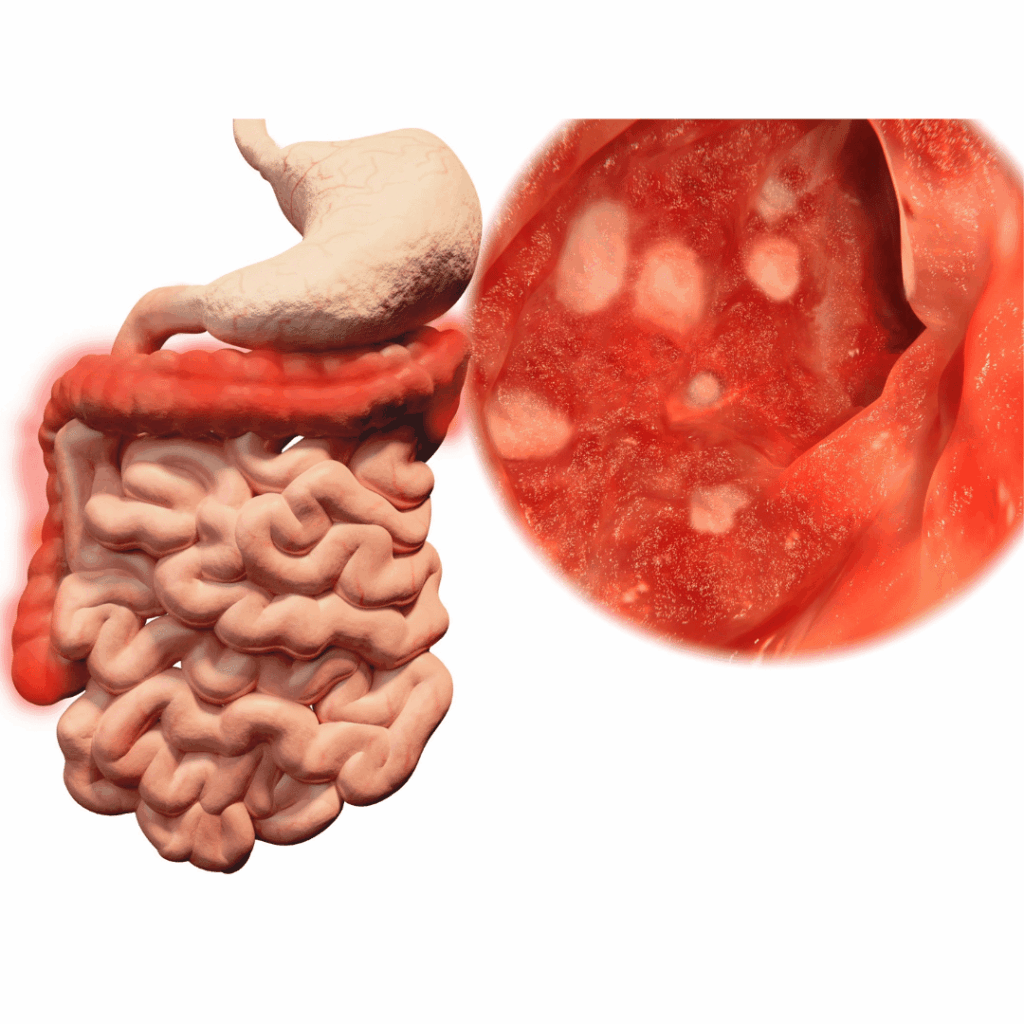
Inflammatory bowel disease (IBD) is chronic digestive tract inflammation causing symptoms like abdominal pain, diarrhea, and weight loss, including Crohn's disease and ulcerative colitis.
Ulcerative colitis is inflammatory bowel disease causing colon and rectum inflammation, with symptoms like diarrhea and abdominal pain.
Now Available: NCLEX Flash Notes eBook
FREE to Download 77 Must-Know Nursing Topics For NCLEX Success
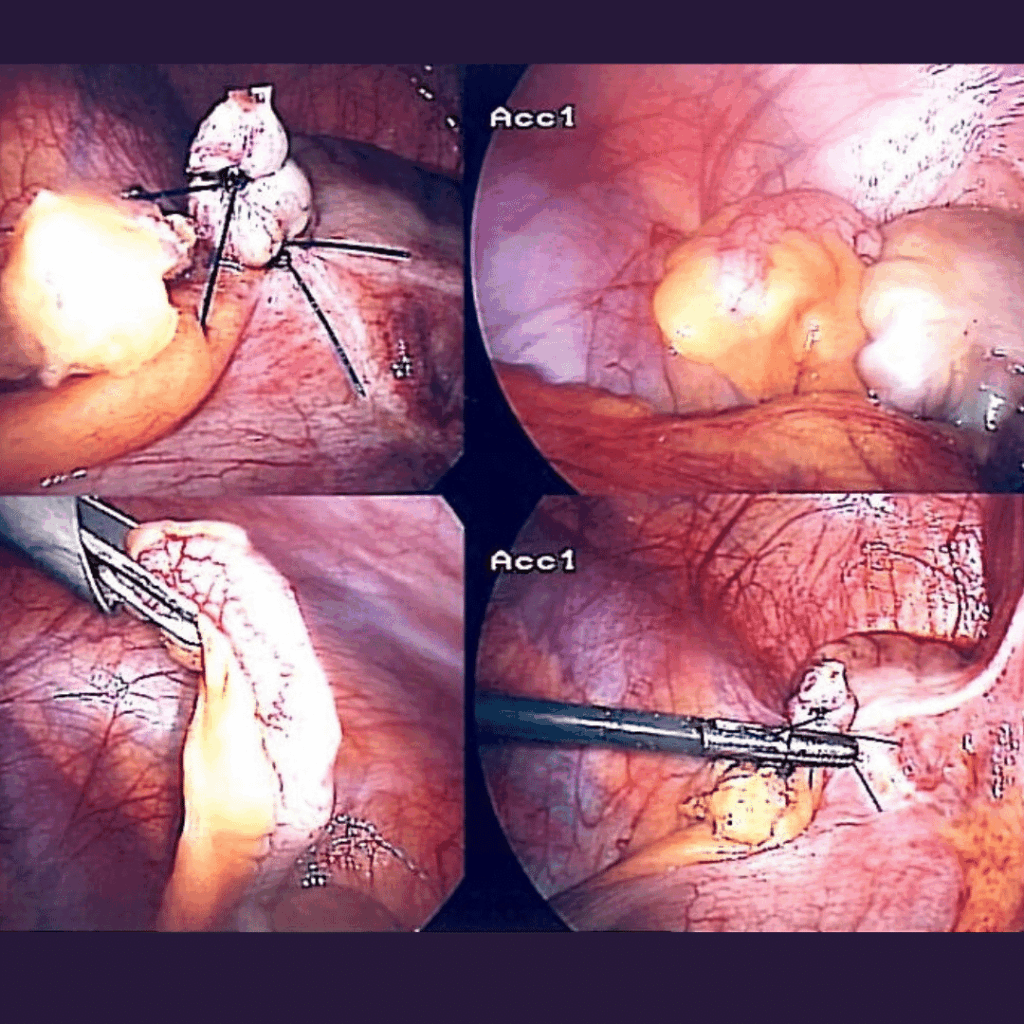
Appendicitis is appendix inflammation causing sudden abdominal pain, nausea, and fever, needing prompt medical care.
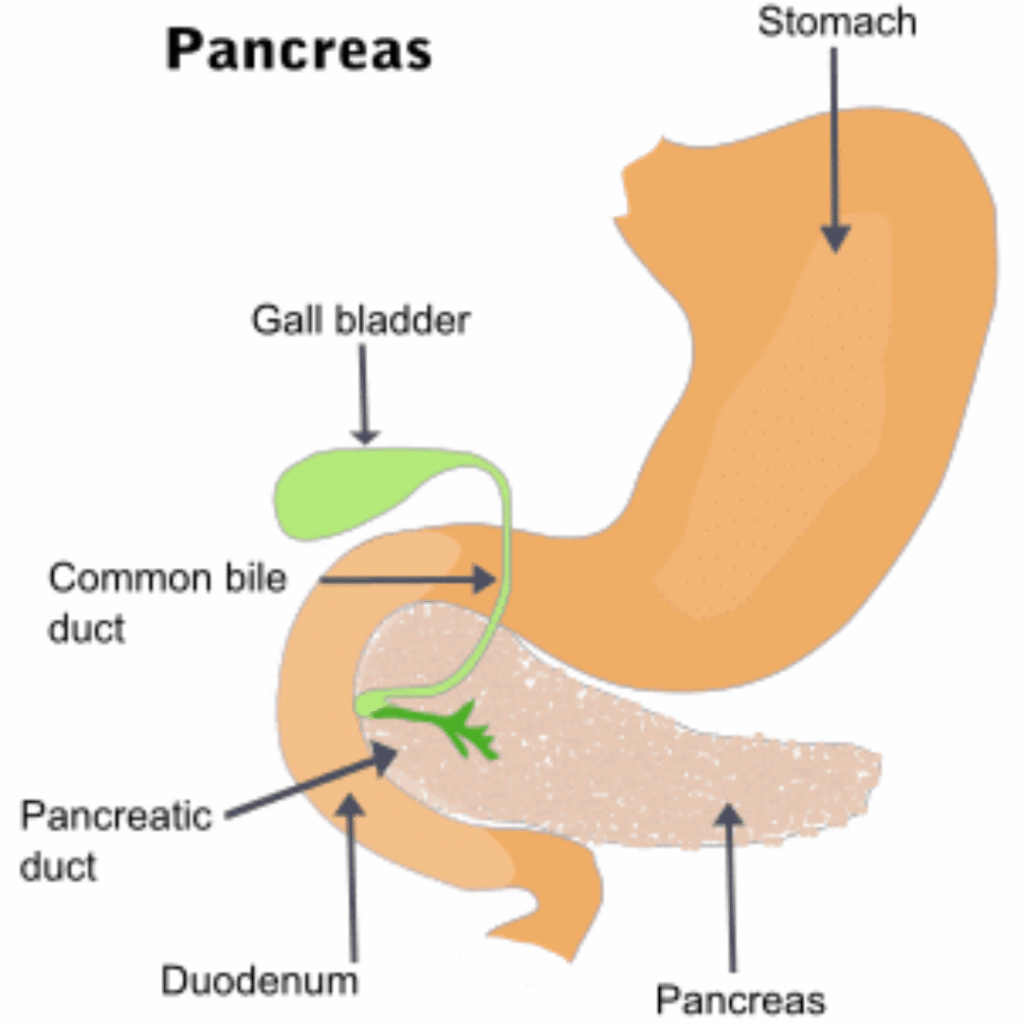
Pancreatitis is pancreas inflammation causing abdominal pain, nausea, and serious complications, often due to factors like gallstones or alcohol.
Hepatitis is inflammation of the liver, typically caused by viral infections, toxins, or autoimmune disorders, leading to symptoms like jaundice, fatigue, and abdominal pain.
Burn injuries occur from heat, chemicals, or other sources, damaging skin and underlying tissues, classified as first, second, or third-degree burns based on severity.
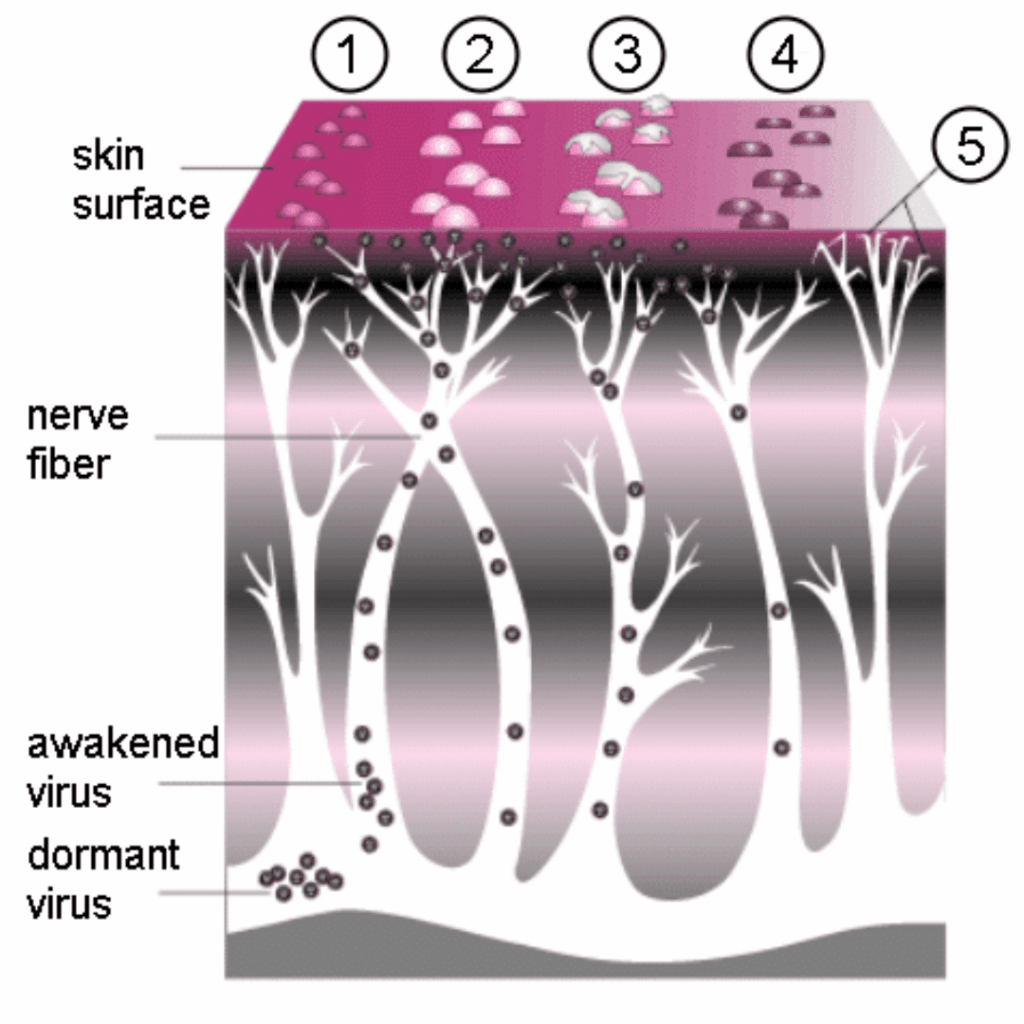
Herpes zoster, or shingles, is a painful viral infection causing a rash with blisters along a nerve path, often accompanied by pain and itching.
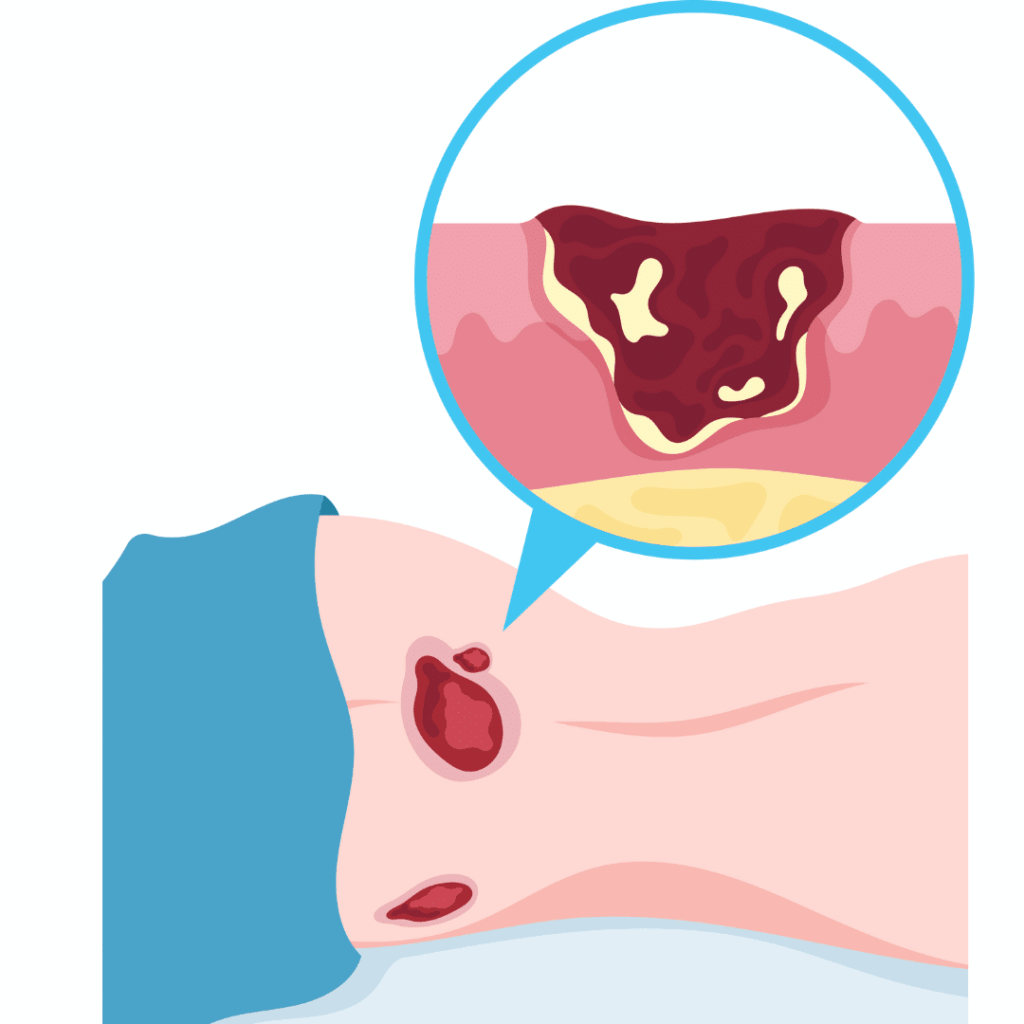
Pressure ulcers are skin and tissue injuries caused by prolonged pressure, common in individuals with limited mobility.
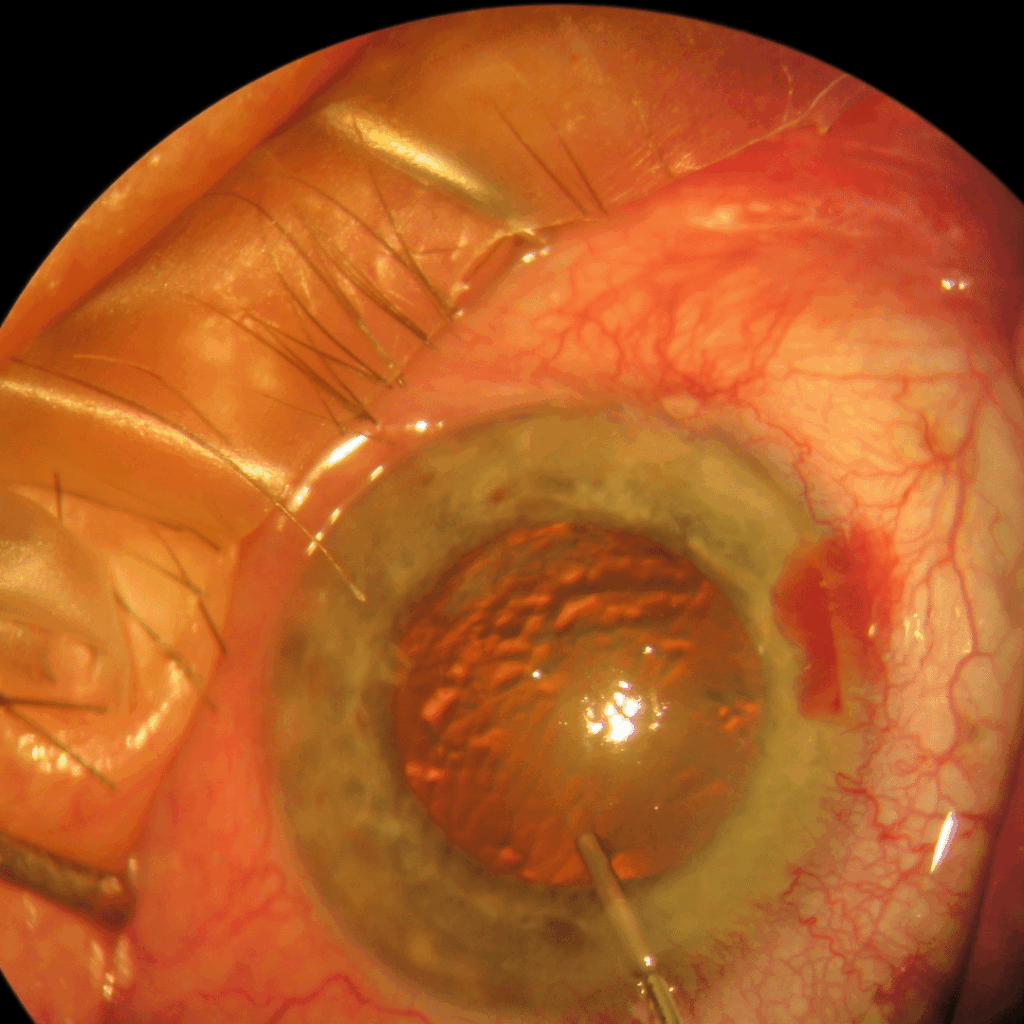
Cataracts are clouding of the lens in the eye, leading to blurred vision, often related to aging, UV exposure, or certain medical conditions.
Now Available: NCLEX Flash Notes eBook
FREE to Download 77 Must-Know Nursing Topics For NCLEX Success
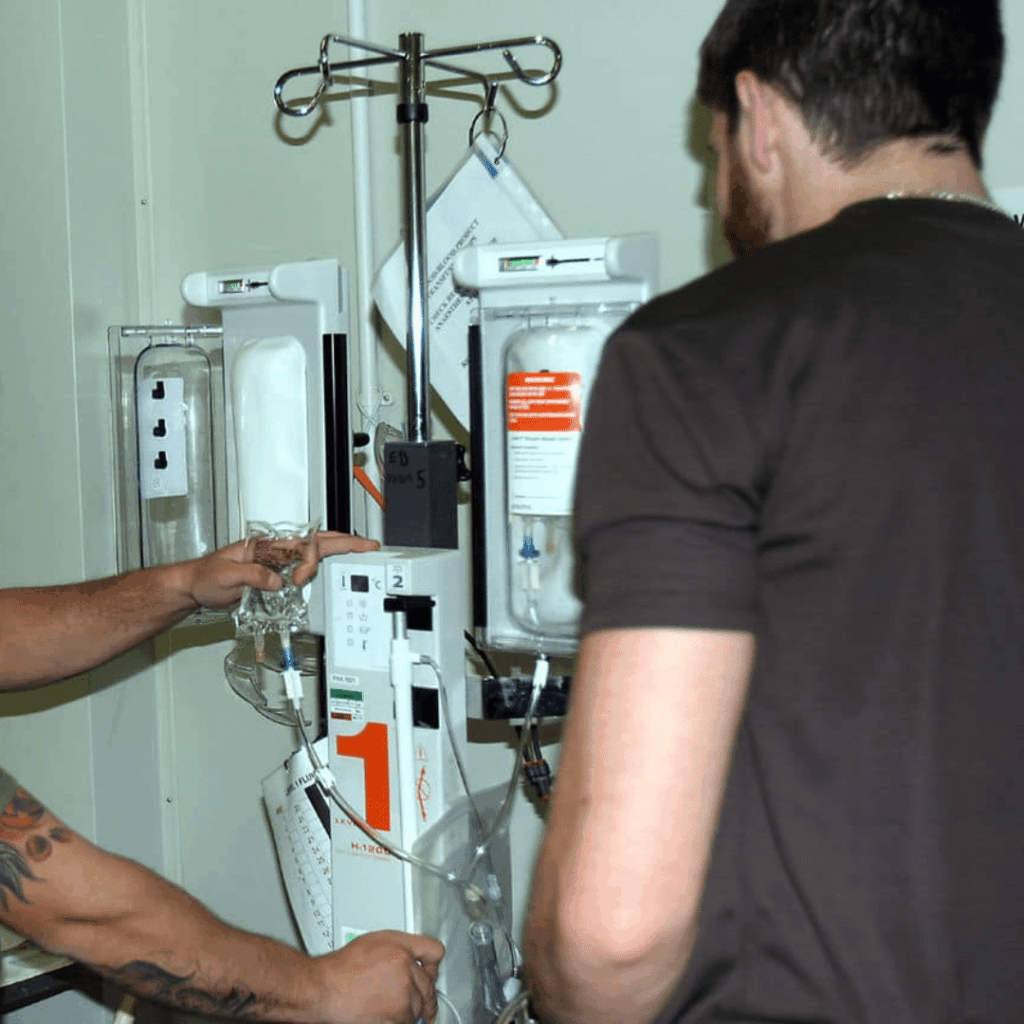
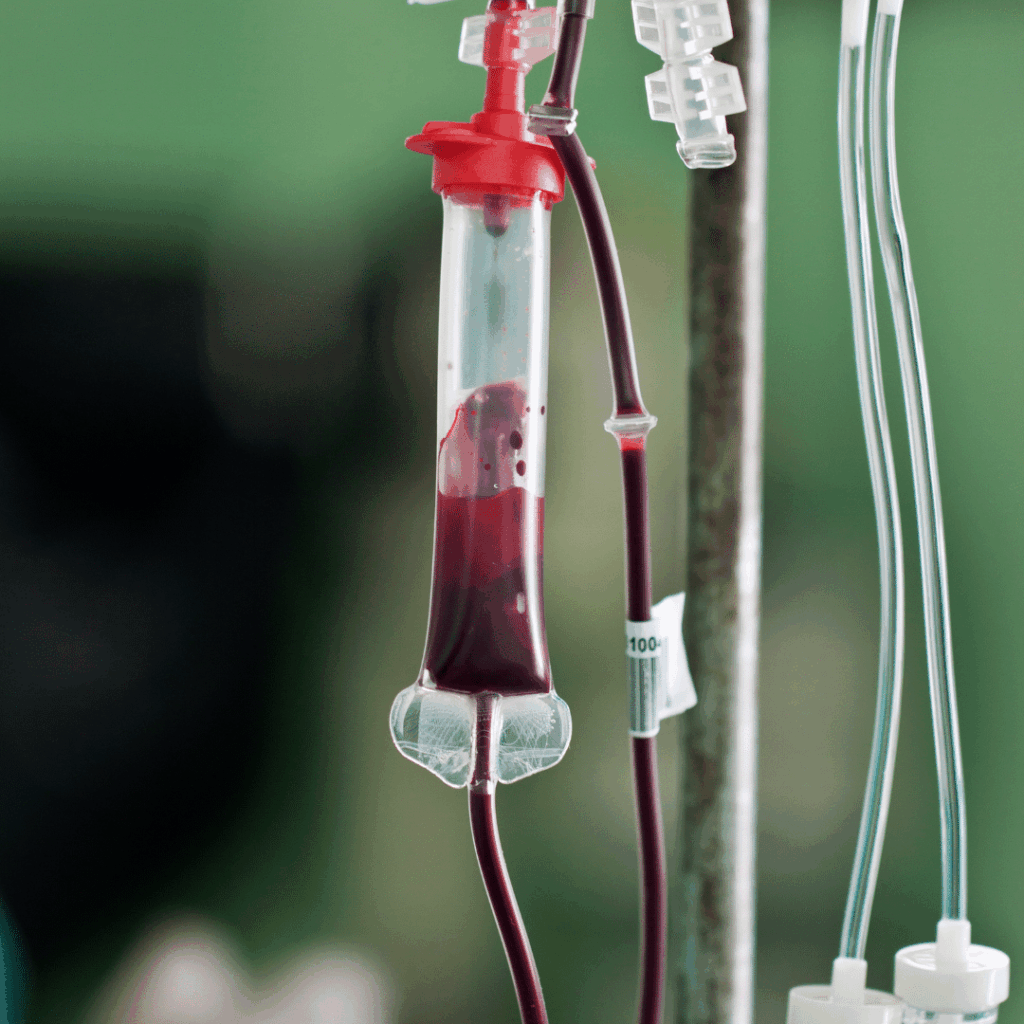
Blood transfusions transfer donated blood components to patients, addressing volume, oxygen, or bleeding needs in various medical situations.
AIDS is the advanced stage of HIV infection, weakening the immune system and causing vulnerability to infections and cancers.
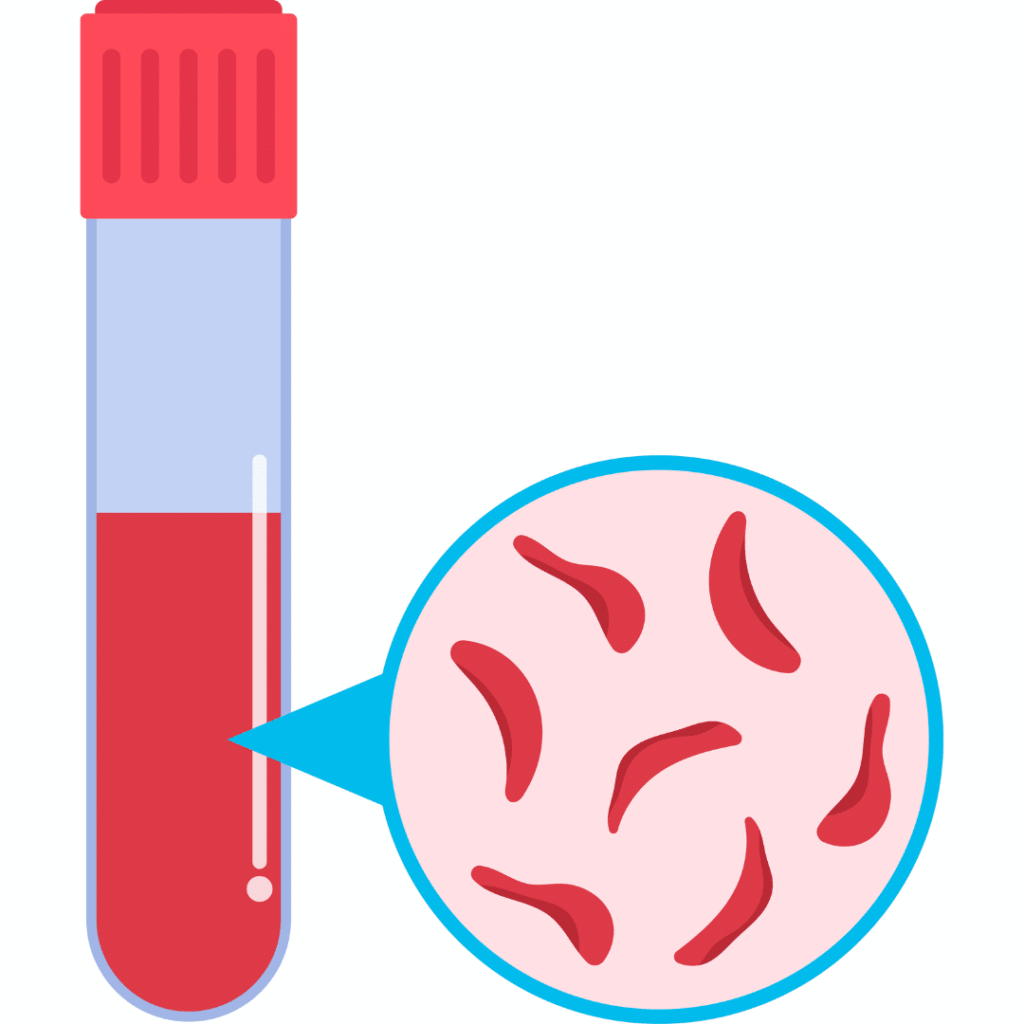
Sickle cell anemia is a genetic disorder causing red blood cells to become sickle-shaped, leading to pain, blocked vessels, and complications due to a hemoglobin gene mutation.
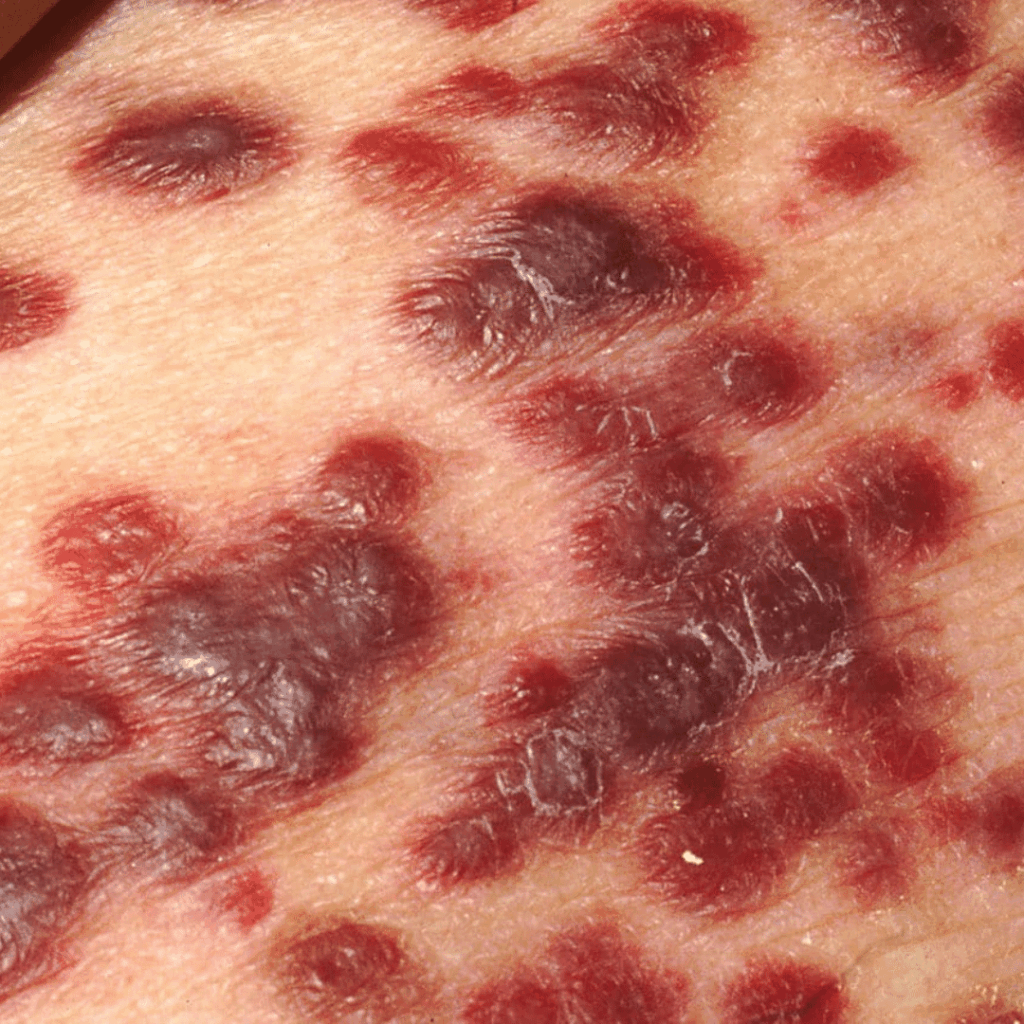
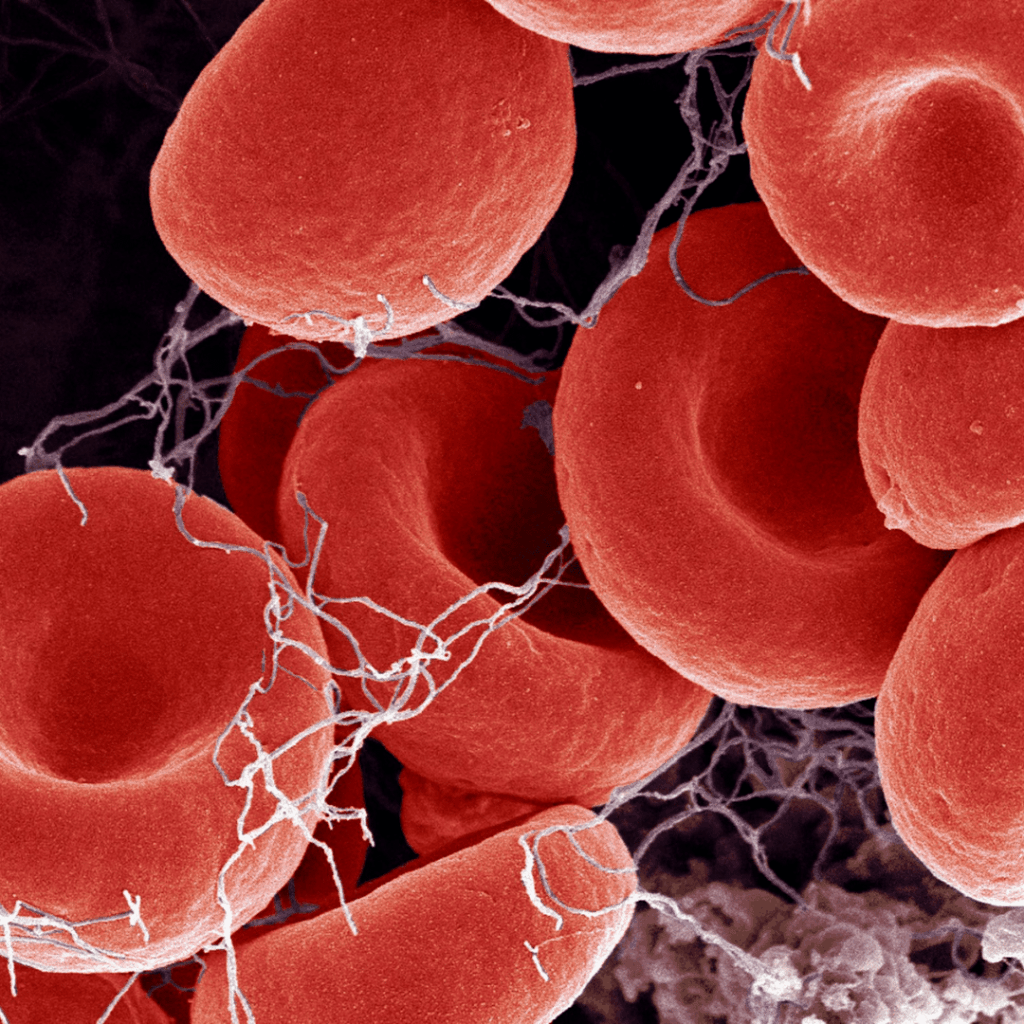
DIC (Disseminated Intravascular Coagulation) is a disorder causing both excessive blood clotting and bleeding, often due to underlying conditions like infections or trauma.
Anaphylaxis is a severe allergic reaction causing rapid symptoms like breathing difficulty, hives, swelling, and low blood pressure, needing urgent medical treatment including epinephrine.
Now Available: NCLEX Flash Notes eBook
FREE to Download 77 Must-Know Nursing Topics For NCLEX Success
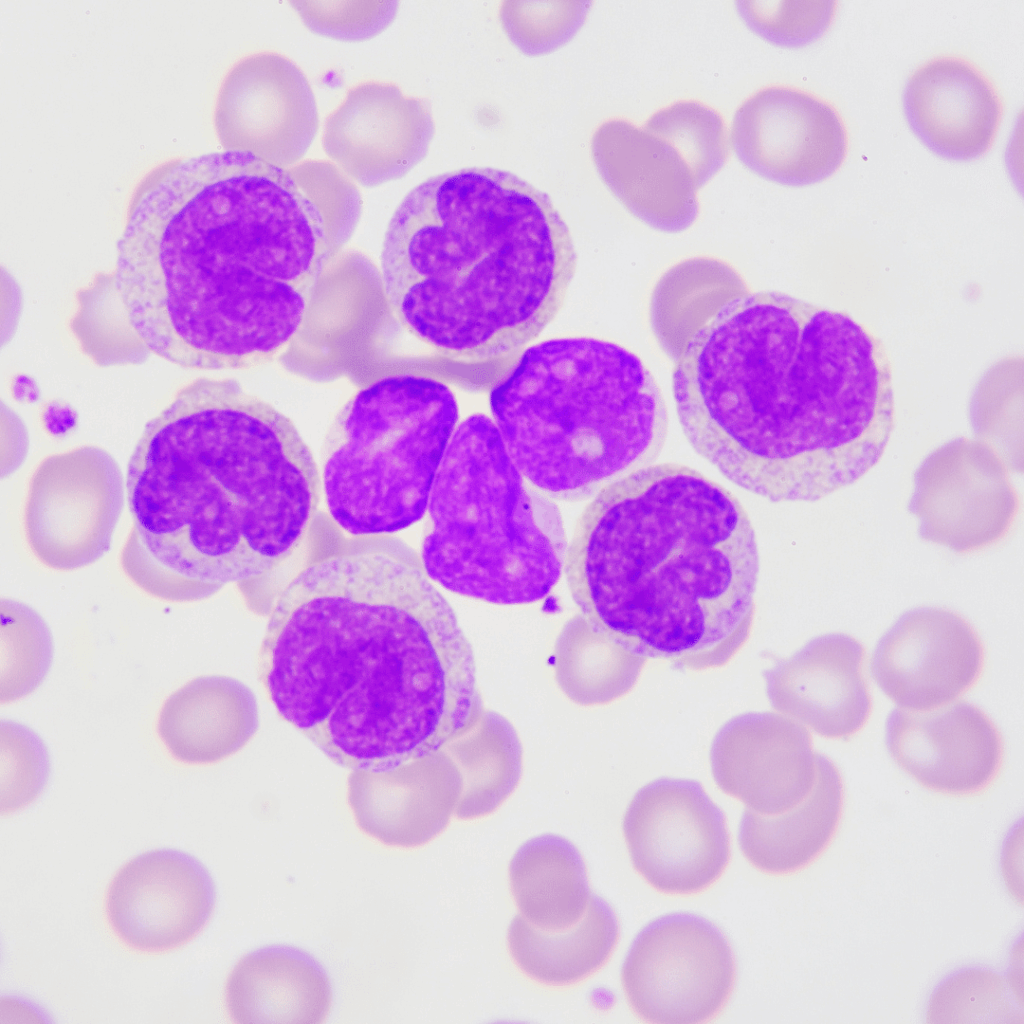
Leukemia is blood and bone marrow cancer causing overproduction of abnormal white blood cells, leading to fatigue, infections, and bleeding.
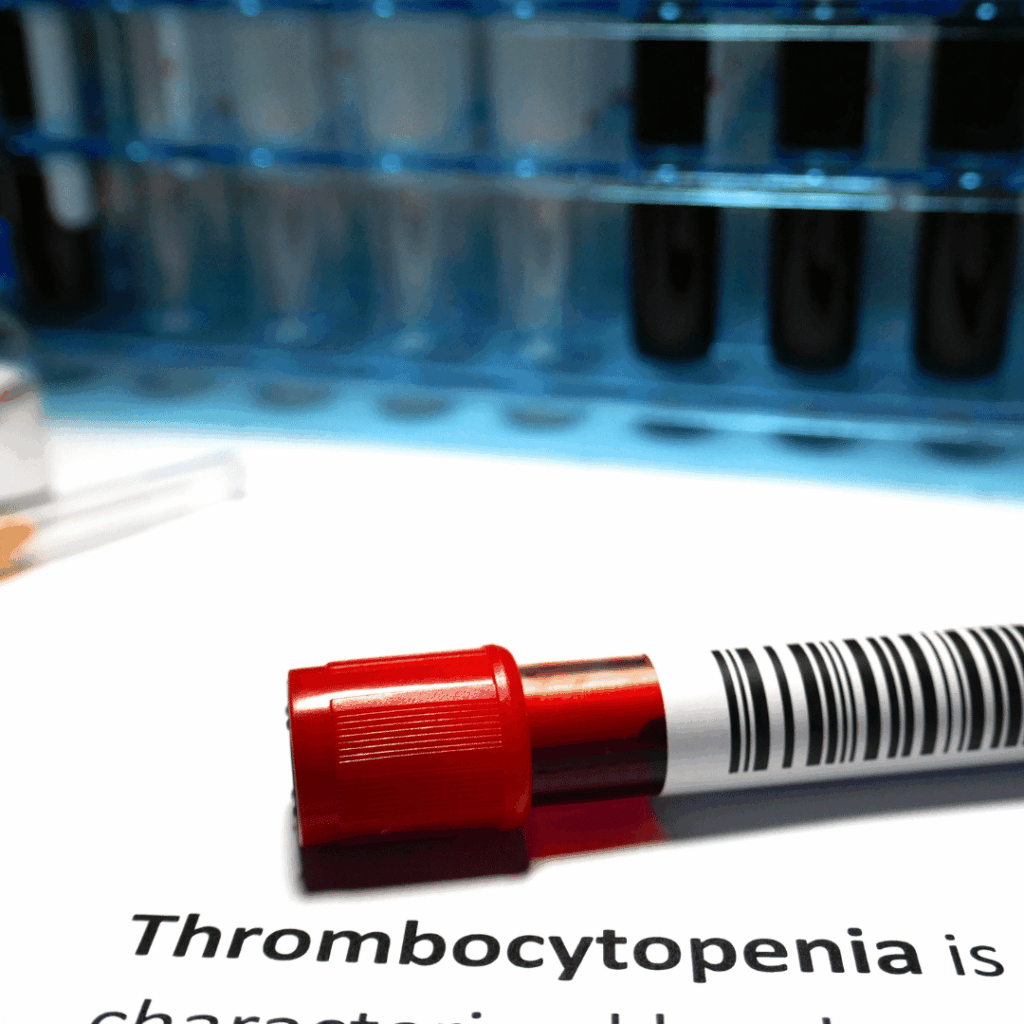
Thrombocytopenia is a condition involving low platelet counts in the blood, leading to an increased risk of bleeding and easy bruising.
Lymphoma is a cancer originating from lymphocytes, causing abnormal growth in lymph nodes, with symptoms like swollen glands, fatigue, and weight loss.
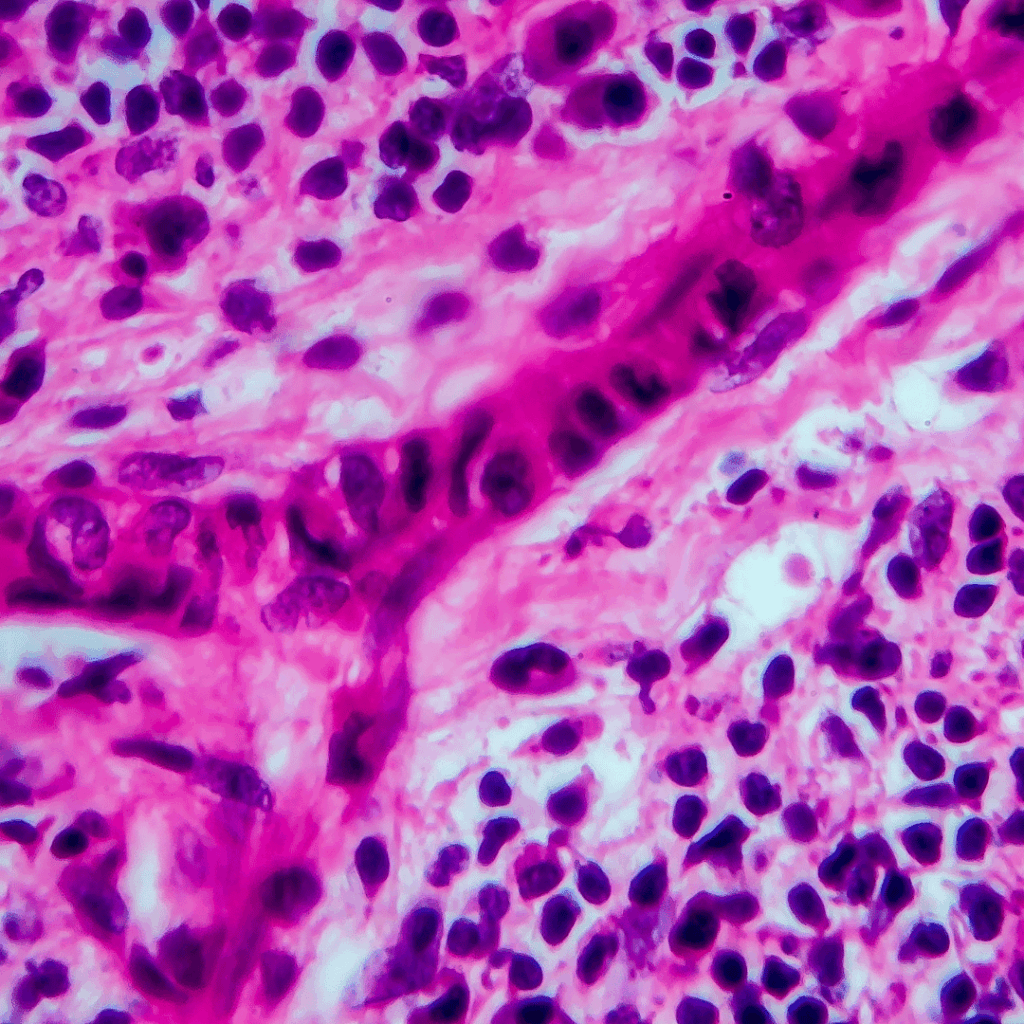
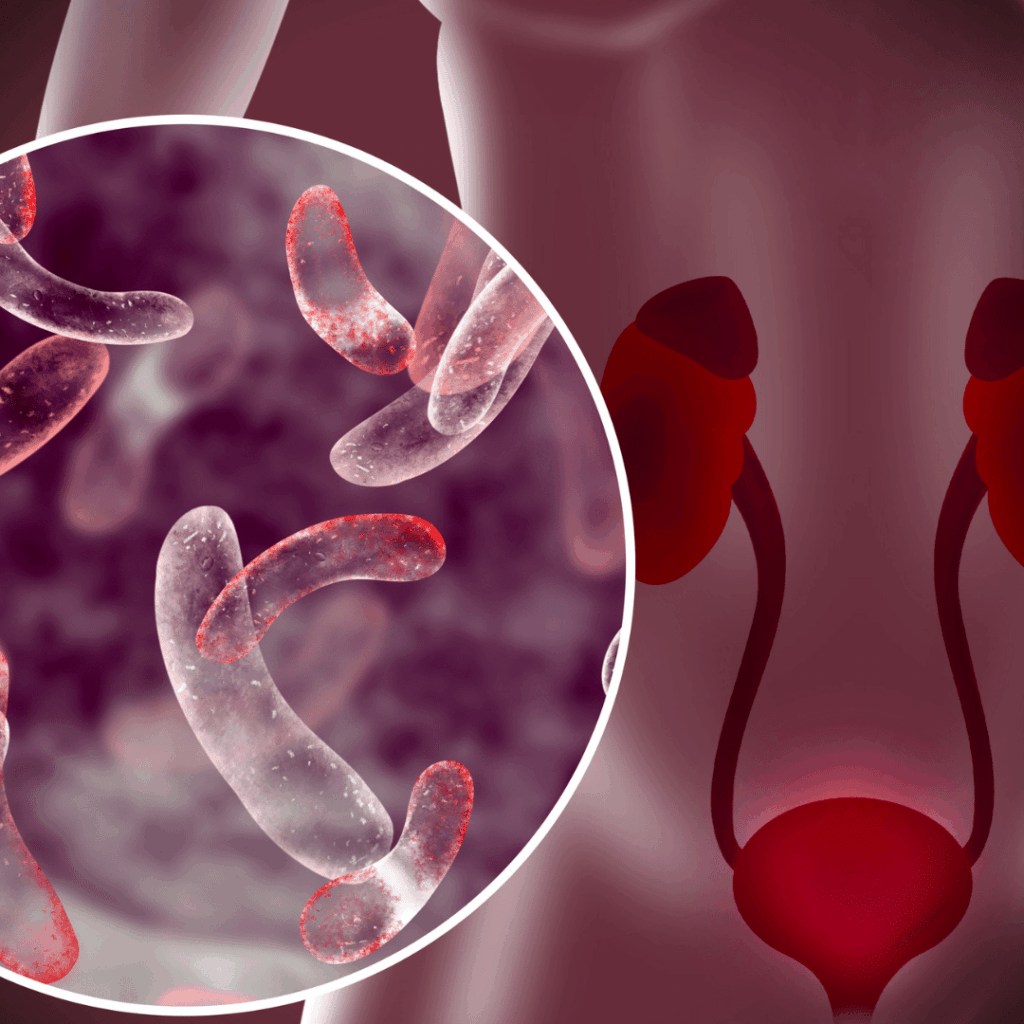
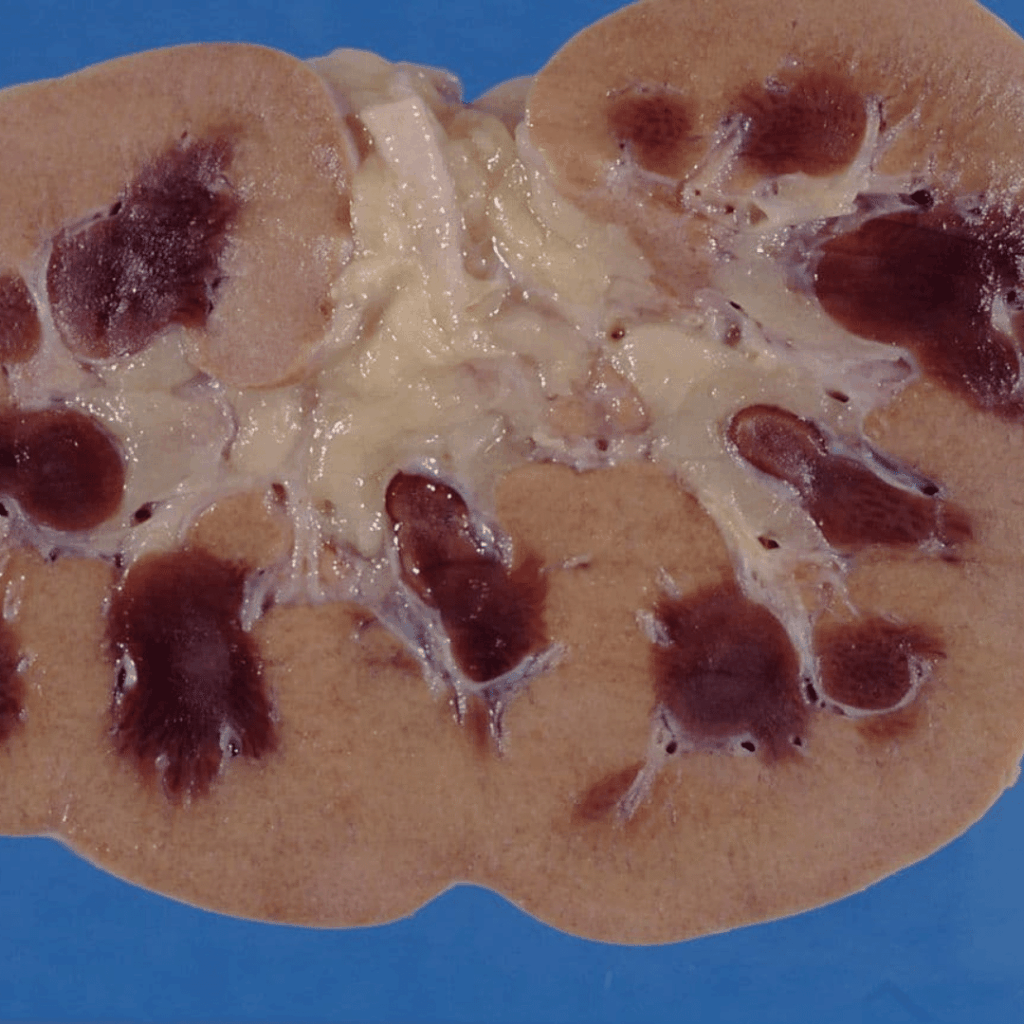
A Urinary Tract Infection (UTI) is a bacterial infection that affects any part of the urinary system, causing symptoms such as pain, frequent urination, and discomfort.
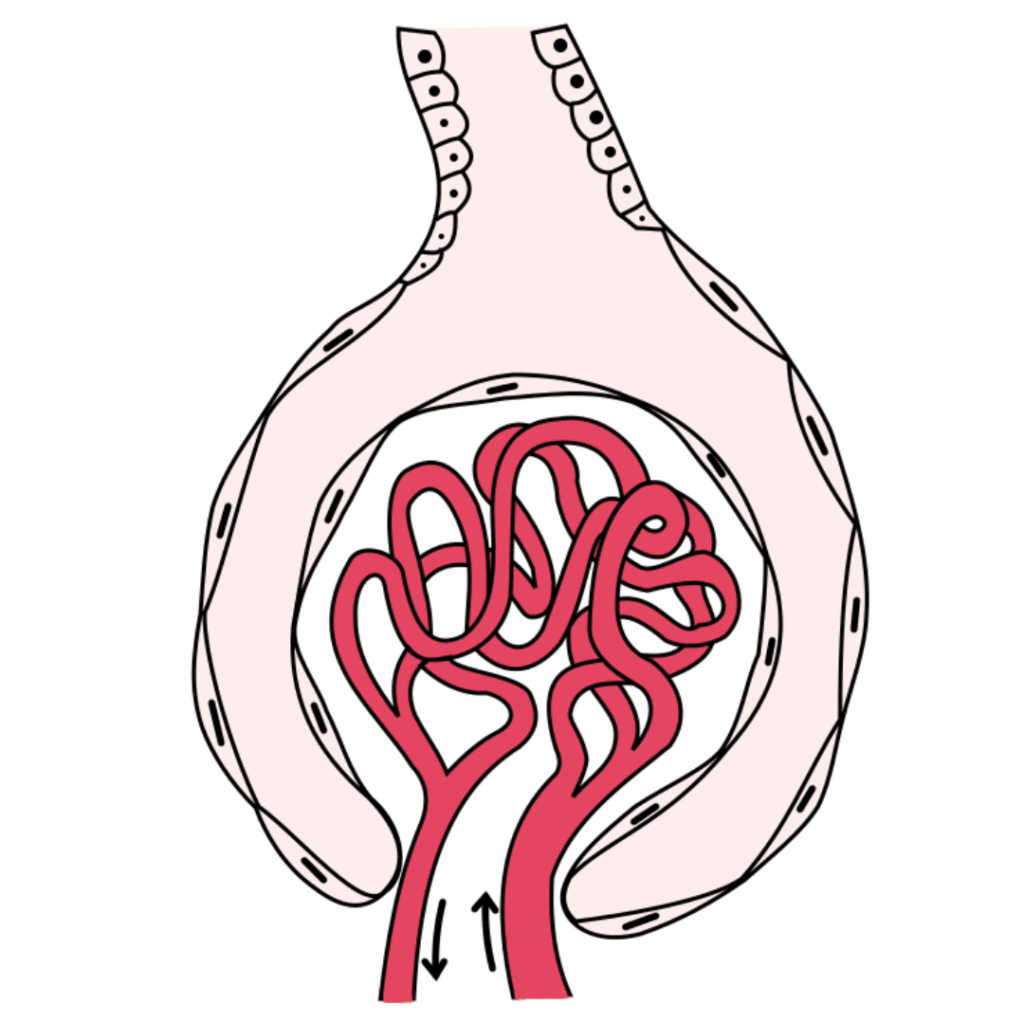
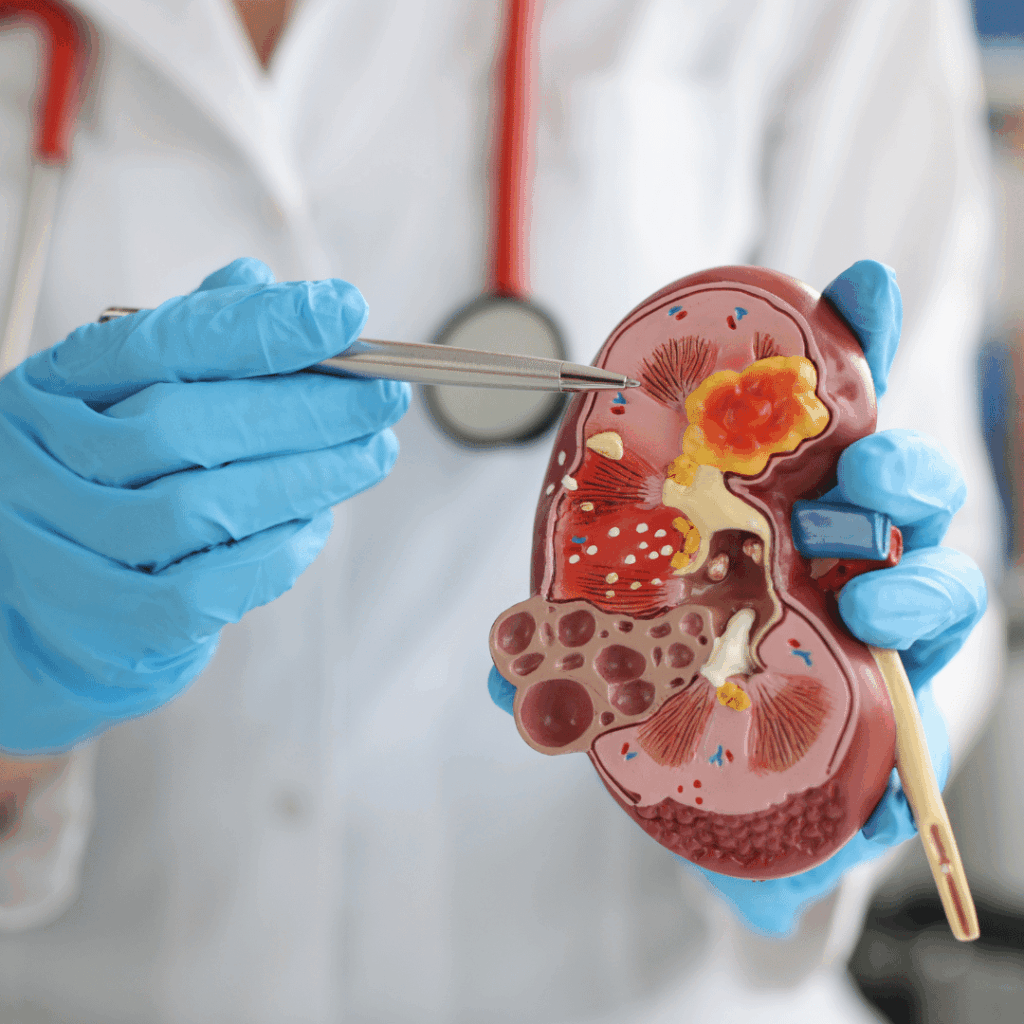
Acute Kidney Injury (AKI) is a sudden and often reversible loss of kidney function, marked by a rapid decline in the kidneys' ability to filter waste and fluids from the blood.
Chronic Kidney Disease (CKD) is a long-term condition where the kidneys gradually lose their ability to filter waste and excess fluids from the blood, leading to the buildup of toxins and fluid imbalances in the body.
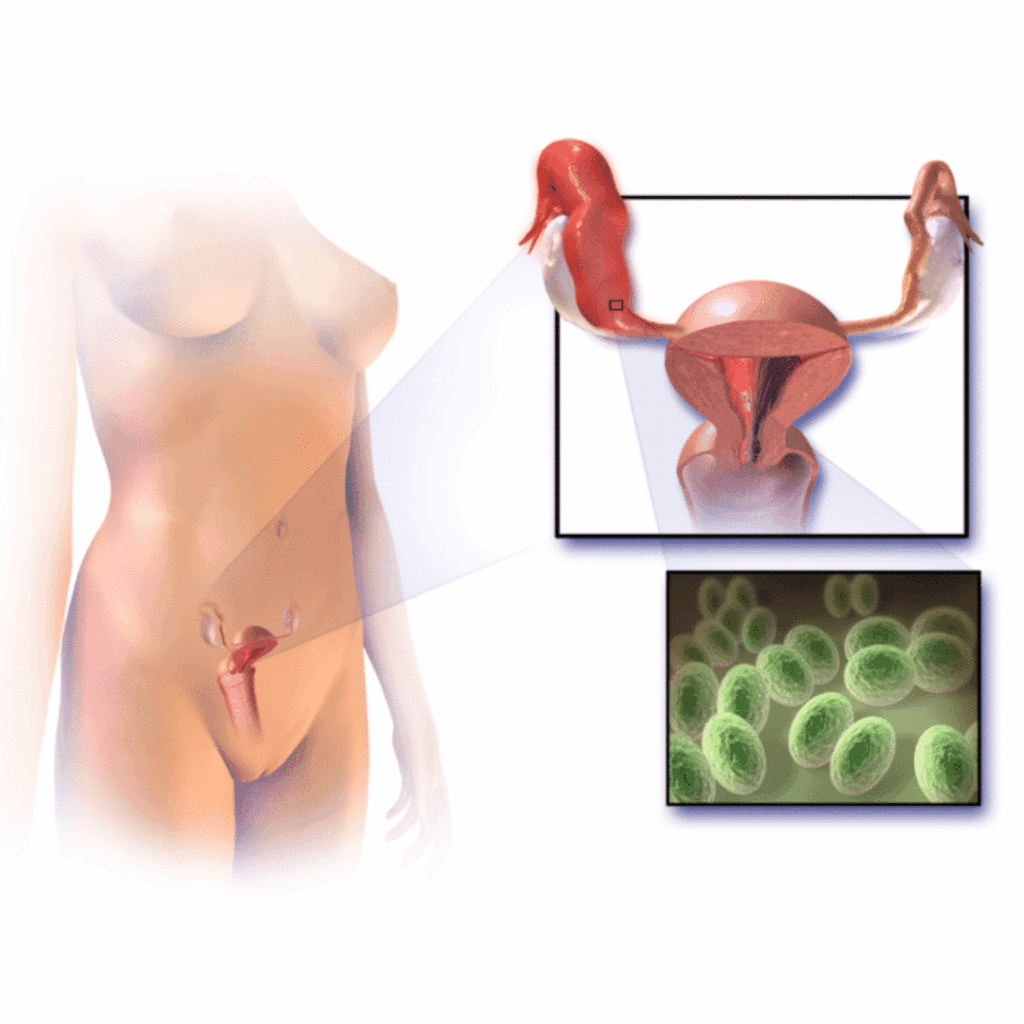
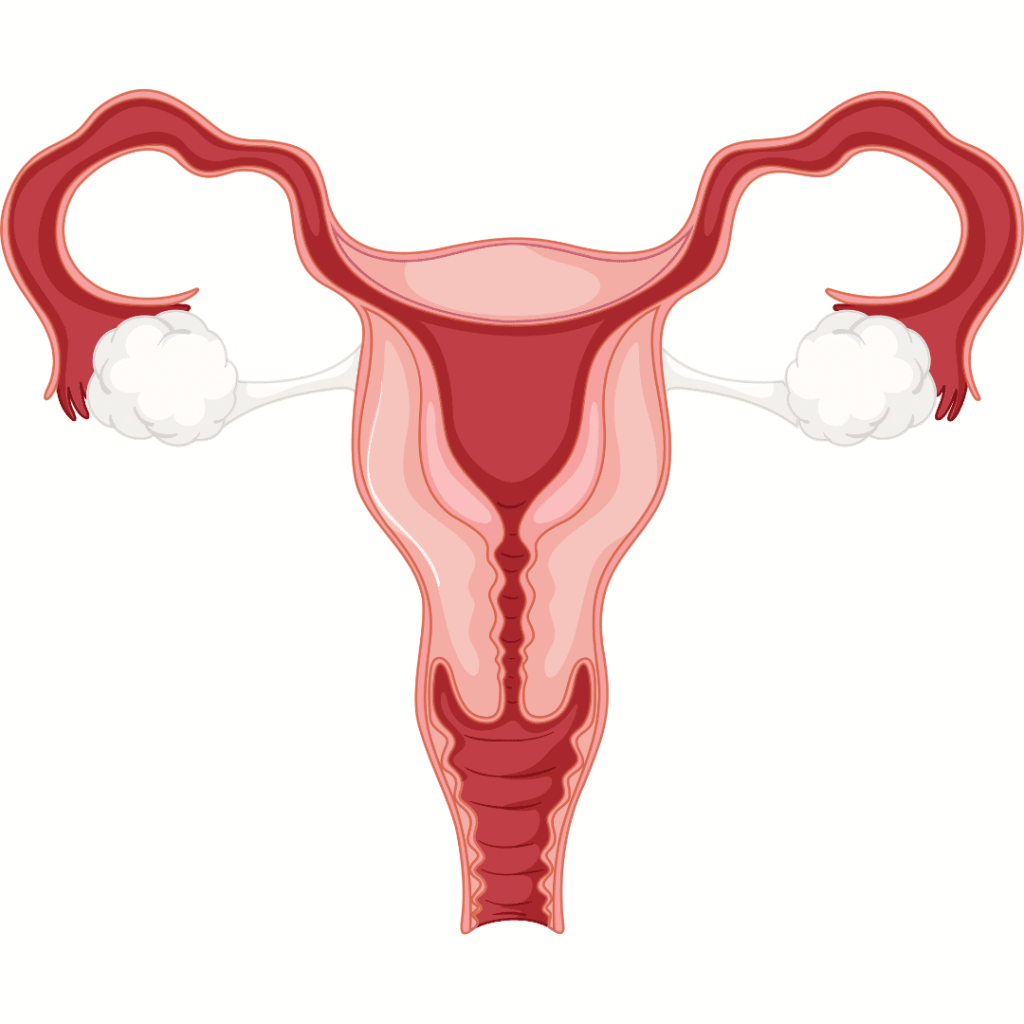
Pelvic Inflammatory Disease (PID) is an infection of the female reproductive organs, usually caused by sexually transmitted bacteria, leading to inflammation and potential long-term complications.
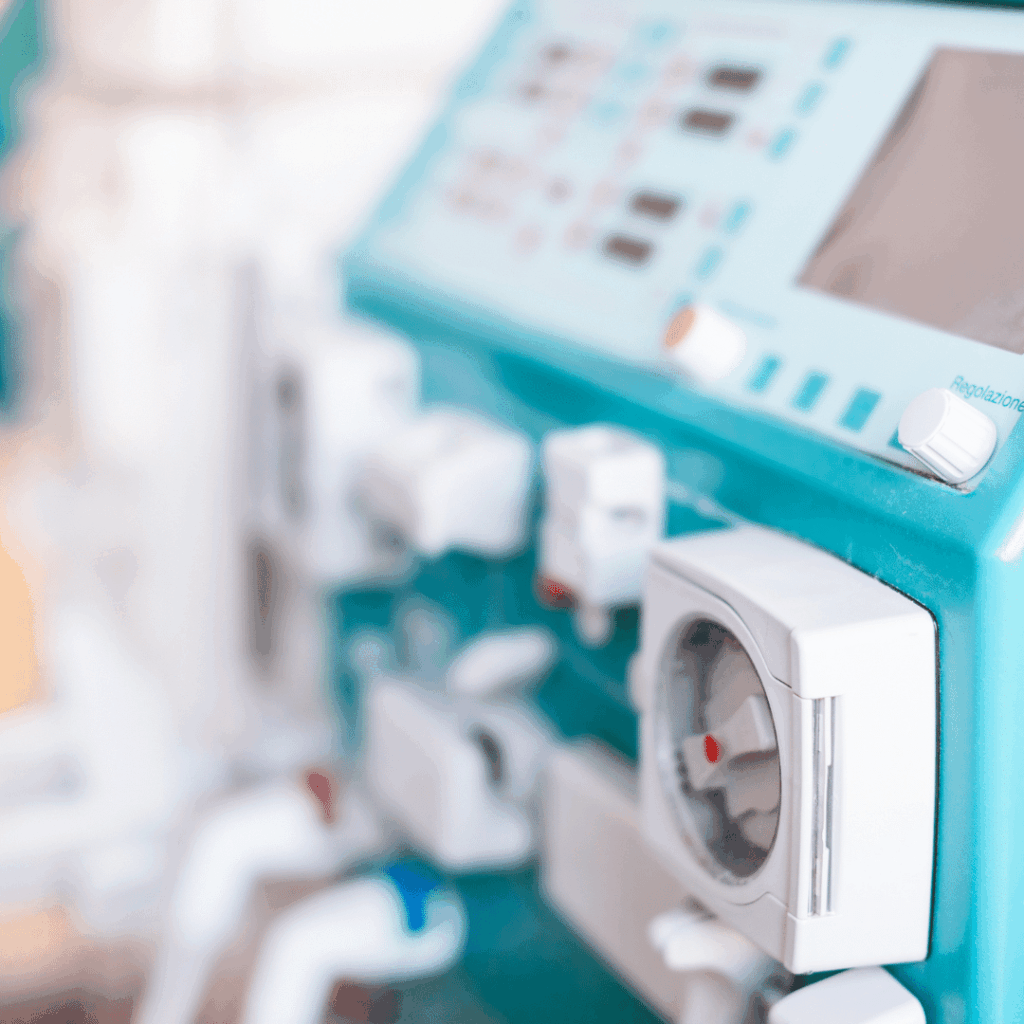
Dialysis is a medical procedure that artificially performs the functions of the kidneys by filtering and purifying the blood when the kidneys are unable to do so effectively, usually due to kidney failure or severe kidney disease.
Now Available: NCLEX Flash Notes eBook
FREE to Download 77 Must-Know Nursing Topics For NCLEX Success
Menopause is a natural biological process in a woman's life, typically occurring in her late 40s to early 50s, marked by the cessation of menstrual periods and a decrease in reproductive hormone production, leading to various physical and hormonal changes.
Addison's disease is a rare condition where the adrenal glands don't produce enough hormones, causing fatigue, weight loss, and other health issues.
Cushing's syndrome is a condition resulting from prolonged exposure to high levels of the hormone cortisol, leading to various symptoms such as weight gain, high blood pressure, and changes in body composition.
Diabetic ketoacidosis (DKA) is a serious complication of diabetes characterized by high blood sugar levels, ketone production, and metabolic acidosis, potentially leading to a life-threatening condition if not treated promptly.
Diabetes insipidus is a rare disorder where the body has trouble regulating fluid balance, leading to excessive thirst and urination due to inadequate production or response to the hormone vasopressin.
Diabetes mellitus is a chronic metabolic disorder characterized by high blood sugar levels due to insufficient insulin production (Type 1) or ineffective use of insulin (Type 2), leading to various health complications over time.
Now Available: NCLEX Flash Notes eBook
FREE to Download 77 Must-Know Nursing Topics For NCLEX Success
HHNS (Hyperosmolar Hyperglycemic Nonketotic Syndrome) is a diabetes complication with very high blood sugar, severe dehydration, and potential mental changes, needing urgent medical attention.
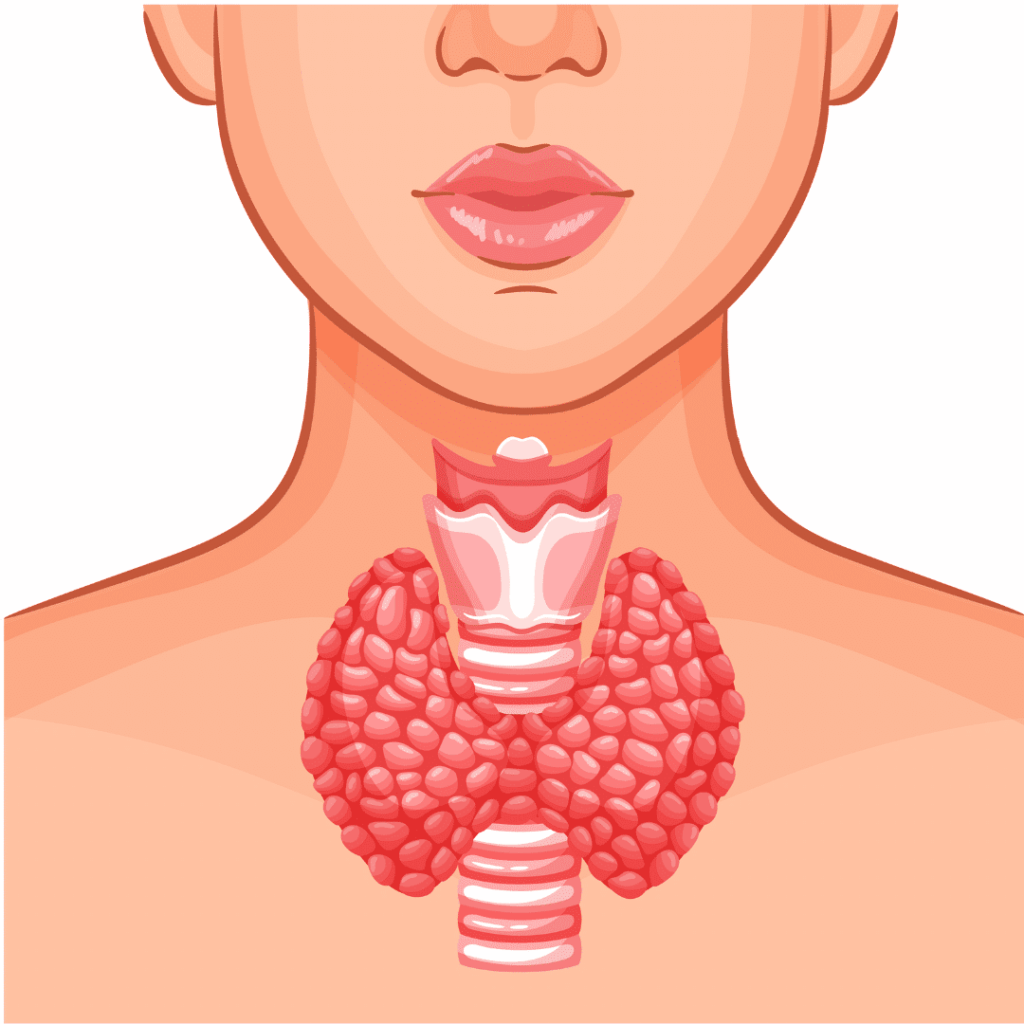
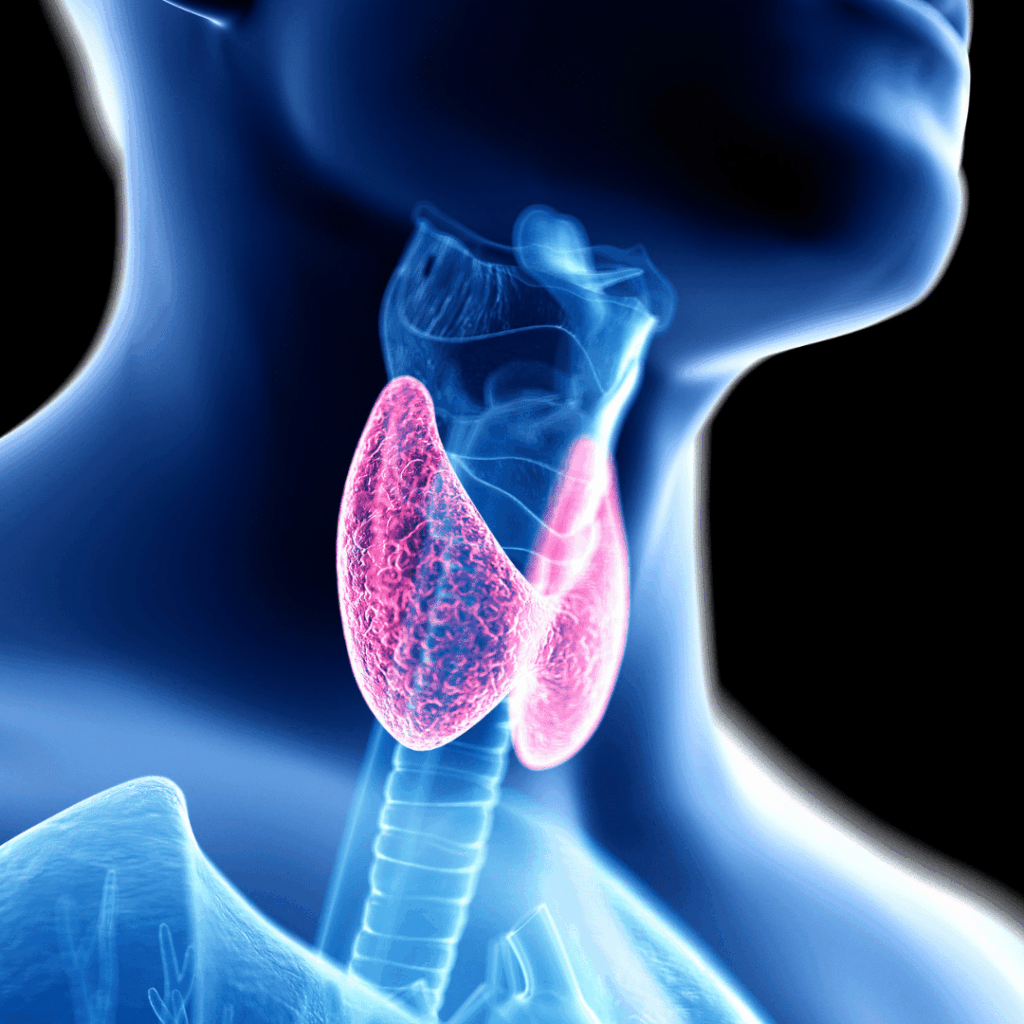
Hyperthyroidism is a condition where the thyroid gland produces excessive thyroid hormones, leading to symptoms such as increased metabolism, weight loss, rapid heartbeat, and nervousness.
Hypothyroidism is a condition where the thyroid gland doesn't produce enough thyroid hormones, causing symptoms like fatigue, weight gain, cold sensitivity, and sluggishness.
SIADH stands for Syndrome of Inappropriate Antidiuretic Hormone secretion, a disorder where the body releases too much antidiuretic hormone, causing excessive water retention, low sodium levels, and potential complications like fluid imbalances and neurological issues.
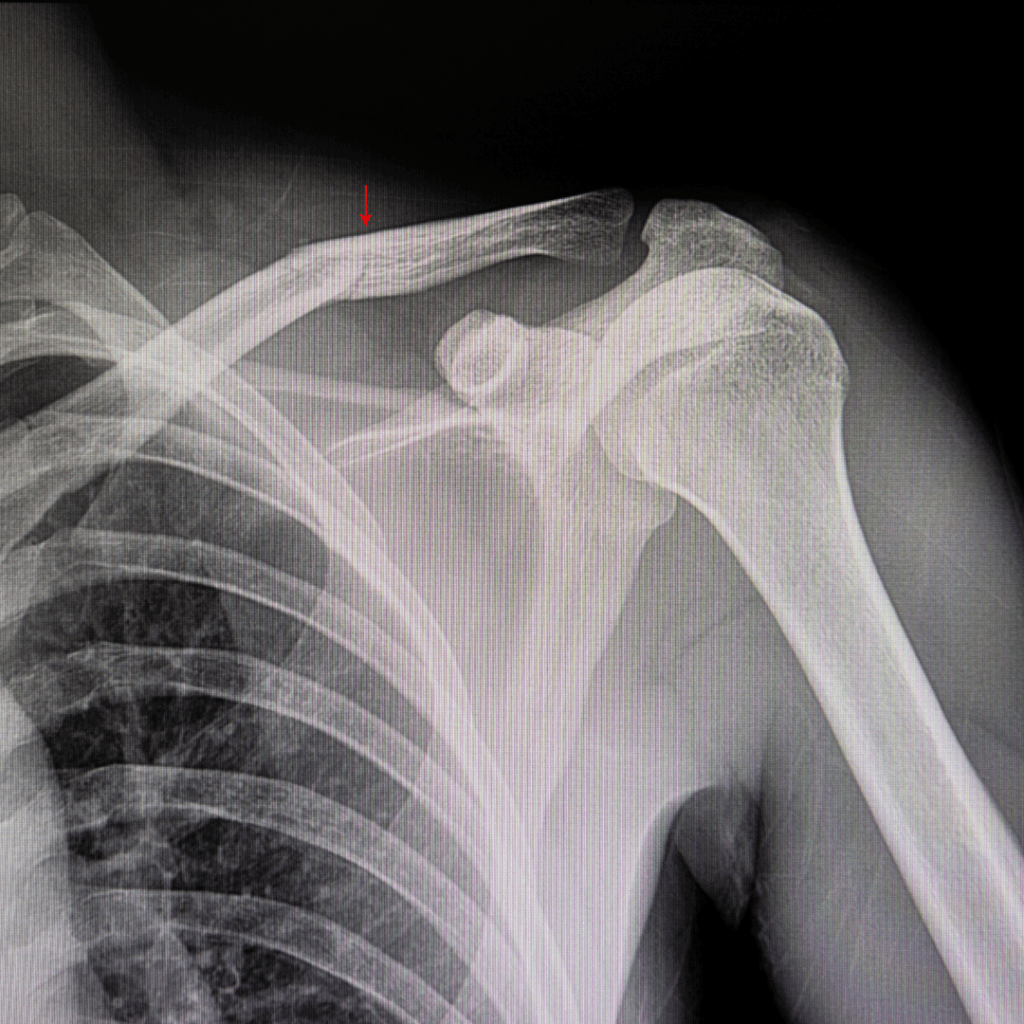
Fractures are broken bones resulting from injuries, accidents, or stress, which can range from minor cracks to complete breaks and require medical attention for proper healing.
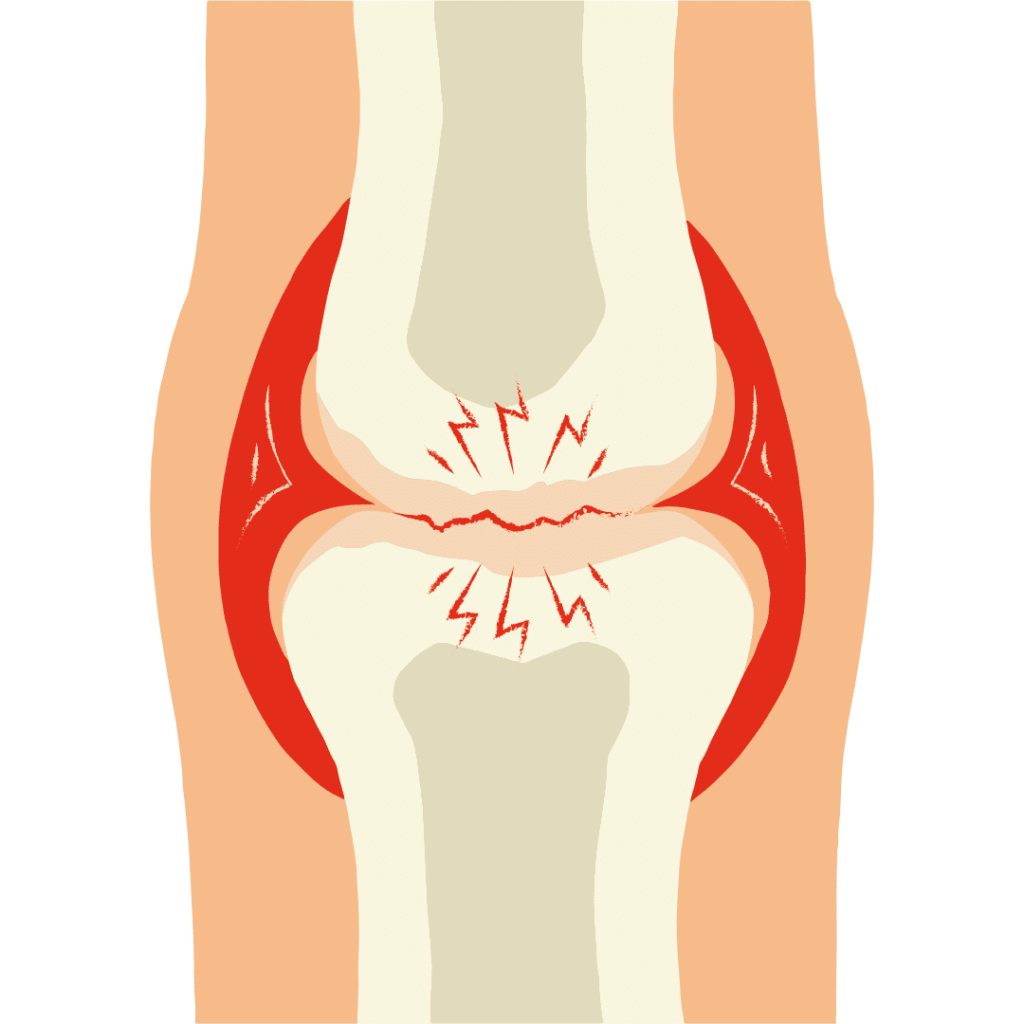
Osteoarthritis is a degenerative joint disease characterized by the gradual breakdown of cartilage, leading to joint pain, stiffness, and reduced mobility, often associated with aging and wear and tear.
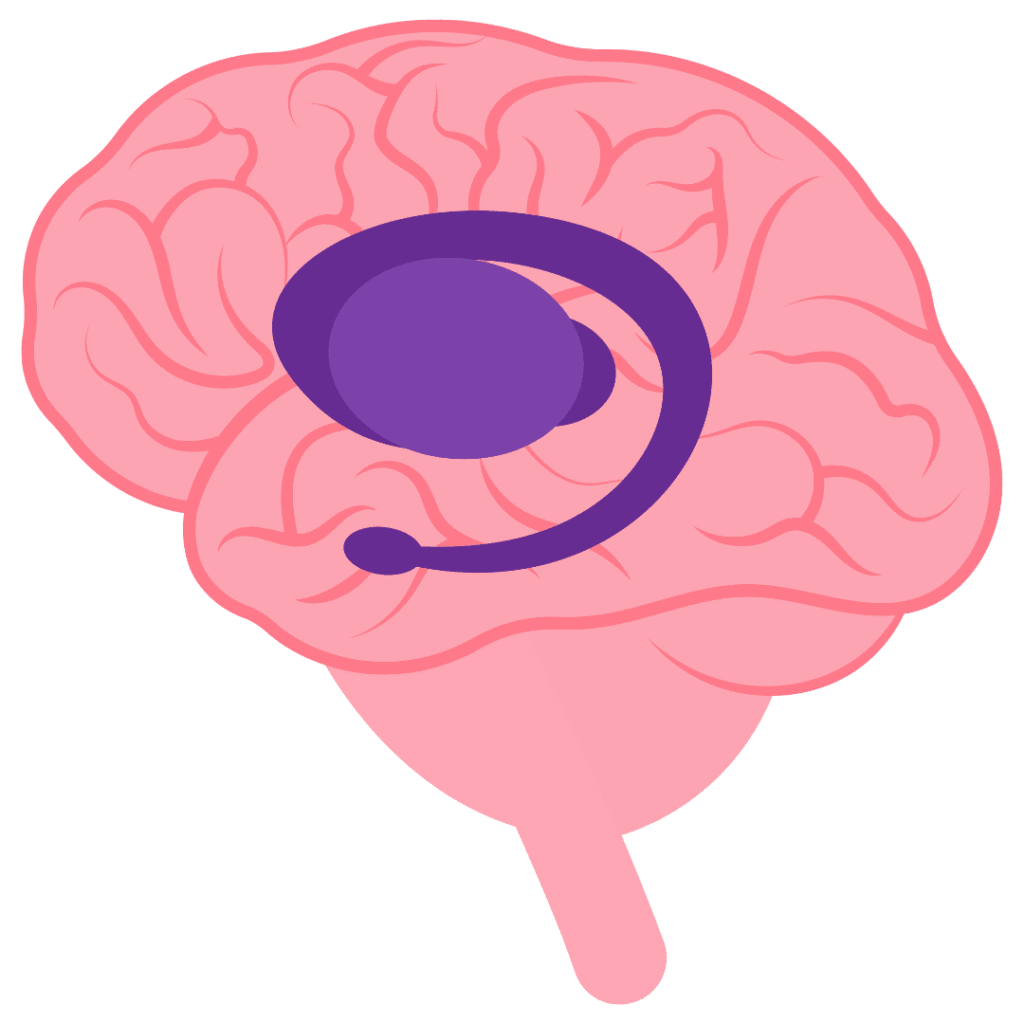
Parkinson's disease is a neurodegenerative disorder that affects movement and is characterized by tremors, muscle rigidity, slow movement, and impaired balance, caused by a lack of dopamine-producing cells in the brain.
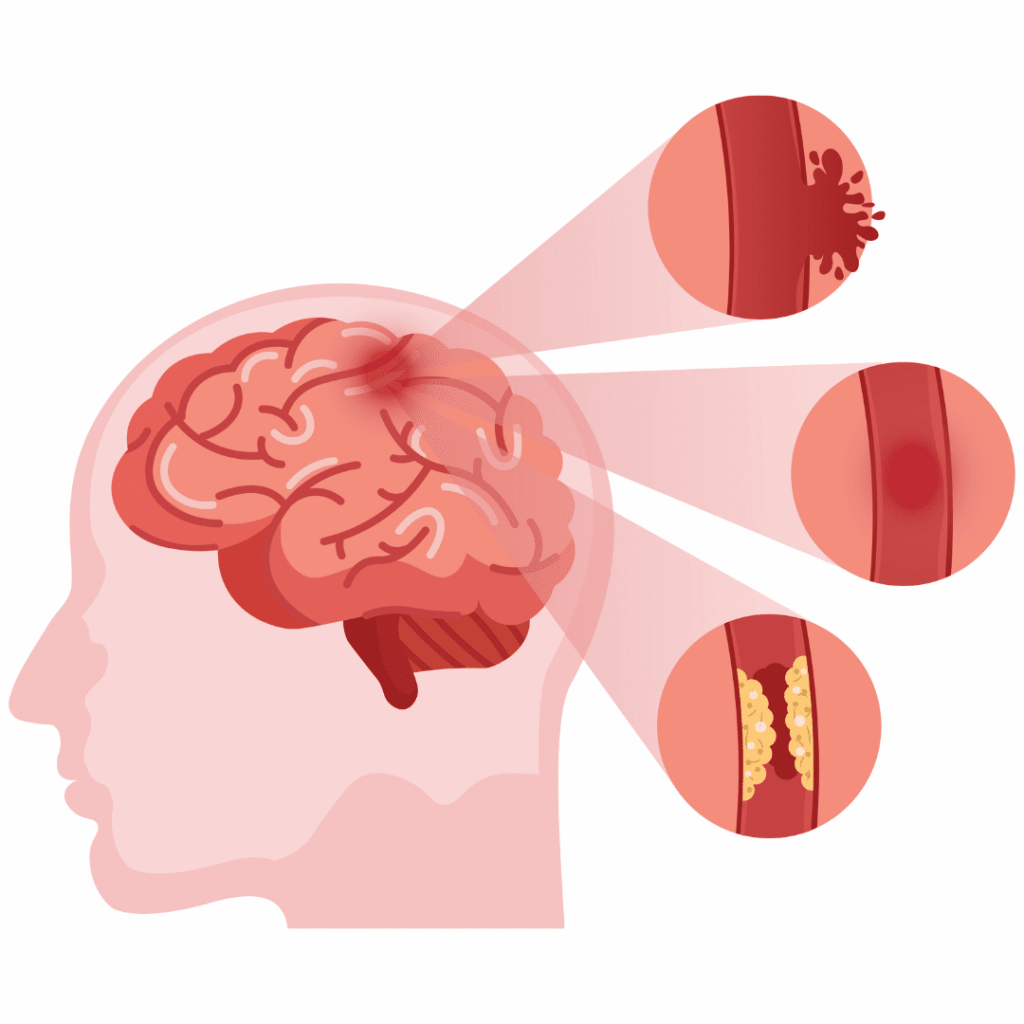
An ischemic stroke occurs when a blood clot blocks a blood vessel in the brain, leading to a lack of blood flow, which can result in brain tissue damage and various neurological deficits.
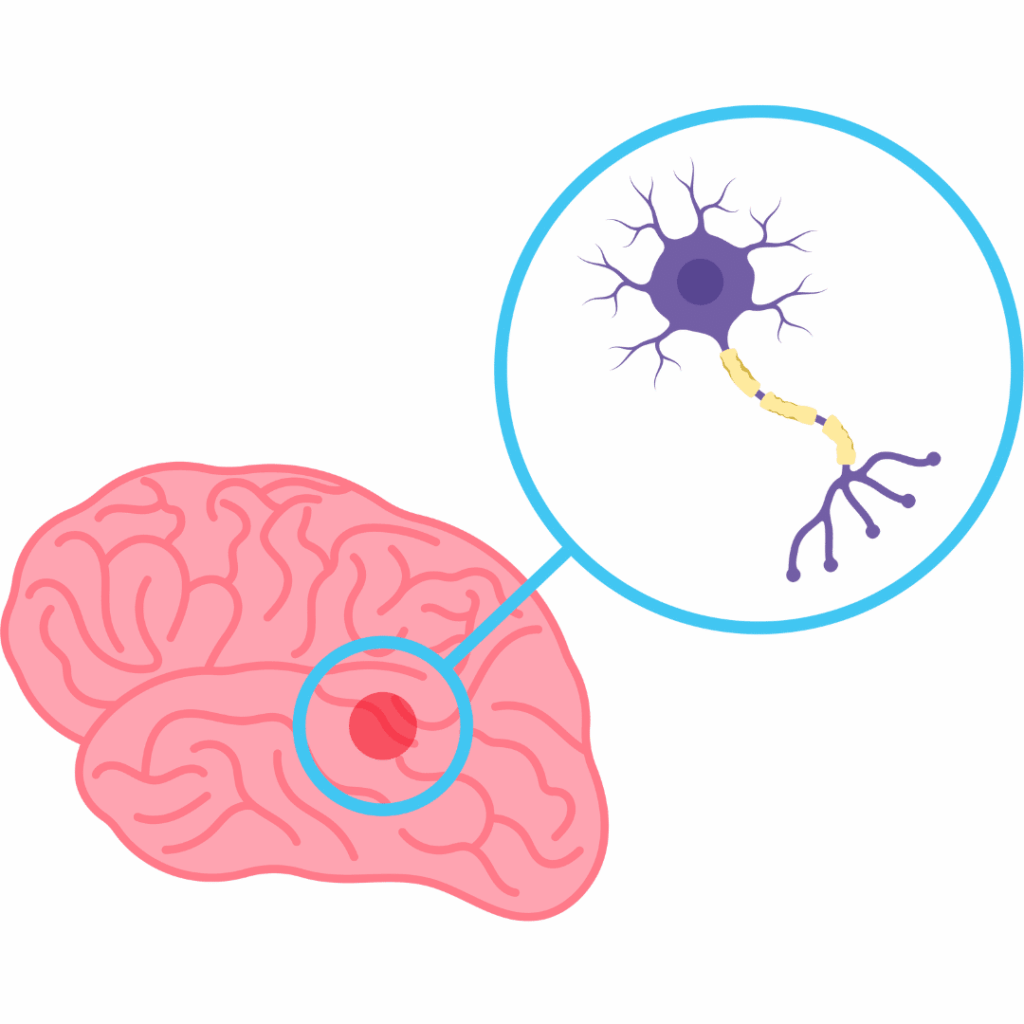
Multiple sclerosis (MS) is an autoimmune condition damaging nerve fibers, causing diverse neurological symptoms due to disrupted communication between the brain and body.
Now Available: NCLEX Flash Notes eBook
FREE to Download 77 Must-Know Nursing Topics For NCLEX Success
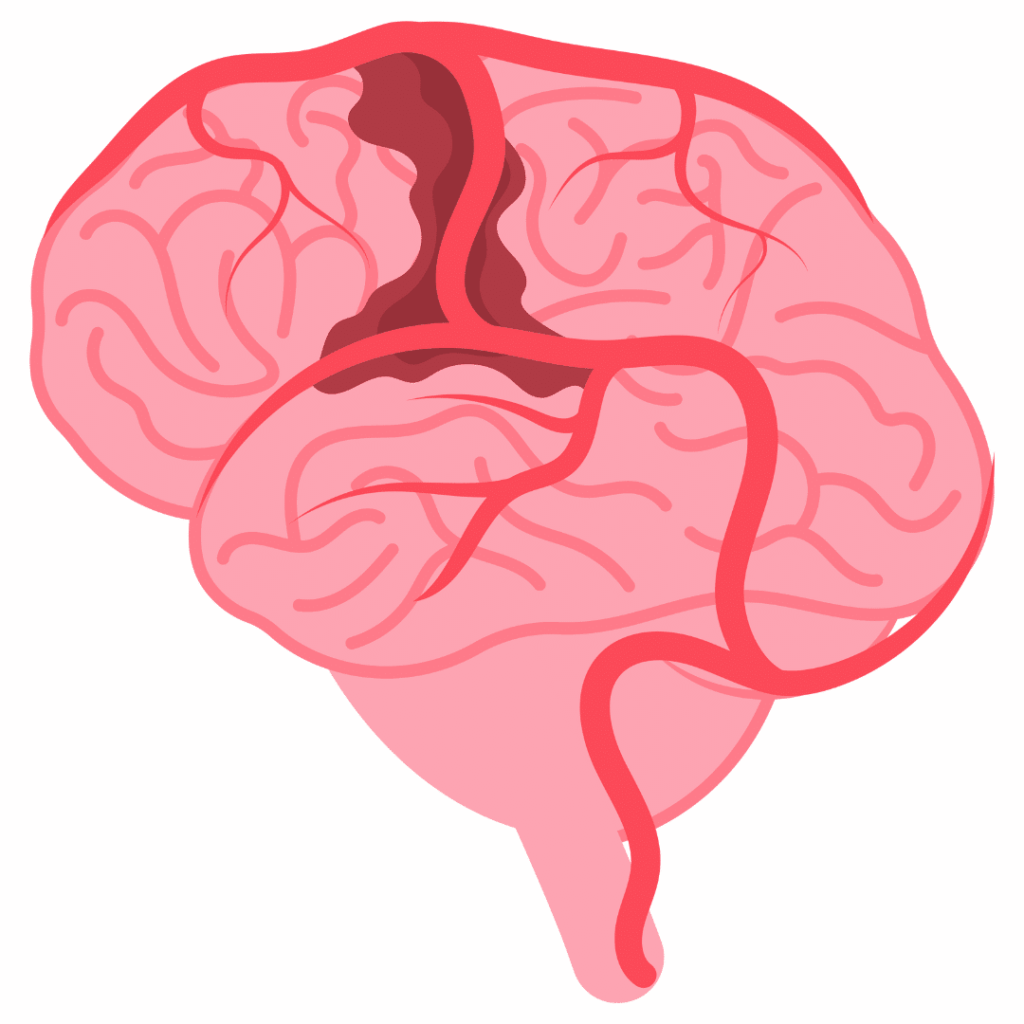
A hemorrhagic stroke occurs when a blood vessel in the brain ruptures, leading to bleeding and potential damage to brain tissue, often causing sudden and severe symptoms.
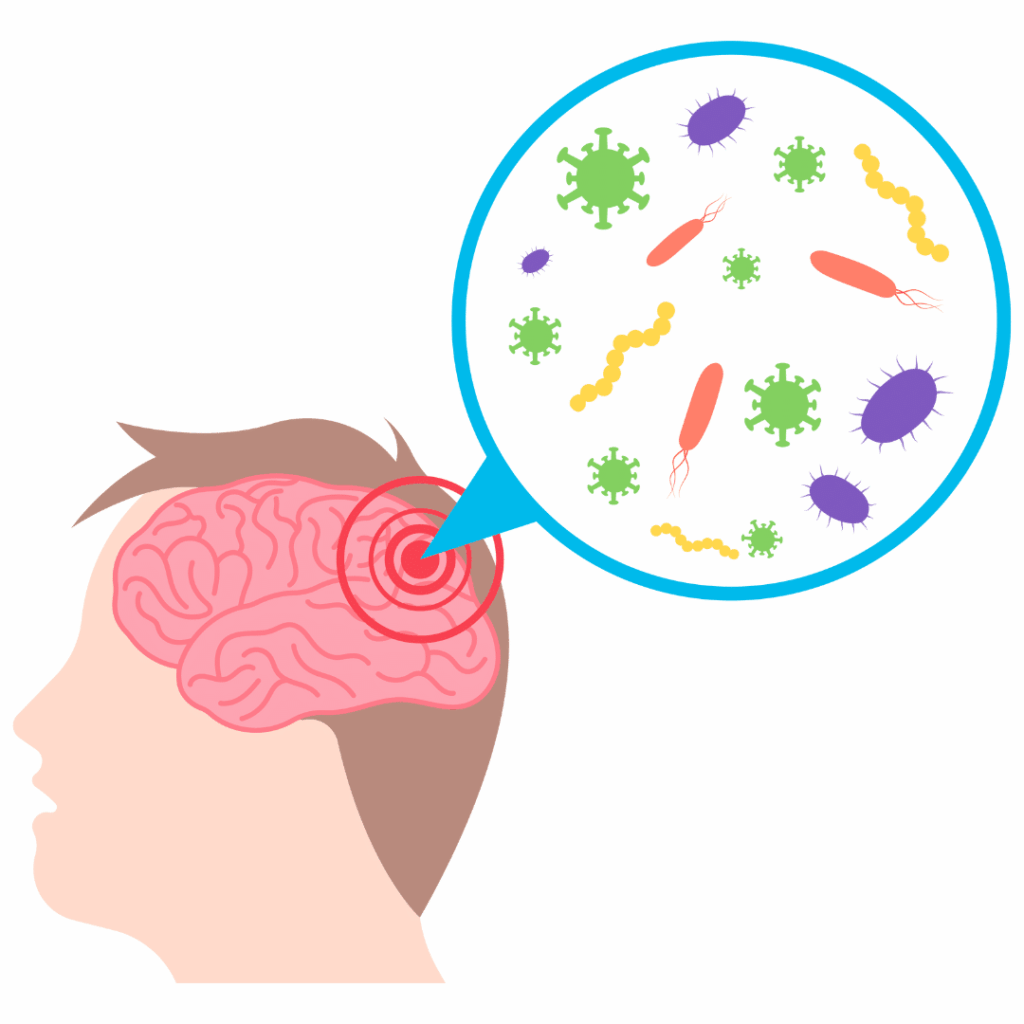
Meningitis is an inflammation of the protective membranes (meninges) surrounding the brain and spinal cord, often caused by infections, resulting in symptoms like fever, headache, and neck stiffness, which can be severe and require urgent medical attention.
A seizure is a sudden, abnormal burst of electrical activity in the brain that can cause various symptoms, including convulsions, altered consciousness, and sensory disturbances.
Intracranial pressure is the pressure inside the skull caused by brain, fluid, and blood, which can affect brain function if it becomes abnormal.
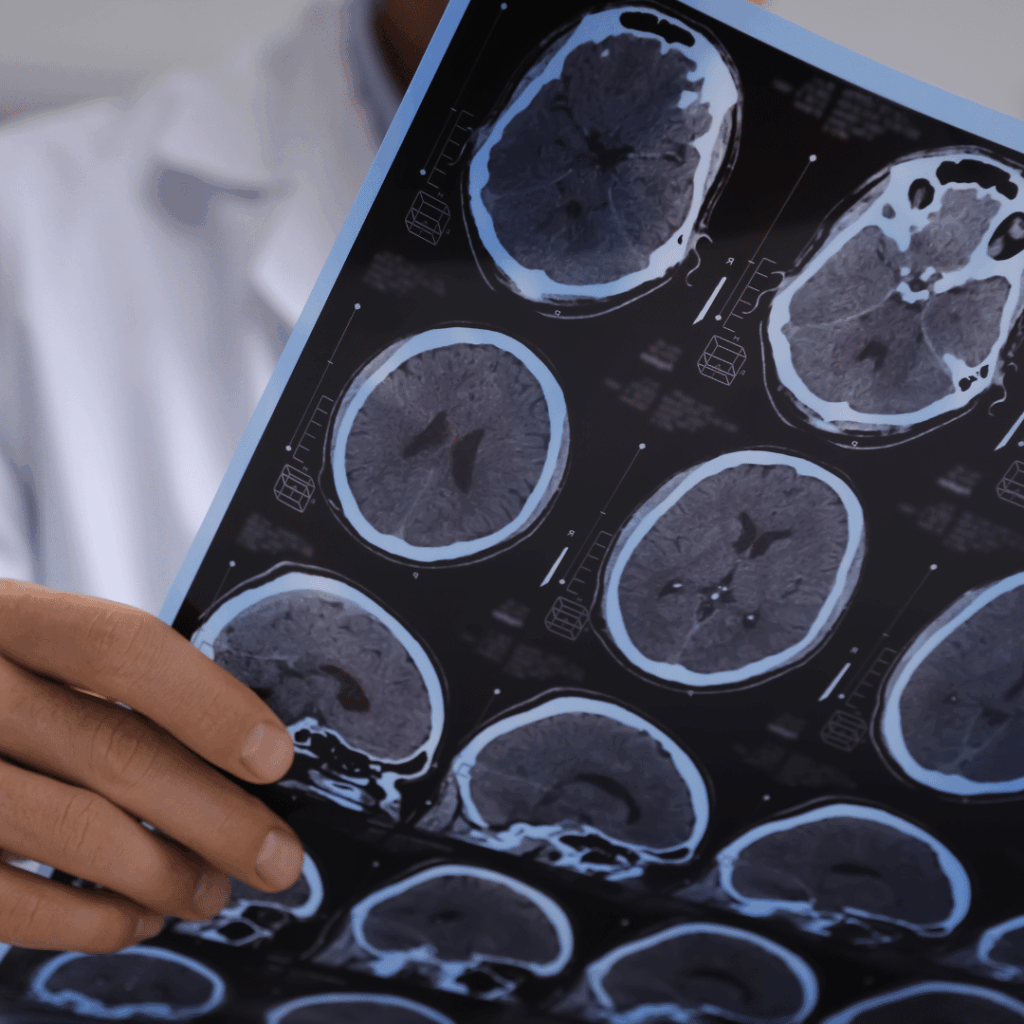
Neuro assessment involves evaluating the nervous system's function through tests and observations to diagnose and monitor conditions affecting the brain, spinal cord, and nerves.
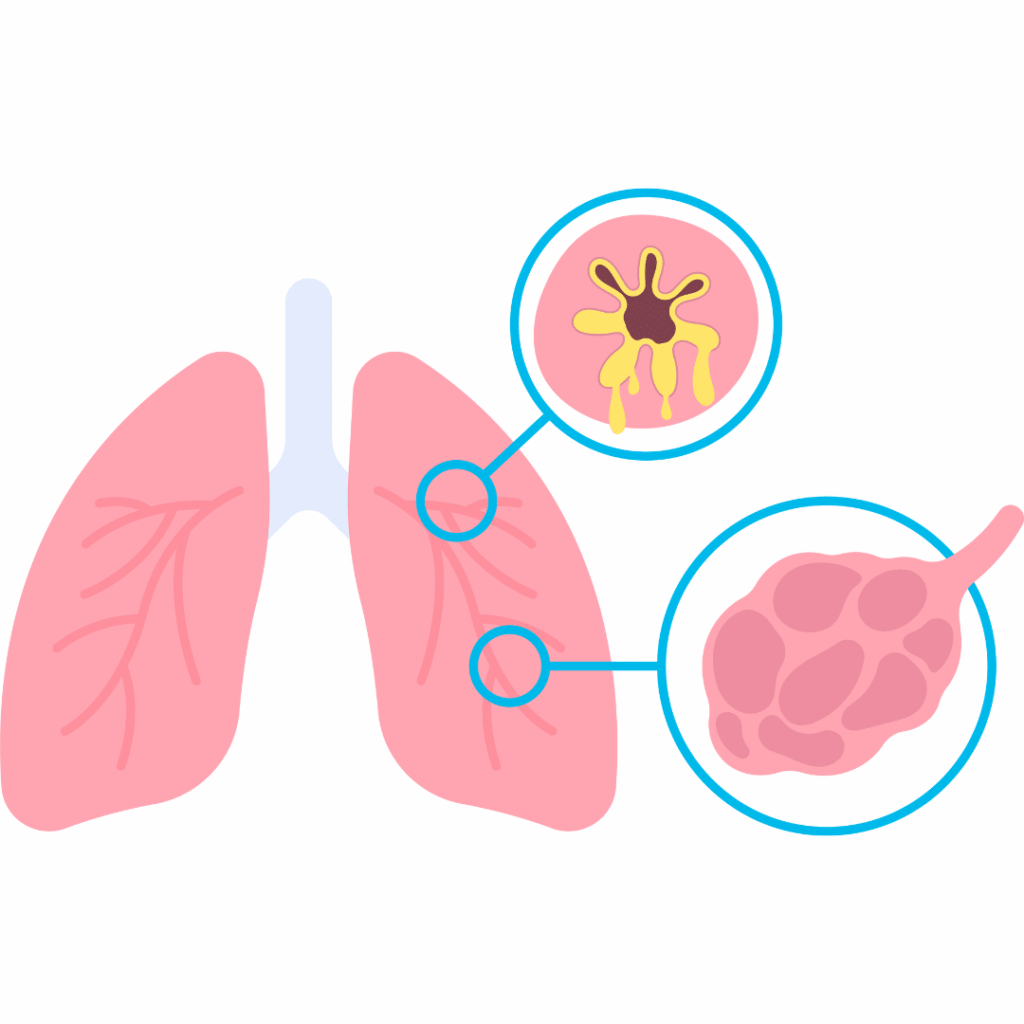
Alveoli atelectasis is a condition where the tiny air sacs (alveoli) in the lungs collapse or fail to expand fully, leading to reduced oxygen exchange and potential respiratory complications.
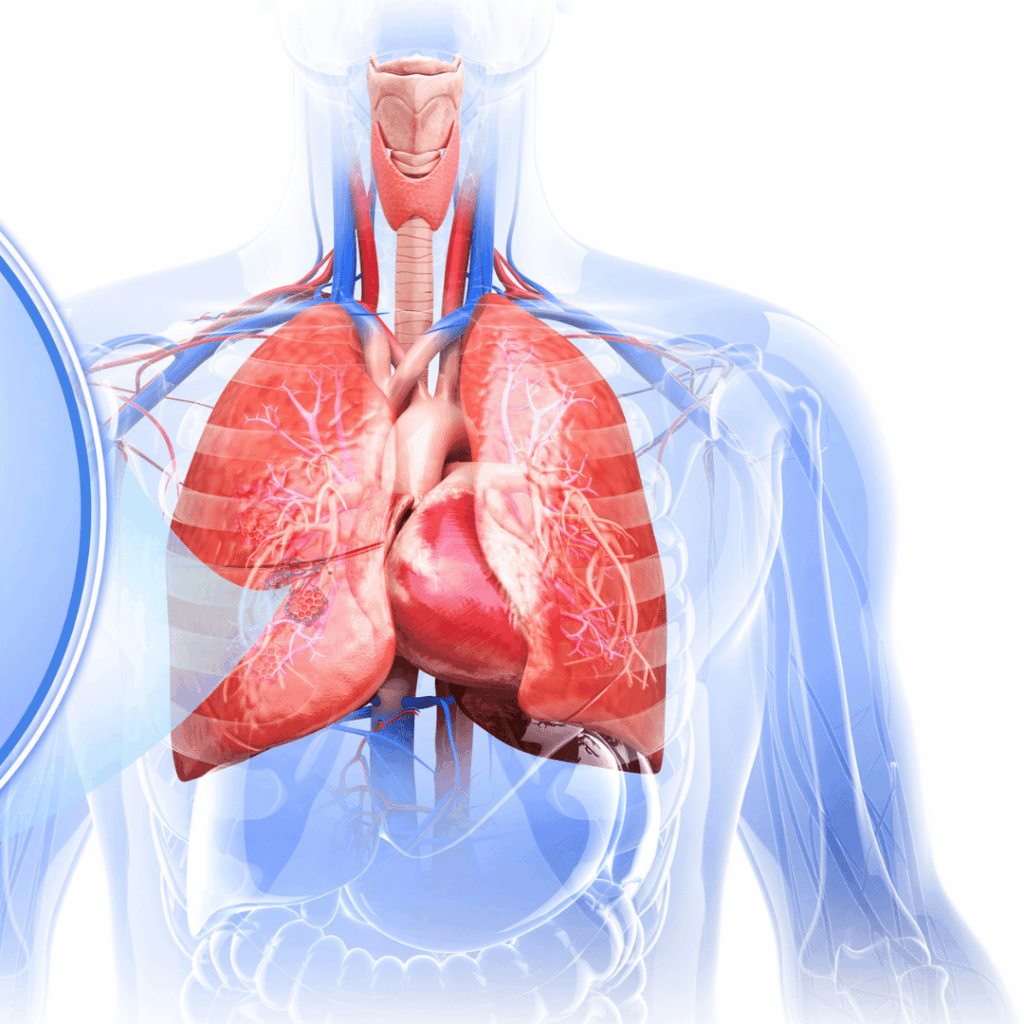
COPD is a chronic lung disease causing breathing difficulties due to narrowed airways and lung damage, often linked to smoking and environmental factors.
Asthma is a chronic lung condition causing breathing problems due to inflamed and narrowed airways, often triggered by allergies or irritants.
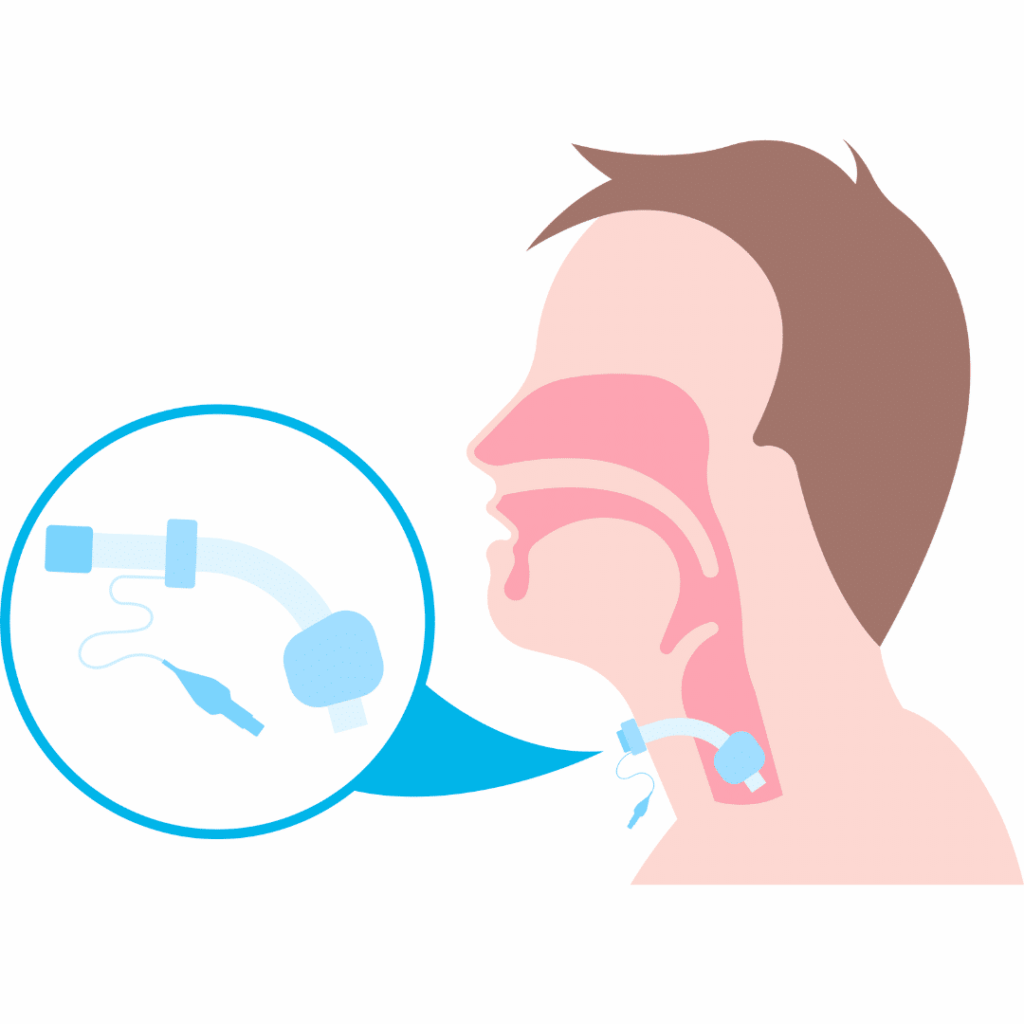
Artificial airways are medical devices used to maintain a clear air passage in the respiratory system, often employed in cases of airway obstruction, mechanical ventilation, or surgical procedures.
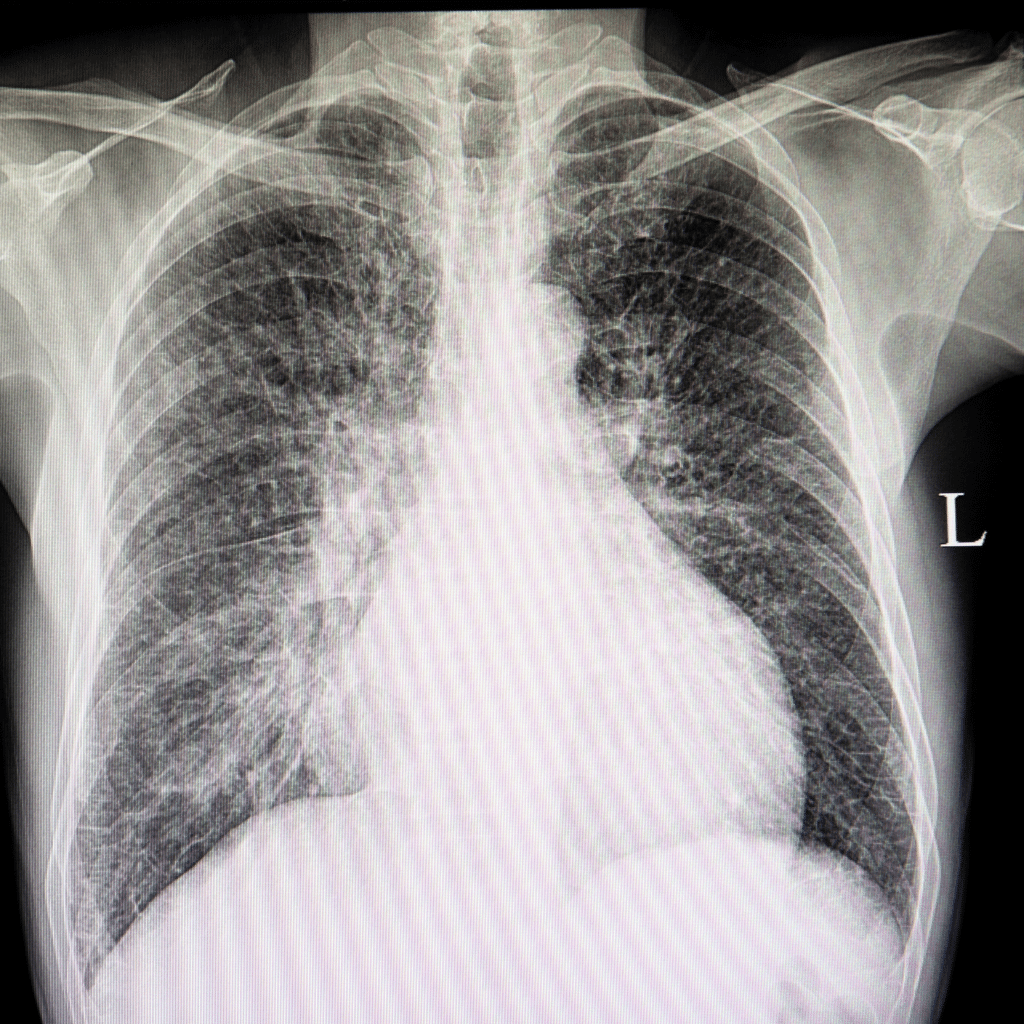
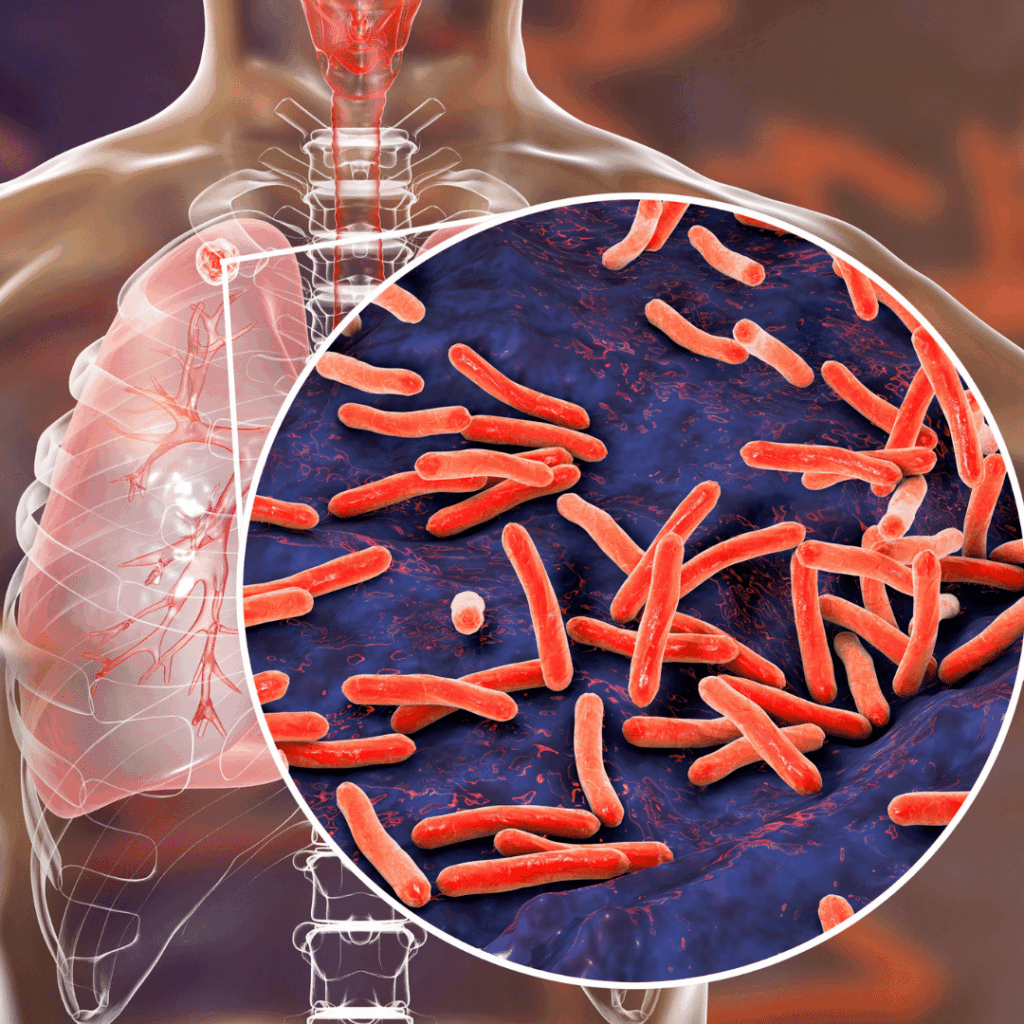
Tuberculosis (TB) is a bacterial infection primarily affecting the lungs, causing symptoms like persistent cough, fever, and weight loss, and can become contagious if not treated effectively.
Now Available: NCLEX Flash Notes eBook
FREE to Download 77 Must-Know Nursing Topics For NCLEX Success
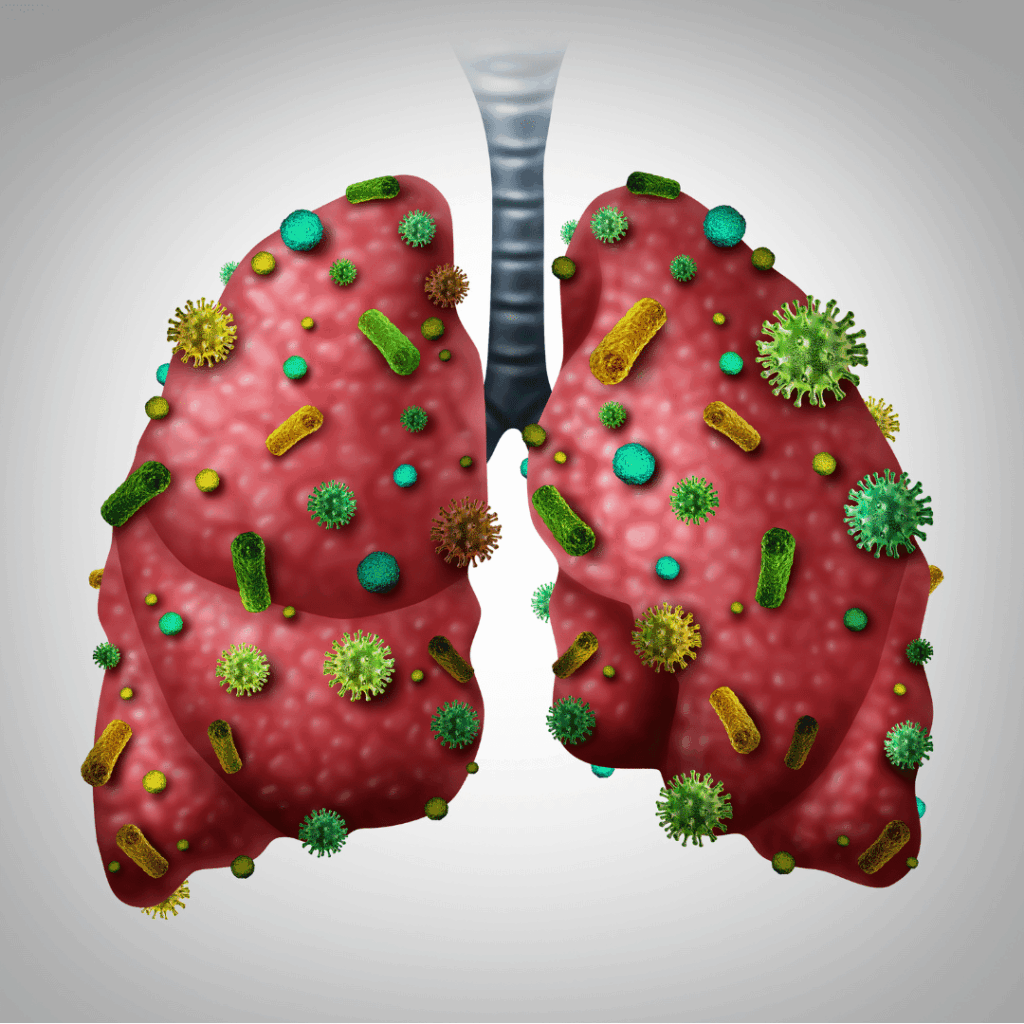
Pneumonia is a lung infection causing fever, cough, and breathing difficulties, ranging from mild to severe.
Influenza, or the flu, is a contagious viral respiratory infection causing symptoms like fever, cough, and body aches, with potential complications especially in vulnerable populations.
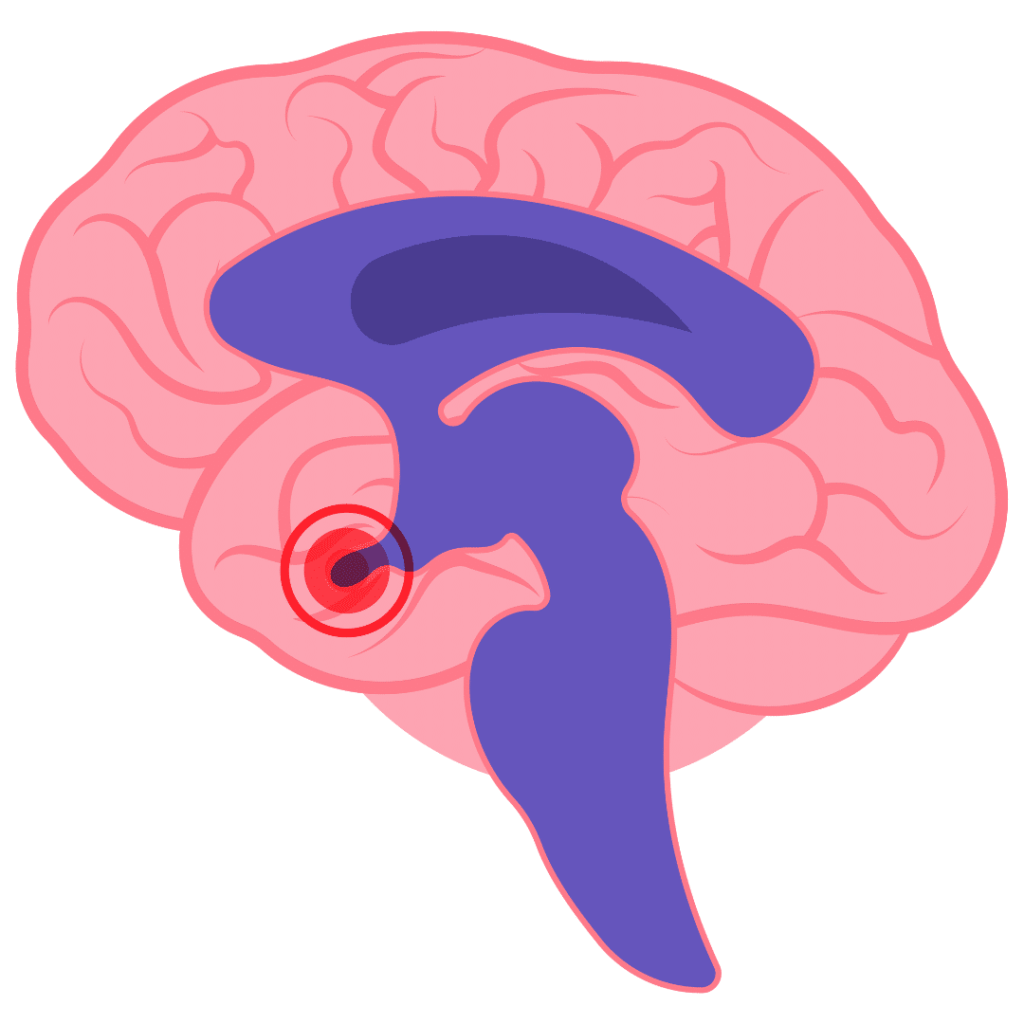
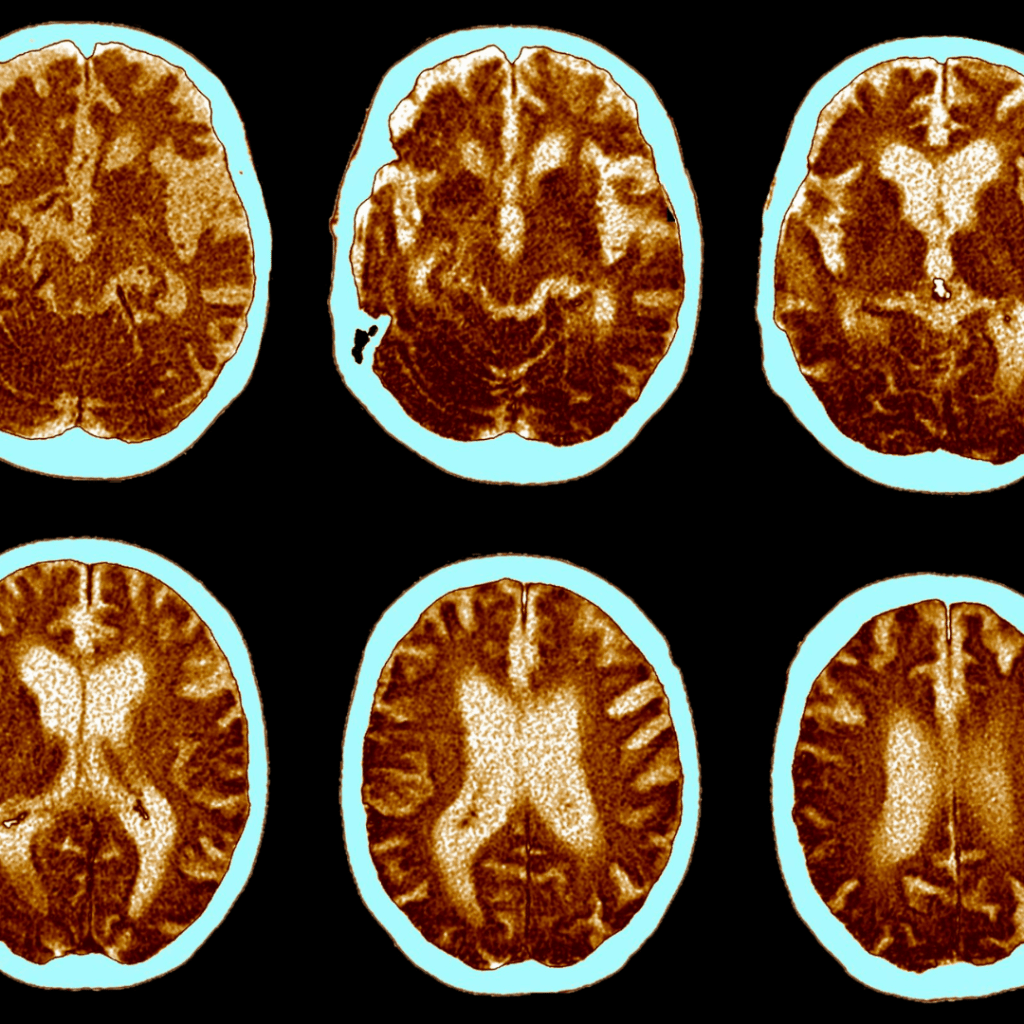
Cognitive impairment refers to difficulties in thinking, memory, or decision-making, often associated with various medical conditions or aging.
Mood disorders are mental health conditions characterized by persistent changes in mood, such as depression or bipolar disorder, affecting emotions, energy levels, and daily functioning.
Depression is a mental health disorder marked by persistent feelings of sadness, loss of interest, and low energy, often accompanied by changes in sleep, appetite, and concentration.
Suicidal behavior involves thoughts or actions aimed at ending one's life, often due to emotional pain, mental health issues, or life difficulties, requiring urgent help.
PTSD, or Post-Traumatic Stress Disorder, is a mental health condition triggered by experiencing or witnessing a traumatic event, leading to symptoms like flashbacks, anxiety, and avoidance behavior.
Now Available: NCLEX Flash Notes eBook
FREE to Download 77 Must-Know Nursing Topics For NCLEX Success
Anxiety is a mental health condition characterized by excessive worry, restlessness, and heightened stress responses, potentially affecting daily life and well-being.
Hemophilia is a genetic disorder that impairs the blood's ability to clot properly, leading to prolonged bleeding and increased susceptibility to bruising and bleeding events.
Congenital heart defects are structural abnormalities present at birth that affect the heart's function and blood flow, requiring medical attention to manage symptoms and potential complications.
Gestational diabetes is a form of diabetes that develops during pregnancy, causing high blood sugar levels and requiring careful monitoring and management to ensure the health of both the mother and the baby.
Preeclampsia is a pregnancy-related condition characterized by high blood pressure and damage to organs, usually the liver and kidneys, which can be harmful to both the mother and the baby if left untreated.
Infections are illnesses caused by microorganisms like bacteria, viruses, or fungi entering the body and triggering a response, often resulting in symptoms such as fever, fatigue, and inflammation.
Now Available: NCLEX Flash Notes eBook
FREE to Download 77 Must-Know Nursing Topics For NCLEX Success
A newborn physical exam is a thorough assessment of a baby's health and development shortly after birth, involving checks for vital signs, reflexes, organ function, and physical features to ensure their well-being.
Chorioamnionitis is an infection of the fetal membranes and amniotic fluid during pregnancy, often caused by bacteria, which can lead to complications for both the mother and the baby, requiring medical attention.
Rated 5 out of 5
"Would suggest to all nursing students . . . Guaranteed to ease the stress!"
~Jordan
What makes NURSING.com NCLEX Flash Notes unique?
77 Clear and Concise Pages
Take the guesswork out of NCLEX prep and focus your time on exactly what you MUST know
100% Free
No membership, No contract, No $$, just an email and unlock your rapid NCLEX review
16 Nursing Cheat Sheets
BONUS 16 full color nursing cheat sheets
Last Minute Review
Ideal for last-minute review, its bullet-point format ensures easy reading and quick retention.