Skip to content
nursing-com-website-logo
  • Academy
    • Courses
    • Features
    • Reviews
    • Compare Us
  • Products
    • Academy
    • Certifications
    • Private Tutoring
    • Nursing Gear
  • How It Works
  • Academy
    • Courses
    • Features
    • Reviews
    • Compare Us
  • Products
    • Academy
    • Certifications
    • Private Tutoring
    • Nursing Gear
  • How It Works
Start Free Trial
Login
  • Learn
    • Courses
    • Features
    • Reviews
    • Compare Us
  • Products
    • Academy
    • Certifications
    • Private Tutoring
    • Nursing Gear
  • Pass Rate
  • Login
  • Start Free Trial

4 Simple Changes That Can Create The Perfect Nursing Study Environment

  • March 31, 2026
Struggling to stay focused while studying for nursing school? Your environment might be the problem. Learn four simple, high-impact ways to optimize your study setting so you can retain more information, reduce distractions, and make every study session actually count.

4 Simple Changes That Can Create The Perfect Nursing Study Environment

Let’s be honest. Most nursing students don’t fail because they don’t care. They fail because their study time isn’t effective.

You sit down. You open your notes. You try to focus. And then somehow, 30 minutes later, you’ve checked your phone six times, reorganized your pens, and maybe read two paragraphs.

Sound familiar?

Here’s the truth. It’s not always about studying harder. It’s about studying smarter. And one of the most overlooked parts of smart studying is your environment.

Your study setting can either support your brain or constantly fight against it.

In this post, we’re breaking down four simple but powerful changes you can make right now to create a study environment that actually helps you learn, remember, and perform better on exams and in clinicals.

Why Your Study Environment Matters More Than You Think

Before we jump into the tips, let’s get one thing clear.

Your brain is incredibly sensitive to distractions.

Every sound, movement, temperature shift, or cluttered surface pulls a little bit of your attention away. And in nursing school, where you’re trying to understand complex concepts like fluid balance, pharmacology, and pathophysiology, even small distractions add up fast.

This isn’t just about comfort. This is about cognitive load.

When your brain is busy filtering out distractions, it has less energy to actually learn.

So if you’ve ever felt like:

  • “I studied for hours but don’t remember anything”
  • “I can’t stay focused”
  • “I keep rereading the same thing”

Your environment might be the hidden problem.

Let’s fix that.

Nursing school doesn't have to be so hard!

Go from discouraged and stressed to motivated and passionate

Start Your Free Trial

Tip #1: Make It Quiet (Your Brain Needs Silence to Learn)

Focused nursing student studying practice questionsThis one sounds obvious, but most students underestimate how powerful noise is.

Even low-level background noise can reduce your ability to concentrate and retain information.

That means:

  • Conversations nearby
  • TV in the background
  • Music with lyrics
  • Notifications buzzing

All of it pulls your attention away, even if you think you’re ignoring it.

What You Should Do Instead

Create a study space where you can control the noise as much as possible.

Good options include:

  • A quiet room at home
  • Library study areas
  • Designated quiet zones on campus

If silence isn’t possible, use tools that minimize distraction:

  • Noise-canceling headphones
  • White noise or ambient sound (no lyrics)

Why This Matters for Nursing Students

Nursing exams require deep understanding, not surface memorization.

If you’re trying to learn things like prioritization or clinical judgment, you need full focus. Partial attention leads to shallow learning, and shallow learning doesn’t hold up on exams like NCLEX-style questions.

Bottom line: If your ears are distracted, your brain is distracted.

Tip #2: Have All Your Necessities Ready (Protect Your Study Flow)

This is one of the most underrated mistakes students make.

You finally get into a good study rhythm, and then…

  • You get thirsty
  • You’re hungry
  • You need to use the bathroom
  • You forgot a charger
  • You need a different textbook

And just like that, your focus is gone.

What You Should Do Instead

Before you start studying, do a quick setup check.

Make sure you have:

  • All required materials (books, notes, laptop)
  • Water
  • Light snacks
  • Chargers
  • Easy bathroom access

Think of it like prepping for a shift. You wouldn’t walk into a patient room unprepared. Treat your study time the same way.

Learn Additional Study Tips

Why This Matters for Nursing Students

Studying effectively requires something called “deep work.” That’s when your brain is fully locked in and processing information at a high level.

Every interruption resets that process.

And here’s the kicker. It can take 15 to 25 minutes to get back into that focused state.

So those “quick breaks” to grab a snack or check something? They’re costing you way more than you think.

Bottom line: Set up everything you need before you start so your focus stays uninterrupted.

Tip #3: Keep It Clean (Clutter = Mental Distraction)

Look at your study space right now.

Be honest.

Is it clean and organized, or is it covered in random papers, old coffee cups, and things you don’t actually need?

A messy space creates visual noise. And just like actual noise, it pulls your attention away from what matters.

What You Should Do Instead

Before you start studying:

  • Clear off your desk
  • Keep only essential items visible
  • Organize your materials
  • Remove anything unrelated to studying

You don’t need a Pinterest-perfect desk. You just need a space that doesn’t compete for your attention.

Why This Matters for Nursing Students

When you’re studying complex topics like electrolytes or cardiac rhythms, your brain is already working hard.

Adding visual clutter increases cognitive load, making it harder to process and retain information.

A clean space helps your brain stay focused on one thing: learning.

Bottom line: If your eyes are distracted, your brain is distracted.

Tip #4: Control the Temperature (Comfort Impacts Focus)

This is the one most students don’t think about until it becomes a problem.

If you’re too hot or too cold, your body shifts into “fix the discomfort” mode instead of “learn and focus” mode.

What You Should Do Instead

Find a temperature that keeps you comfortable but alert.

For most people, a slightly cool environment works best.

  • Around 68 to 72°F is ideal for focus
  • Bring layers like a hoodie or sweater
  • Adjust as needed based on your preference

If you’re studying somewhere like a library or campus building where you can’t control the temperature, plan ahead.

Why This Matters for Nursing Students

Discomfort is distracting.

If you’re constantly shifting, fidgeting, or thinking about how cold or hot you are, you’re not fully focused on your material.

And again, nursing school requires deep understanding, not passive reading.

Bottom line: If your body is uncomfortable, your brain won’t perform.

Putting It All Together: Your Ideal Study Setup

Let’s combine everything into a quick checklist you can use before every study session.

Your Nursing Study Environment Checklist

  • Quiet space with minimal distractions
  • All materials, water, and snacks ready
  • Clean and organized desk
  • Comfortable temperature with backup layers

If you can check all four of these boxes, you’re setting yourself up for a high-quality study session.

Not just longer studying, but better studying.

Get Additional Test Taking Tips

Common Mistakes Nursing Students Make

Even with these tips, students often fall into the same traps.

Let’s call them out so you can avoid them.

Studying in “Convenient” Instead of “Effective” Spaces

Just because it’s easy doesn’t mean it’s good.

Studying on your bed, in front of the TV, or in a noisy coffee shop might feel comfortable, but it’s not helping your brain learn.

Multitasking

Trying to study while texting, watching videos, or scrolling is not multitasking. It’s task-switching, and it destroys focus.

Ignoring Small Distractions

Students often think, “This little thing won’t matter.”

But dozens of small distractions add up to major lost focus.

Final Thoughts: Small Changes, Big Results

Here’s the good news.

You don’t need more hours in the day.

You don’t need to completely change how you study.

You just need to improve where you study.

These four simple changes can dramatically increase your focus, retention, and overall efficiency.

And in nursing school, that’s everything.

Because it’s not about how long you study.

It’s about how well you study.

Best Nursing Gear

Nurse Loading Shirt — Motivational Tee for Future Nurses
  • Quick View
  • Wishlist
  • Select options This product has multiple variants. The options may be chosen on the product page
Apparel/Clothing

Nurse Loading Shirt — Motivational Tee for Future Nurses

$19.99
Happy Nursing Tee for Nursing Students & Nurses
  • Quick View
  • Wishlist
  • Select options This product has multiple variants. The options may be chosen on the product page
Apparel/Clothing

Happy Nursing Tee for Nursing Students & Nurses

$19.99
ICU Nurse Sweatshirt — Cozy Unisex Nurse Crewneck
  • Quick View
  • Wishlist
  • Select options This product has multiple variants. The options may be chosen on the product page
Apparel/Clothing

ICU Nurse Sweatshirt — Cozy Unisex Nurse Crewneck

$33.00 – $37.00Price range: $33.00 through $37.00
Visit Nursing Shop

Frequently Asked Questions

Why is a quiet study environment so important for nursing students?
A quiet environment helps reduce cognitive overload, which is critical when learning complex nursing concepts. Even low-level noise can interrupt concentration and reduce memory retention. Nursing exams often test critical thinking rather than simple recall, so deep focus is essential. Studying in silence or with minimal background noise allows your brain to fully engage with the material. The key takeaway is that eliminating noise improves both understanding and long-term retention.
Can I study effectively with music?
It depends on the type of music. Music with lyrics can compete with your brain’s language processing, making it harder to focus. Instrumental music or ambient sounds may be helpful for some students, especially if complete silence feels uncomfortable. The important thing is to monitor your focus. If you find yourself distracted or rereading material, the music may be hurting more than helping. Choose consistency and clarity over preference.
What should I include in my study setup before starting?
Your setup should include all materials you’ll need for your session such as textbooks, notes, and devices. You should also have water, snacks, and easy access to a restroom. This preparation prevents interruptions that break concentration. Once your focus is disrupted, it can take significant time to regain it. The takeaway is that preparation protects your study momentum and makes your sessions more productive.
Does a clean study space really make a difference?
Yes, it does. A cluttered environment creates visual distractions that compete for your attention. This increases cognitive load and reduces your ability to process new information effectively. Keeping your space clean and organized allows your brain to focus entirely on learning. Even small improvements in organization can lead to better concentration. The key takeaway is that a clean space supports a clear mind.
What is the best temperature for studying?
Most people focus best in a slightly cool environment, typically between 68 and 72 degrees Fahrenheit. If it’s too warm, you may feel sleepy. If it’s too cold, you may feel uncomfortable and distracted. Since you may not always control the temperature, bringing layers like a hoodie can help you adapt. The takeaway is that physical comfort directly impacts mental performance.
Is studying at home or in a library better?
It depends on your ability to control distractions. Libraries often provide quieter environments with fewer interruptions, making them ideal for deep study. However, a well-prepared space at home can be just as effective if you can minimize noise and distractions. The best environment is one where you can consistently focus. The key takeaway is that control over your environment matters more than location.
How do interruptions affect studying?
Interruptions break your focus and force your brain to reset. After a disruption, it can take 15 to 25 minutes to return to a deep focus state. Frequent interruptions can significantly reduce the effectiveness of your study time. This leads to longer study sessions with less retention. The takeaway is that minimizing interruptions is essential for efficient learning.
Can I study in bed or on the couch?
Studying in bed or on the couch often leads to reduced focus and increased fatigue. These spaces are associated with relaxation, not learning, which can confuse your brain and decrease productivity. Sitting at a desk or table helps signal to your brain that it’s time to focus. The takeaway is that your study posture and environment influence your mental state.

Need More . . .

NCLEX Flash Notes:
77
MUST-KNOW Topics for NCLEX Success

Get Your Copy For FREE

Keep Learning

Is It Okay to Use AI in Nursing School? Here’s What You Need to Know

April 2, 2026

Is it okay to use AI in nursing school? Yes, if you use the right source. Learn how AI can support your studies and why tools built specifically for nursing, like Nurse Jon AI, make all the difference.

Read More
drawing included with notes

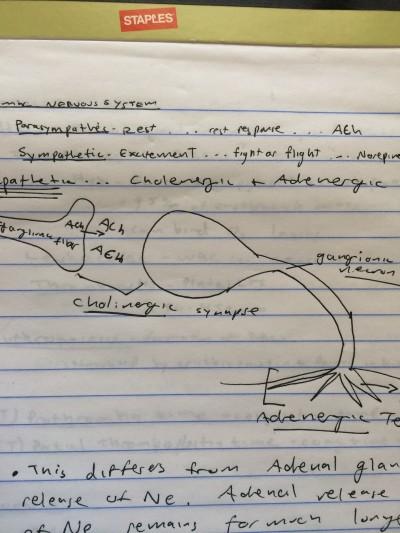
How Drawing Helps Nursing Students Understand and Remember Hard Concepts

March 24, 2026

Drawing is one of the most underrated study strategies in nursing school. When you turn complex topics into simple visuals, you stop memorizing random facts and start seeing how concepts connect. Here is how nursing students can use drawing, color, and mind maps to study smarter for exams, clinicals, and NCLEX prep.

Read More
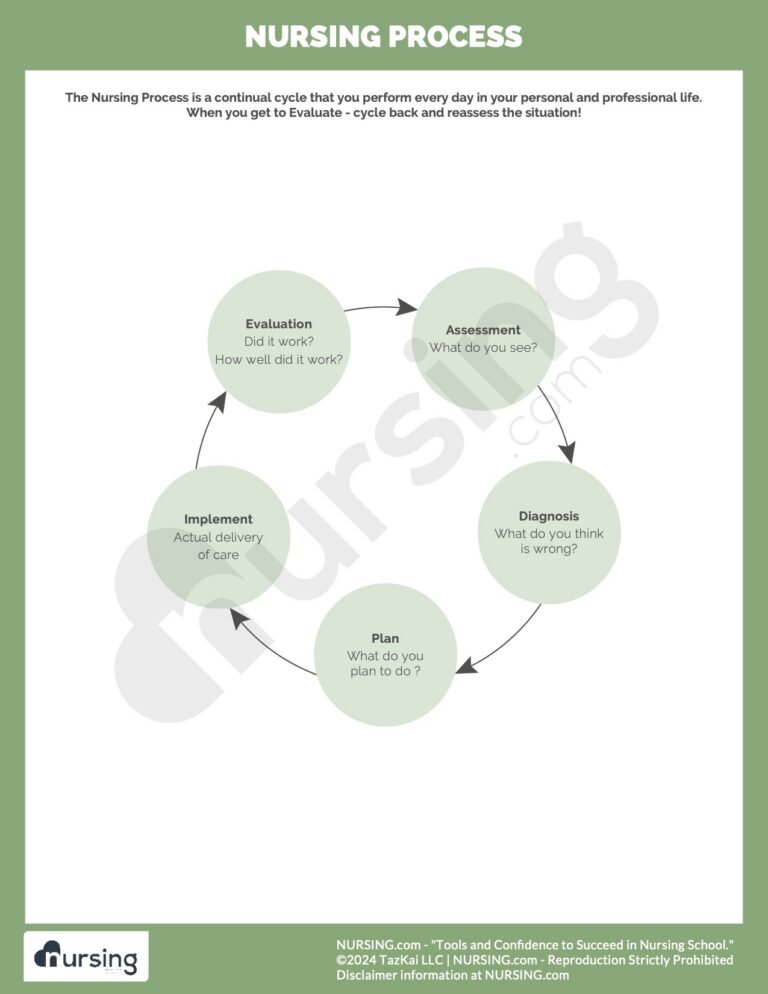
The nursing process: ADPIE - Assess, Diagnose, Plan, Implement, Evaluate

How ADPIE Helps You Answer NCLEX Questions

March 19, 2026

The nursing process is one of the most important frameworks in nursing school and on the NCLEX. Learn how the ADPIE method helps you think like a nurse, avoid test traps, and confidently answer “what should the nurse do first” questions.

Read More

NURSING.com Products

NURSING Academy

SIMCLEX

Certifications

Books

Flash Notes

Survival Packages

Nursing Gear

For Nurse Educators

Enterprise Solutions

Free Educator Account

Happy Nurse Educator Podcast

Lesson Plan Templates

Schedule Free Demo

Free Resources

NCLEX Flash Notes

Cheatsheets

Podcast

Blog

Top Lessons

Care Plans

Preload vs Afterload

Respiratory Acidosis

Heart Sounds

Company

About

Compare Us

Contact

Reviews

Pass Rates

nursing.com site logo white
Facebook Instagram Pinterest Youtube Tiktok Linkedin

At NURSING.com, we believe Black Lives Matter ✊🏿, No Human Is Illegal 🤝, Love Is Love 🏳️‍🌈, Women`s Rights Are Human Rights 👩, Science Is Real 🔬, Water Is Life 🌊, Injustice Anywhere Is A Threat To Justice Everywhere ☮️.

© 2012-2025 NURSING.com All Rights Reserved.

Medical Disclaimer |  Terms of Use | Privacy Policy
✕