

FREE CARDIAC NCLEX® PRACTICE QUESTIONS
Take Free NCLEX Nursing Practice Questions From NURSING.com on cardiac Nursing Topics to Get You Ready for the NCLEX® Exam, Just Select A Topic Below. All questions written by trained nurse educators.

Cardiac Anatomy NCLEX® Questions
Acute Coronary Syndromes NCLEX® Questions
Heart Failure (CHF) NCLEX® Questions
Cardiovascular Disorders NCLEX® Questions
Cardiovascular Disorders NCLEX® Questions (Continued)
Shock (Cardiac Related) NCLEX® Questions
Want 6,000+ NCLEX® Style Practice Questions?
Join NURSING.com today for thousands of practice questions and NCLEX® simulation
💬 Reviews for NURSING.com
(from students like you)




CARDIOVASCULAR NCLEX QUESTIONS
NCLEX Questions On The Cardiovascular System: can be very Challenging to answer . . .
. . . Because It Includes Topics Like
- Dysrhythmias
- Pediatrics
- Nurses Labs
- Heart Failure
- Coronary Artery Disease
- and more . . .
5 Tips for answering Cardiovascular (Cardiac) NCLEX questions
1. Focus on Cardiovascular Specifics:
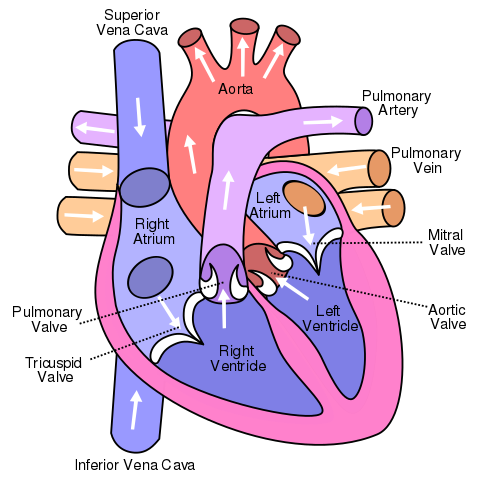
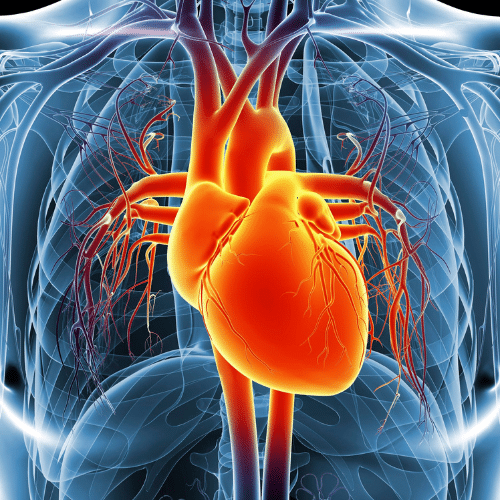
When dealing with NCLEX practice questions centered on the cardiovascular system, pay attention to the unique aspects of cardiac care. This may involve understanding heart anatomy, cardiac rhythms, and common cardiovascular conditions.
Rationale: Cardiovascular nursing requires specialized knowledge. Being well-versed in cardiac concepts will help you address these questions with confidence.
2. Understand the Physiology:
Comprehend the physiological processes involved in the cardiovascular system. This includes how the heart pumps blood, the role of valves, and the circulation of oxygenated and deoxygenated blood.
Rationale: A strong grasp of cardiovascular physiology is essential for interpreting patient symptoms and responding appropriately in clinical scenarios.
3. Evaluate Signs and Symptoms:
Assess the patient's signs and symptoms meticulously. In cardiovascular questions, consider manifestations like chest pain, dyspnea, edema, abnormal heart sounds, and changes in blood pressure.
Rationale: Recognizing and interpreting cardiovascular symptoms accurately is critical for timely intervention and patient care.
4. Know Medications and Interventions:
Be knowledgeable about cardiovascular medications and interventions, such as anticoagulants, antiarrhythmics, and cardiac monitoring. Understand their indications, contraindications, and potential side effects.
Rationale: Administering medications and interventions safely is a vital part of cardiovascular nursing. Being well-informed helps ensure the best patient outcomes.
5. Practice ECG Interpretation:
Practice interpreting electrocardiograms (ECGs) regularly. ECGs are fundamental in cardiovascular assessment and diagnosis. Familiarize yourself with common arrhythmias and ECG waveforms.
Rationale: ECG interpretation is a crucial skill for nurses caring for patients with cardiac issues. Proficiency in this area enhances your ability to identify and respond to cardiac abnormalities promptly.
Build a strong foundation
NCLEX practice questions related to the cardiovascular system, it's essential to have a strong foundation in cardiac knowledge, including anatomy, physiology, assessment, and interventions.
Apply Critical Thinking
Remember to apply critical thinking skills and prioritize patient safety while considering the unique demands of cardiovascular nursing.
As a nursing student, embarking on your academic journey, and the term "cardiac NCLEX questions" might initially seem daunting. But here's a little secret – once you become comfortable with tackling these questions, you might just find yourself falling in love with the intricate workings of the heart.
Understanding cardiac physiology and pathophysiology isn't just about passing exams; it's about becoming a well-rounded, confident nursing professional. The heart, with its chambers, valves, and electrical pathways, is like a well-choreographed dance, ensuring oxygen-rich blood reaches the cells and tissues that need it most. This dance is the foundation of nursing, impacting various disease processes.
As you continue your nursing journey, you'll realize that the heart's knowledge becomes your compass. Whether you're assessing a patient with chest pain in the emergency room or monitoring someone with heart failure in a long-term care facility, your understanding of cardiac principles will guide you. It's like having a reliable North Star to navigate through the vast sea of healthcare scenarios.
Now, back to those cardiac NCLEX questions. They're not just hurdles to clear but opportunities to deepen your understanding of this fascinating realm. As you tackle them, you'll notice patterns, and you'll start to anticipate what the questions might ask. It's like solving puzzles; the more you practice, the better you become at piecing together the cardiac puzzle.
But remember, it's not just about facts and figures; it's about learning to provide care to your patients in a confident and caring manner. Each cardiac question you answer correctly brings you one step closer to being that nurse who can spot subtle changes in a patient's ECG, identify the onset of arrhythmias, or make swift decisions during cardiac emergencies.
So, embrace the world of cardiac nursing with open arms. Don't just aim to become comfortable with cardiac NCLEX questions; aim to thrive in this domain. You'll soon discover that the heart's secrets are waiting to be unraveled, and with each question you conquer, you're one step closer to becoming the skilled, compassionate nurse you aspire to be. Let's journey onward and explore the wonders of the cardiovascular system together!